

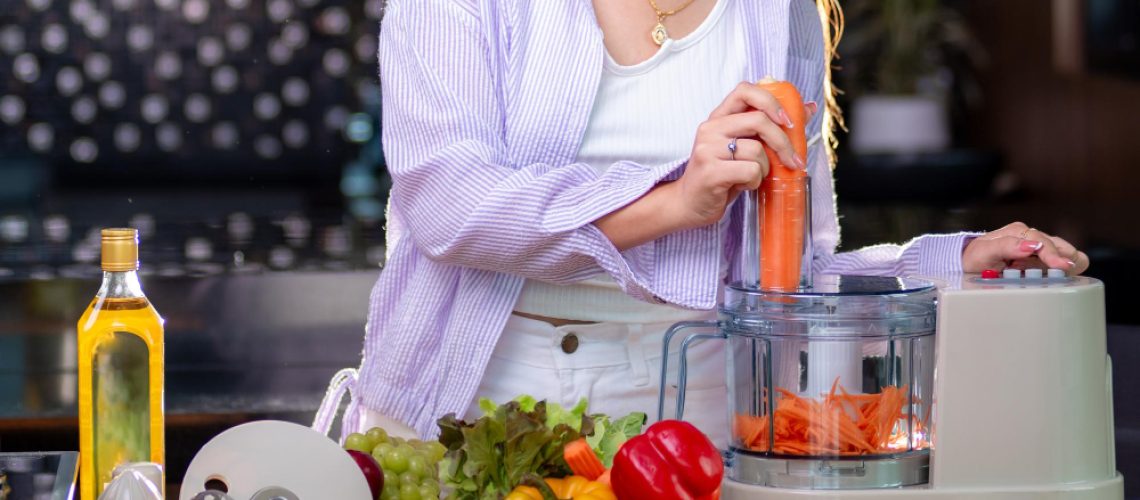
A small kitchen can become difficult to manage when several people share the space, storage is limited, or cooking happens several times a day.
However, a small kitchen does not have to slow you down. With the right systems, you can organize your space so that cooking, cleaning, and food preparation become quicker and less stressful.
The secret is not simply buying more storage containers or kitchen gadgets. Instead, focus on creating practical systems that reduce unnecessary movement, keep important items within reach, and make common cooking tasks easier.
1. Create Zones for Different Kitchen Activities
One of the easiest ways to make a small kitchen more efficient is to divide it into functional zones. Even if your kitchen has limited counter space, you can mentally and physically assign different areas to specific tasks.
Create a preparation zone for chopping and mixing, a cooking zone around the stove, a cleaning zone around the sink, and a storage zone for ingredients and equipment.
Keeping related items close to their point of use reduces the amount of time spent moving around the kitchen. For example, knives, chopping boards, bowls, and measuring tools should stay close to your preparation area.
2. Keep Frequently Used Items Within Reach
Not every kitchen item needs to occupy prime storage space. Reserve your easiest-to-reach shelves and drawers for things you use almost every day.
Cooking oil, salt, common spices, wooden spoons, frying pans, and frequently used ingredients should be easy to access.
Less frequently used equipment, such as large serving dishes or special baking tools, can go into higher cabinets or deeper storage areas.
This simple arrangement reduces the number of times you have to open several cabinets while preparing a meal.
3. Make Better Use of Vertical Space
When counter and cabinet space are limited, look at your walls and other unused vertical areas.
Wall-mounted shelves can hold spices, dry ingredients, mugs, or cooking equipment. Hooks can hold utensils, while magnetic strips can keep suitable metal tools organized and accessible.
The goal is to move some items away from crowded countertops without hiding them so far away that they become difficult to retrieve.
Vertical storage can make a small kitchen feel more open while giving you additional room for essential items.
4. Keep the Main Work Surface Clear
A clear countertop can make a significant difference to cooking speed. When every available surface is covered with appliances, containers, and unrelated items, even a simple meal can feel complicated.
Keep only the appliances and tools you use regularly on the counter. Store occasional-use equipment when you finish with it.
If you have only one main preparation surface, protect it from becoming a general storage area. A clear workspace allows you to begin cooking immediately instead of spending several minutes moving objects around.
5. Organize Ingredients by Frequency and Purpose
Food storage can become confusing in a small kitchen, especially when several ingredients look similar or are stored in different places.
Group similar items together. Keep grains in one section, spices in another, and cooking essentials in a clearly defined area.
You can also arrange ingredients according to how often you use them. Everyday ingredients should stay at the front, while occasional ingredients can move toward the back.
Clear labels can make this system even more effective. They help you identify ingredients quickly and prevent unnecessary searching.
6. Prepare Ingredients Before You Start Cooking
One of the biggest causes of slow cooking is trying to prepare every ingredient while the food is already on the stove.
Instead, gather your ingredients before turning on the heat. Wash vegetables, chop onions, measure spices, and prepare sauces before you begin cooking.
This approach, sometimes called mise en place, allows you to focus on cooking rather than constantly stopping to find or prepare another ingredient.
It is particularly useful in small kitchens because it reduces movement between the refrigerator, storage areas, sink, and stove.
7. Use Batch Preparation to Save Time
If you regularly cook similar meals, batch preparation can save considerable time throughout the week.
You might wash and cut vegetables at once, prepare a large quantity of a basic sauce, portion meat, or cook staple foods in larger quantities.
Store prepared food safely in suitable containers and label them clearly. When it is time to cook, you can combine prepared ingredients rather than starting every meal from scratch.
Batch preparation also makes it easier to plan meals around busy workdays and family schedules.
8. Choose Multi-Purpose Kitchen Tools
A small kitchen benefits from tools that perform several functions. Instead of filling cabinets with equipment designed for only one task, prioritize versatile items.
For example, a good knife, sturdy chopping board, large pot, frying pan, mixing bowls, and measuring tools can support many different meals.
Before buying a new gadget, ask whether it solves a regular problem and whether you already own something that can perform the same function.
Fewer unnecessary tools mean more storage space and less time spent searching through crowded cabinets.
9. Develop a Simple Cleaning Routine
Cleaning should not become a separate project that takes place after everything else is finished. A simple cleaning routine can keep the kitchen manageable throughout the cooking process.
Rinse utensils after using them, return ingredients to storage when you finish with them, and wipe preparation surfaces between tasks.
While food is cooking, use that time to wash dishes or organize ingredients. By the time the meal is ready, much of the cleaning may already be done.
This habit is especially valuable in a small kitchen because clutter can quickly reduce the available working space.
10. Store Pots and Pans Strategically
Pots and pans can consume a large amount of cabinet space. Stack compatible cookware together and keep the items you use most often in the easiest location.
You can also use cabinet organizers or vertical dividers to prevent cookware from becoming a messy pile.
Avoid keeping heavy equipment in places that require unnecessary bending or reaching. Good organization should make the kitchen easier and safer to use.
11. Create a Daily Reset Routine
A small kitchen benefits from ending each day in an organized condition. Spend a few minutes returning tools to their proper places, wiping surfaces, checking the refrigerator, and clearing unnecessary items from the counter.
This daily reset makes the next cooking session easier because you start with a clean and organized workspace instead of yesterday’s mess.
Making a Small Kitchen Work Smarter
An efficient small kitchen is not necessarily the one with the most cabinets, appliances, or storage products. It is the one where everyday tasks happen with minimal wasted movement.
By creating functional zones, organizing ingredients, using vertical storage, preparing food in batches, choosing versatile tools, and maintaining simple cleaning habits, you can turn a cramped kitchen into a practical cooking space.
The most effective kitchen system is one that fits your household’s routines. Start with one problem area, improve it, and gradually build a system that makes cooking faster, easier, and more enjoyable.
