

Africa’s delivery industry operates across some of the most diverse and challenging landscapes in the world.
From busy urban streets and unpaved rural roads to mountains, deserts, forests, and flood-prone communities, delivery companies often have to find creative ways to move goods from one location to another.
As e-commerce, food delivery, online shopping, and business-to-business trade continue to grow across the continent, logistics companies are developing new strategies to handle difficult terrain. Their success often depends on local knowledge, flexible transportation methods, technology, and strong relationships with communities.
Understanding the Terrain
One of the first challenges delivery companies face is that African roads can change dramatically from one location to another.
A delivery route may begin on a well-paved urban road before continuing onto a poorly maintained rural road. During the rainy season, some roads can become muddy or flooded, while mountainous areas may create steep and narrow routes.
Companies therefore need to understand local conditions before planning deliveries. Drivers and dispatch teams often rely on local knowledge to identify alternative routes and avoid areas that could cause delays or damage vehicles.
Using Different Types of Vehicles
There is no single vehicle that works for every African delivery route. In major cities, motorcycles can be effective because they can move through traffic and reach customers quickly. Smaller vans may work well for neighbourhood deliveries, while larger trucks are better suited to highways and long-distance transportation.
In difficult rural areas, four-wheel-drive vehicles may provide better access. In some communities, bicycles, boats, or other locally appropriate transportation methods can also help complete the final stage of a delivery.
This flexible approach allows companies to match the vehicle to the terrain rather than forcing every delivery into the same transportation model.
The Importance of Motorcycles
Motorcycles have become particularly valuable for last-mile delivery in many African cities.
They can navigate narrow roads, congested streets, and areas where larger vehicles may struggle. They also generally require less space to operate and can reduce delivery times in busy urban environments.
For food delivery, medicines, documents, and small packages, motorcycles can provide an efficient connection between distribution points and customers.
However, riders still need to deal with road safety concerns, weather conditions, vehicle maintenance, and changing road surfaces.
Using Technology to Improve Routes
Technology is becoming an important tool for managing difficult delivery routes. GPS navigation and digital mapping can help drivers identify roads, estimate travel times, and locate customers. Delivery management systems can also help companies assign orders to nearby drivers and monitor deliveries.
However, digital maps do not always capture every challenge on the ground. A road that appears accessible on a map may be damaged, flooded, blocked, or difficult to use.
For this reason, technology often works best when combined with local knowledge.
Local Knowledge Makes a Difference
Experienced local drivers can provide information that technology cannot always offer.
They may know which roads become difficult after heavy rain, which communities are easier to reach through alternative routes, or where customers typically meet delivery riders.
This knowledge can save time and reduce failed deliveries.
Companies that hire people familiar with their operating areas can therefore gain a significant advantage. Local expertise helps businesses understand not only the roads but also the communities they serve.
Preparing for Weather Conditions
Weather is another major factor in African logistics. Heavy rainfall can cause flooding, muddy roads, damaged bridges, and traffic disruptions. In other regions, extreme heat and dusty conditions can affect vehicles and drivers.
Delivery companies can prepare by monitoring weather forecasts, planning alternative routes, maintaining their vehicles properly, and adjusting delivery schedules when necessary.
During difficult weather, communication with customers also becomes important. Providing realistic delivery updates can help manage expectations and reduce frustration.
Building Local Distribution Networks
Another strategy involves bringing goods closer to customers before the final delivery stage. Instead of transporting every package directly from a distant warehouse, companies can use smaller distribution centres, pickup points, partner stores, or local collection hubs.
This approach can shorten delivery distances and make difficult routes easier to manage.
For customers in remote areas, pickup points can also provide a practical alternative to door-to-door delivery.
Community Partnerships
Local communities can play an important role in solving delivery challenges.
Businesses may work with local retailers, agents, transport operators, or community representatives who understand the area. These partnerships can make it easier to locate customers and move goods through places that may be difficult for outside drivers to navigate.
Community-based solutions can also create economic opportunities by involving local people in delivery and distribution networks.
Maintaining Vehicles for Tough Conditions
Difficult terrain places greater demands on vehicles. Regular maintenance becomes essential because poor roads can increase wear on tyres, suspension systems, brakes, and other components.
Companies that operate in challenging environments need maintenance schedules that reflect local road conditions. Carrying essential tools and spare parts can also help drivers deal with minor problems without abandoning a delivery route.
Preventive maintenance may cost money upfront, but it can reduce larger repair costs and delivery disruptions later.
The Future of Difficult-Terrain Delivery
As African e-commerce and logistics markets continue to develop, delivery companies will need increasingly flexible solutions.
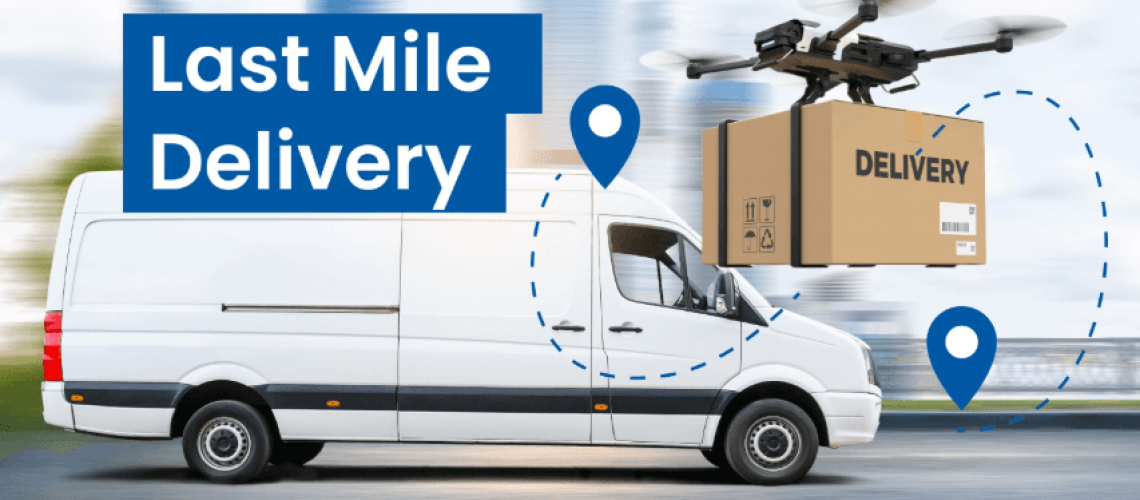
Better digital mapping, route optimisation, improved roads, strategically located warehouses, electric motorcycles, drones in suitable areas, and stronger local distribution networks could all influence the future of delivery across the continent.
The goal is not simply to move packages faster. Companies also need to make deliveries more reliable, affordable, and accessible.
Conclusion
Difficult terrain remains one of the major challenges facing African delivery companies, but it has also encouraged innovation. Businesses are combining motorcycles, specialised vehicles, technology, local knowledge, community partnerships, and flexible distribution models to reach customers in challenging environments.
As infrastructure improves and logistics technology develops, these strategies will become even more important. The ability to adapt to Africa’s diverse terrain will remain a key part of building reliable delivery networks that connect businesses, communities, and customers across the continent.
