

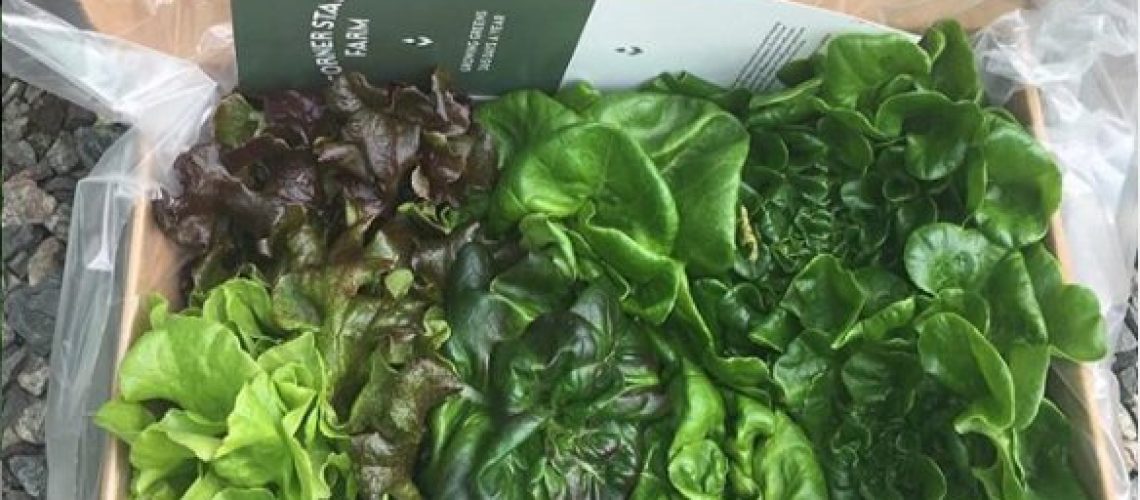
Across Africa, local producers are finding new ways to connect directly with customers without depending entirely on traditional distribution channels.
Farmers, food processors, artisans, manufacturers, and small-scale producers are increasingly using digital platforms, community networks, marketplaces, and direct sales strategies to reach buyers.
This shift is changing how products move from producers to consumers. It can also create opportunities for producers to earn better margins, understand their customers, and build stronger local brands.
Why Direct-to-Customer Sales Matter
Traditionally, a product may pass through several intermediaries before reaching the final consumer. While wholesalers, distributors, and retailers provide valuable services, each additional stage can affect the final price and the producer’s earnings.
Direct selling allows producers to take greater control of the customer relationship.
For a small food producer, for example, selling directly to households can provide valuable information about what customers like, how frequently they purchase, and what prices they consider reasonable.
1. Social Media Is Becoming a Digital Shopfront
Social media has become an important customer-acquisition channel for local businesses.
Producers can showcase their products through photos, short videos, customer testimonials, demonstrations, and behind-the-scenes content. Interested customers can then place orders through messaging platforms or other digital channels.
A local baker, spice producer, clothing maker, or farmer does not necessarily need a large physical shop to begin building a customer base.
Consistency is important. Producers who regularly communicate their products, prices, availability, and ordering process are more likely to remain visible to potential customers.
2. WhatsApp Helps Producers Build Personal Relationships
Messaging platforms have become particularly useful for small businesses because they allow producers to communicate directly with customers.
A producer can create a customer list, share new products, announce available stock, collect orders, and provide delivery updates.
Regular customers can also receive early access to new products or special packages.
For businesses selling food, this can be especially useful. A producer may send a weekly availability list and allow customers to reserve items before collection or delivery.
3. Farmers Are Creating Direct Buying Networks
Farmers are increasingly exploring ways to sell directly to households, restaurants, retailers, and institutions.
Instead of waiting for produce to be purchased at the farm gate, some producers organize pre-orders from customers before harvesting. This approach can provide greater certainty about demand.
Community-supported agriculture models, farmers’ markets, subscription boxes, and organized bulk purchases can also connect producers with groups of consumers.
These arrangements can be especially valuable for perishable products because farmers have a clearer idea of how much produce is needed.
4. Online Marketplaces Are Expanding Reach
Digital marketplaces allow local producers to display their products to customers beyond their immediate neighborhoods.
A small producer can potentially reach buyers in another part of the city or even another region, depending on the product and delivery infrastructure available.
For packaged foods, household products, fashion items, crafts, and other non-perishable goods, online marketplaces can provide a relatively affordable way to discover new customers.
The challenge is standing out. Producers need clear product descriptions, reliable pricing, attractive presentation, and responsive customer service.
5. Producers Are Using Customer Referrals
Word-of-mouth remains one of the most powerful marketing tools for small businesses.
Satisfied customers can introduce a producer to friends, relatives, colleagues, religious or community groups, and professional networks.
Some producers encourage referrals by offering discounts, loyalty benefits, or small rewards when existing customers introduce new buyers.
The key is to provide a product and service good enough that customers naturally want to recommend it.
6. Community Groups Are Creating New Sales Opportunities
Local community groups can give producers access to concentrated customer networks.
A producer of grains, packaged foods, household products, or handmade goods may partner with residential associations, workplaces, schools, cooperatives, or community organizations.
Instead of finding customers individually, the producer can present products to an established group.
Bulk ordering can make the arrangement even more attractive because larger orders may reduce packaging, transportation, and marketing costs.
7. Pop-Up Markets and Local Events Help Build Trust
Physical events remain important even as digital commerce grows. Pop-up shops, farmers’ markets, exhibitions, food fairs, cultural events, and community markets give producers an opportunity to meet customers face-to-face.
Customers can see products, ask questions, taste samples where appropriate, and learn the story behind the business.
For emerging brands, this personal interaction can turn an unfamiliar product into a trusted one.
8. Restaurants and Businesses Can Become Direct Buyers
Direct selling is not limited to individual consumers.
Local producers can approach restaurants, hotels, cafés, supermarkets, caterers, schools, and offices that regularly purchase products.
A vegetable farmer might supply a restaurant. A local food processor might supply a supermarket. A furniture maker could work directly with offices or hospitality businesses.
Business-to-business relationships can provide more predictable demand when producers can consistently meet quality, quantity, and delivery requirements.
9. Subscription Models Can Create Predictable Demand
Subscriptions are another way local producers can develop direct relationships.
For example, a producer could offer weekly or monthly packages containing selected food products. Customers pay regularly and receive their orders according to an agreed schedule.
This model can help producers plan production and purchasing more effectively.
It can also encourage customer loyalty because buyers do not have to place a new order every time they need the product.
10. Better Logistics Make Direct Selling Easier
Finding customers is only half the challenge. Getting products to them efficiently is equally important.
Direct-to-customer businesses need reliable systems for:
- Order collection
- Packaging
- Inventory management
- Payment confirmation
- Delivery scheduling
- Customer communication
- Returns or replacements where necessary
For perishable goods, speed and proper handling become even more important.
As local logistics networks improve, more producers can serve customers outside their immediate communities without establishing expensive physical outlets.
11. Producers Are Building Brands, Not Just Selling Products
Successful direct sellers increasingly understand that customers are buying more than a physical product.
They are also buying trust, quality, convenience, identity, and experience.
A local producer can strengthen its brand by explaining where products come from, how they are made, who produces them, and why customers should choose them.
Storytelling can be particularly powerful for African businesses because it allows local producers to communicate culture, craftsmanship, innovation, and community impact.
Challenges to Overcome
Direct selling also comes with challenges. Producers may struggle with inconsistent supply, limited marketing knowledge, poor packaging, delivery costs, digital payment issues, and customer acquisition.
There is also the challenge of scaling. A producer who suddenly receives hundreds of orders may find it difficult to maintain quality and meet delivery deadlines.
The solution is to build systems gradually rather than growing faster than the business can handle.
The Future of Direct Local Commerce
The relationship between producers and consumers is becoming more direct. Digital communication, community networks, local marketplaces, organized deliveries, and changing consumer preferences are creating new opportunities for businesses to bypass some traditional barriers.
For local producers, the opportunity is significant. They can collect customer feedback faster, develop products around real demand, strengthen their brands, and potentially retain more value from every sale.
Conclusion
Local producers no longer have to rely exclusively on traditional retail channels to find customers. Social media, messaging platforms, community groups, online marketplaces, direct partnerships, events, and subscription models are giving them more ways to reach buyers.
The most successful producers will combine good products with reliable service, strong customer relationships, efficient logistics, and consistent communication.
Direct selling is not simply about removing middlemen. It is about bringing producers closer to the people they serve, and using that relationship to build stronger, more sustainable local businesses.
