

Travel does not always have to be about seeing as many places as possible in the shortest amount of time.
Across Africa, a growing number of travelers are choosing a slower approach that allows them to stay longer, explore more deeply, and connect with local communities. Slow travel focuses on quality rather than quantity. Instead of rushing between attractions, travelers spend more time understanding the culture, food, landscapes, history, and everyday life of a destination.
Africa is particularly well suited to this style of travel. Its diverse cultures, expansive landscapes, historic communities, food traditions, and relaxed coastal towns provide plenty of opportunities to slow down and experience a place beyond its most famous attractions.
What Makes Slow Travel Different?
Traditional tourism often follows a packed itinerary. Travelers may visit several cities within a few days, take numerous tours, and move quickly from one attraction to another.
Slow travel takes a different approach.
It encourages visitors to spend several days or even weeks in one location. This creates opportunities to walk through neighborhoods, eat at local restaurants, use public transportation, speak with residents, visit smaller businesses, and participate in community activities.
The result can be a more personal and memorable travel experience.
Slow travel can also benefit local economies because visitors tend to spend more time with locally owned accommodation providers, restaurants, guides, artisans, markets, and cultural businesses.
1. Zanzibar, Tanzania
Zanzibar is an excellent destination for travelers who want to replace a packed itinerary with relaxed exploration.
Stone Town provides a fascinating introduction to the island’s history and cultural influences. Visitors can spend hours walking through its narrow streets, exploring markets, discovering historic buildings, and sampling local food.
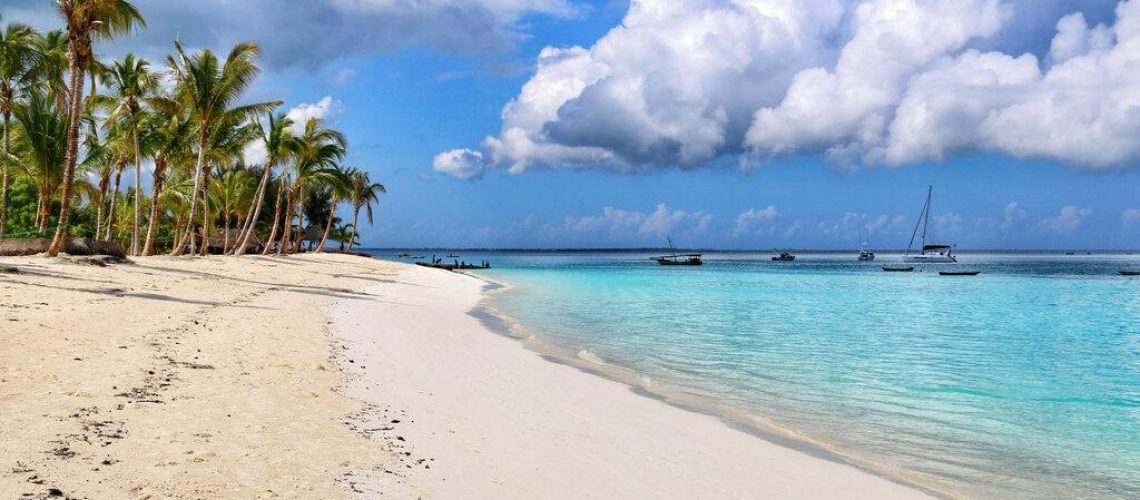
Beyond Stone Town, the island offers beaches and coastal communities where travelers can slow down and enjoy the surroundings without constantly checking the clock.
Instead of visiting Zanzibar for just a weekend, spending a week or more allows visitors to experience both its historic center and quieter coastal areas.
2. Cape Town, South Africa
Cape Town is often associated with major attractions such as Table Mountain, but the city becomes even more rewarding when explored at a slower pace.
Travelers can dedicate an entire day to exploring neighborhoods, another to visiting museums and cultural sites, and another to discovering local food and markets.
The surrounding landscapes also make it easy to combine city exploration with nature. A longer stay allows visitors to explore the city’s coastline, nearby wine-growing areas, hiking routes, and smaller communities without trying to fit everything into one rushed schedule.
Cape Town is therefore ideal for travelers who want a balance between urban experiences and outdoor exploration.
3. Essaouira, Morocco
For travelers seeking a calmer Moroccan experience, Essaouira offers a refreshing alternative to the country’s busier tourist destinations.
The coastal city is known for its historic medina, fishing harbor, artisan shops, seafood, and ocean views.
Slow travel here can be as simple as spending a morning wandering through the medina, having lunch at a small restaurant, and watching fishing boats return to the harbor.
The city’s manageable size makes it particularly suitable for walking. Travelers can take their time discovering shops, talking to artisans, and enjoying the atmosphere rather than rushing from attraction to attraction.
4. Lamu, Kenya
Lamu offers a distinctly slower rhythm of life.
Located along Kenya’s coast, Lamu is known for its historic Swahili culture, traditional architecture, narrow streets, and dhow boats. The destination provides an opportunity to experience a different pace from the busy urban centers of East Africa.
Visitors can explore the old town on foot, spend time near the waterfront, enjoy local cuisine, and take boat trips along the coast.
The appeal of Lamu is not simply a list of attractions. Much of the experience comes from observing everyday life and allowing the destination to unfold naturally.
5. Kigali, Rwanda
Kigali is a destination where travelers can combine cultural discovery with a relaxed urban experience.
The Rwandan capital is known for its clean streets, hills, cafés, markets, restaurants, and growing creative scene.
Rather than treating Kigali simply as a stopover before heading to Rwanda’s famous national parks, travelers can spend several days getting to know the city.
A slower itinerary might include visiting cultural institutions, exploring local markets, trying Rwandan cuisine, discovering independent businesses, and spending time in different neighborhoods.
This approach provides a better understanding of contemporary life in Rwanda.
6. Accra, Ghana
Accra is another African city that rewards travelers who give themselves enough time to explore beyond the standard tourist checklist.
The Ghanaian capital has a vibrant mixture of food, music, fashion, art, entrepreneurship, history, and nightlife.
Slow travelers can spend time discovering local restaurants, visiting art spaces, exploring markets, attending cultural events, and interacting with small businesses.
Accra’s creative energy is best appreciated without rushing. Staying longer can also make it easier to discover experiences that may not appear in conventional travel guides.
7. São Tomé, São Tomé and Príncipe
São Tomé offers travelers a chance to disconnect from the intensity of conventional tourism. The island nation is known for tropical landscapes, beaches, forests, historic plantations, and small communities.
Instead of filling every day with activities, visitors can take time to explore the island’s natural surroundings, learn about its history, enjoy local food, and interact with residents.
Its relatively relaxed atmosphere makes it particularly attractive to travelers who want nature and cultural discovery without an overly commercial tourist environment.
8. Windhoek and Namibia’s Smaller Towns
Namibia is famous for dramatic landscapes, but slow travel allows visitors to appreciate the journey between major attractions as much as the destinations themselves.
Spending more time in places such as Windhoek or Swakopmund can provide opportunities to understand local culture, food, architecture, and history.
Travelers can also build longer road trips around Namibia’s landscapes instead of attempting to cover the country in a few days.
The country’s vast distances make slow travel particularly practical. Giving yourself additional time reduces pressure and creates opportunities to stop at places that might otherwise be overlooked.
9. Dakar, Senegal
Dakar combines history, art, music, food, fashion, and coastal living. A rushed visit can easily focus only on major landmarks. A longer stay allows travelers to experience the city through its neighborhoods, restaurants, galleries, markets, and cultural spaces.
Visitors can also explore nearby destinations such as Gorée Island while maintaining Dakar as a comfortable base.
For food lovers and culture enthusiasts, spending several days in the city can reveal layers of Senegalese culture that are difficult to appreciate during a quick visit.
10. São Vicente, Cabo Verde
Mindelo on São Vicente Island offers a relaxed combination of music, culture, architecture, and coastal life.
The city is strongly associated with Cape Verdean music and cultural expression. Travelers who stay longer can explore its streets, enjoy local restaurants, discover performances, and experience the city’s social atmosphere.
Rather than treating the island as a quick stop, visitors can use their time to understand the local rhythm of life.
Why Slow Travel Matters for Africa
Slow travel can have benefits beyond the traveler. When visitors stay longer, they have more opportunities to spend money with locally owned businesses. They may eat at neighborhood restaurants, purchase crafts directly from artisans, hire local guides, stay in locally operated accommodation, and participate in community experiences.
This can help tourism income reach a wider range of people.
Slow travel can also encourage more responsible tourism. Travelers who spend more time in one place may become more aware of local customs, environmental concerns, and community needs.
Most importantly, slow travel changes the relationship between visitors and destinations. Instead of treating a location as a collection of attractions to photograph, travelers have the opportunity to experience it as a living community.
How to Plan a Slow Travel Trip in Africa
Planning a slower African adventure does not necessarily require a large budget. The most important change is reducing the number of places included in the itinerary.
Consider spending five to seven days in one destination instead of trying to visit three or four places within the same period.
Choose accommodation that is locally owned where practical. Eat at independent restaurants and explore local markets. Use walking tours and local guides to understand the history and culture of the destination.
It is also useful to leave some free time in the itinerary. An unscheduled afternoon can become an opportunity to discover a neighborhood, meet new people, or simply enjoy the surroundings.
The Beauty of Taking Your Time
Africa is too diverse to experience properly through a rushed itinerary. From Zanzibar’s coastal communities to Dakar’s cultural energy, Essaouira’s historic streets, Lamu’s Swahili heritage, and Namibia’s vast landscapes, many destinations become more rewarding when travelers slow down.
The greatest benefit of slow travel is not simply seeing fewer places. It is seeing the places you visit more deeply.
For travelers willing to take their time, Africa offers countless opportunities to turn a holiday into a meaningful cultural, culinary, and personal experience.
