

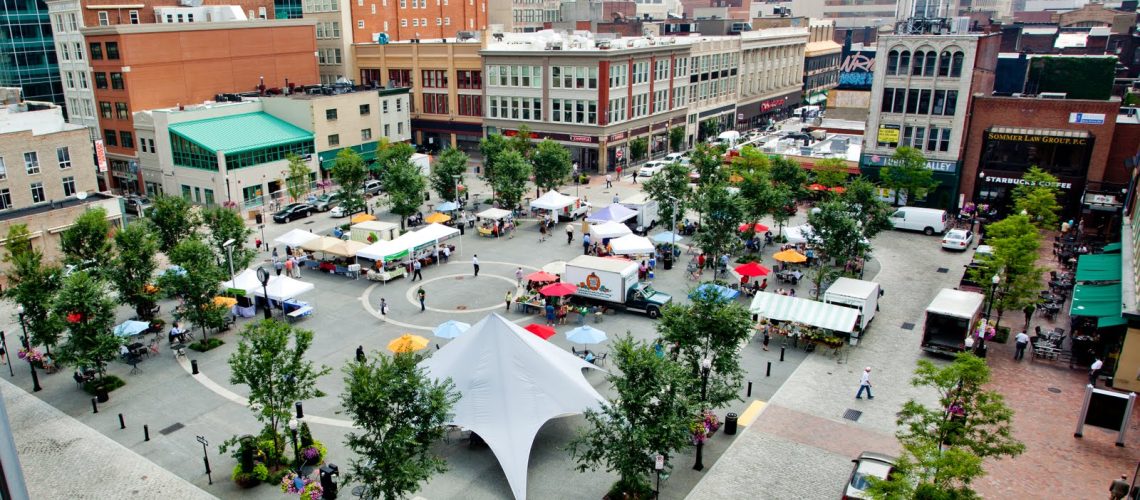
Public markets are an important part of urban life across Africa.
From large food markets in Lagos and Accra to neighborhood markets in Nairobi, Kampala, and Dakar, these spaces connect consumers with food, clothing, household goods, services, and small businesses.
However, a market can become difficult to use when it lacks proper walkways, drainage, sanitation, lighting, waste management, parking, and organized trading spaces. Poorly designed markets can create congestion and make everyday shopping stressful.
Better public markets can change this experience. With thoughtful planning and investment, markets can become cleaner, safer, more accessible, and more productive places that benefit both traders and residents.
What Makes a Public Market Better?
A successful public market needs more than rows of shops and stalls. Its design should respond to the needs of traders, shoppers, transport operators, nearby residents, and the wider city.
Good markets usually provide:
- Clean and accessible walkways
- Reliable water and sanitation facilities
- Proper drainage systems
- Organized waste collection
- Adequate lighting
- Safe storage areas
- Clear spaces for loading and unloading
- Affordable stalls for small businesses
- Areas for pedestrians and public transport
- Fire and emergency access
These features make daily activities easier while supporting a healthier urban environment.
Better Markets Can Improve Food Access
Public markets play a major role in food distribution. Many urban households depend on them for vegetables, grains, fruits, meat, fish, spices, and other essential products.
A well-organized market can make food shopping faster and more convenient. Clearly arranged sections help customers locate products without walking through unnecessary congestion.
Good storage facilities can also help protect perishable goods. When traders have access to appropriate cold storage, clean water, and hygienic selling areas, food can remain in better condition for longer.
This can benefit both sellers and consumers.
Cleaner Markets Create Healthier Communities
Poor sanitation can create serious problems in busy markets. Open waste, blocked drains, contaminated water, and poorly maintained toilets can make public spaces unpleasant and increase health risks.
Better market infrastructure can address these challenges.
For example, regular waste collection points can prevent rubbish from accumulating around stalls. Proper drainage can reduce stagnant water during rainy periods. Clean toilets and handwashing facilities can also encourage better hygiene among traders and visitors.
As a result, improving a market can contribute to the health of the surrounding community.
Better Design Can Reduce Urban Congestion
Markets often attract large numbers of pedestrians, motorcycles, cars, buses, delivery vehicles, and commercial trucks. Without proper planning, these activities can spill onto surrounding roads.
A better market can separate different forms of movement.
Designated loading zones can give delivery vehicles a place to stop without blocking major roads. Pedestrian walkways can protect shoppers from moving vehicles. Clearly marked entrances and exits can also improve traffic flow.
Such changes may appear simple, but they can make a noticeable difference to everyday urban mobility.
Markets Can Make Cities More Walkable
Walkability is an important part of a comfortable city. People should be able to walk to shops and services without constantly navigating potholes, vehicles, open drains, or overcrowded pathways.
Public markets can become important walkable destinations when they are properly designed.
Covered walkways can protect shoppers from intense sunlight and rain. Wider pedestrian routes can make movement easier for elderly people, parents with children, and people with mobility challenges.
Connecting markets with nearby bus stops and pedestrian routes can further encourage convenient movement around the city.
Public Markets Support Small Businesses
Markets are often entry points into entrepreneurship. A person may begin with a small stall before expanding into a larger retail operation.
Affordable and well-managed market spaces can therefore support thousands of small businesses.
Better facilities can also improve the customer experience. A clean, organized, and attractive environment may encourage shoppers to spend more time exploring products and returning regularly.
For traders, improved infrastructure can create a more stable environment in which to build their businesses.
Safer Markets Encourage More Activity
Safety is another major consideration.
Adequate lighting can make markets easier to navigate during early mornings and evenings. Clear pathways can reduce accidents. Emergency exits and accessible fire equipment can help markets respond more effectively to emergencies.
Security measures should also protect both traders and shoppers without making markets uncomfortable or overly restrictive.
When people feel safe, markets can remain active for longer periods and attract a wider range of customers.
Markets Can Strengthen Local Communities
A public market is more than a place for buying and selling. It can also function as a social space.
People meet neighbors, exchange information, discover local products, and build relationships through everyday market activities. In many African cities, markets are closely connected to local culture and community identity.
Improving these spaces does not have to mean removing their traditional character.
Instead, city planners can combine modern infrastructure with local architecture, cultural practices, and familiar trading patterns. This approach can preserve the identity of a market while making it more comfortable and functional.
Better Markets Can Support Local Food Systems
Public markets can connect urban consumers with farmers, food processors, wholesalers, and distributors.
This relationship becomes especially important as African cities grow. A reliable market network can help food move from rural production areas into urban neighborhoods.
Improved facilities for receiving, storing, sorting, and selling food can make this supply chain more efficient.
Local markets can therefore become an important part of building stronger urban food systems.
Technology Can Improve Market Management
Modern technology can also improve the market experience.
Digital payment options can make transactions more convenient. Online directories can help customers locate traders and products. Digital platforms can provide information about market hours, available services, and special events.
Market managers can also use technology to monitor maintenance requests, collect fees, manage stall allocation, and communicate with traders.
However, technology should complement good physical infrastructure rather than replace it.
Public Markets Can Become Attractive Urban Spaces
Markets do not have to look chaotic or neglected. Thoughtful design can make them attractive destinations.
Good signage, landscaping, comfortable seating, attractive stall layouts, lighting, and public art can improve the appearance of a market.
Some markets could also include small food courts, community spaces, cultural exhibitions, or areas for local events.
These additions can make markets more than shopping destinations. They can become places where people experience the culture and character of their city.
Planning Should Include Traders and Residents
One of the most important principles in improving public markets is consultation.
Traders understand how the market operates on a daily basis. Residents understand the challenges created by congestion, noise, waste, and transportation. Shoppers know what makes the experience convenient or frustrating.
Their experiences should influence market planning.
Instead of designing markets entirely from an office, authorities and developers can consult the people who use these spaces every day. This can produce solutions that are more practical and easier to maintain.
The Future of Public Markets in African Cities
African cities are expanding rapidly, creating greater demand for accessible food, retail, transportation, and community spaces.
Public markets can help cities respond to this growth when they receive the right investment.
The goal should not simply be to construct bigger markets. Cities need markets that are functional, affordable, safe, environmentally responsible, and connected to surrounding neighborhoods.
A well-designed market can reduce congestion, improve food access, support entrepreneurs, create jobs, strengthen communities, and make everyday life more convenient.
Conclusion
Better public markets can significantly improve urban life. They bring together commerce, food distribution, transportation, community interaction, and local culture in one important space.
When cities invest in clean facilities, proper drainage, safe walkways, waste management, lighting, storage, transportation access, and thoughtful design, markets become more useful to everyone.
For growing African cities, improving existing public markets may be just as important as building new infrastructure. With practical planning and meaningful community involvement, markets can become cleaner, safer, more efficient, and more vibrant parts of urban life.
