

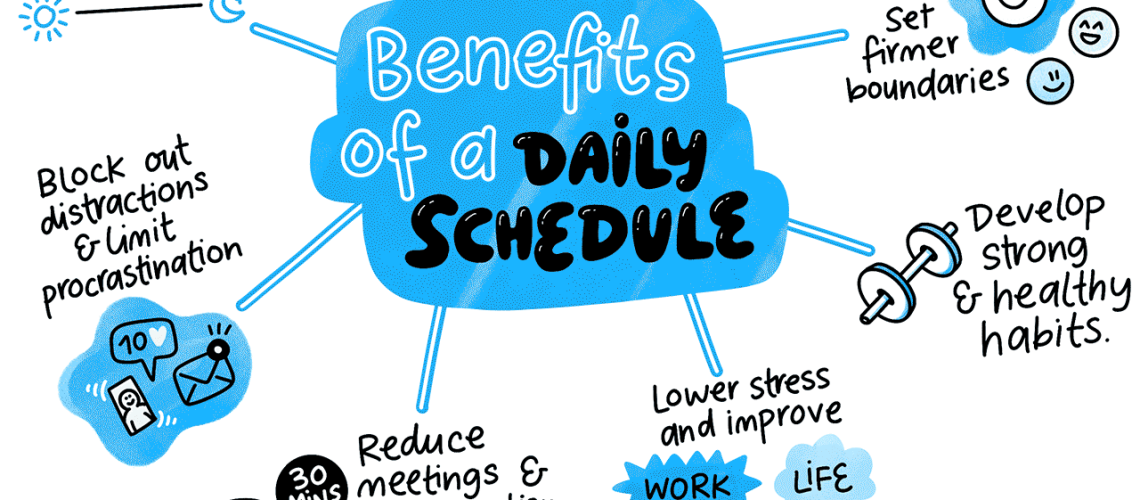
Modern life often makes productivity look like a competition.
People fill their calendars with meetings, errands, deadlines, appointments, projects, and personal commitments. A busy schedule can create the impression that someone is making progress. However, being busy does not always mean being productive.
In many cases, a simpler schedule can help people accomplish more because it creates room for focus, planning, rest, and meaningful work. Instead of trying to complete everything at once, a simple schedule encourages people to identify what matters most and give those priorities enough attention.
What Is a Simpler Schedule?
A simpler schedule is not necessarily an empty calendar. Rather, it is a realistic plan that limits unnecessary activities and gives important tasks enough time.
For example, instead of planning ten major tasks for one day, someone might identify three important priorities and a few smaller responsibilities. This approach makes the day easier to manage and reduces the pressure of constantly moving from one task to another.
Simplicity also means leaving some space between activities. Unexpected calls, delays, emergencies, and additional responsibilities can happen. A schedule with no flexibility can quickly become stressful when something goes wrong.
It Reduces Mental Overload
Every task on a schedule requires some level of mental attention. Even simple responsibilities can occupy the mind when there are too many of them.
A crowded schedule can make people constantly think about what they have not completed. As a result, attention becomes divided between current tasks and future responsibilities.
A simpler schedule reduces this mental clutter. When fewer priorities compete for attention, it becomes easier to concentrate on the task in front of you.
This can be particularly useful for people managing work, family responsibilities, errands, and personal projects at the same time.
It Makes Priorities Clearer
Not every task deserves equal attention. Some activities have a significant impact on important goals, while others simply create temporary convenience.
A simpler schedule encourages people to ask useful questions:
- What needs to be done today?
- Which task has the greatest impact?
- What can wait until tomorrow?
- Which activities can be delegated?
- What can be removed completely?
These questions help separate urgent tasks from genuinely important ones.
Once priorities become clearer, time can be directed toward activities that produce meaningful results instead of being spread across too many responsibilities.
It Improves Focus
Multitasking can make a busy day feel productive, but constantly switching between activities can make concentration more difficult.
For instance, someone may begin writing a report, respond to a message, check social media, answer a phone call, and then return to the report. Although several activities were completed, the constant switching may have reduced the quality and speed of the main task.
A simpler schedule creates longer periods for focused work. During these periods, distractions can be reduced and important tasks can receive full attention.
It Makes Planning More Realistic
One common scheduling mistake is underestimating how long tasks will take.
A person may assume that an errand will require 30 minutes when transportation, queues, traffic, or unexpected delays could make it take much longer. Similarly, a work assignment that appears simple may require several hours of research and revision.
Simpler schedules leave room for these realities.
Instead of filling every hour, people can estimate task duration more carefully and include additional time for transitions and unexpected situations. This makes the schedule easier to follow.
It Reduces Decision Fatigue
Every day involves decisions. People decide what to eat, what to wear, which task to complete first, when to respond to messages, when to shop, and how to handle numerous small responsibilities.
Too many scheduled activities can increase the number of decisions that need to be made.
A simpler routine can reduce this pressure. For example, preparing meals in advance, assigning specific days for errands, or setting regular times for checking emails can eliminate repeated decisions.
With fewer small choices throughout the day, more mental energy can be reserved for important work.
It Creates Room for Unexpected Tasks
Life rarely follows a perfect timetable. A colleague may need urgent assistance. A client may request a revision. A family member may need help. Traffic may cause delays. An important appointment may take longer than expected.
When every minute has already been assigned, even a small interruption can disrupt the entire day.
A simpler schedule provides breathing room. Some unplanned events can then be handled without creating unnecessary stress or forcing every remaining task to be postponed.
It Can Improve Work Quality
Productivity should not only be measured by the number of tasks completed. Quality matters too.
Completing five tasks poorly may be less valuable than completing two important tasks carefully.
A less crowded schedule gives people more time to review their work, correct mistakes, think creatively, and improve the final result. This is particularly important for professionals whose work requires concentration, creativity, or problem-solving.
It Supports Better Work-Life Balance
A schedule that is constantly filled with work can leave little room for rest, relationships, hobbies, or personal development.
Over time, this imbalance can contribute to exhaustion and reduce motivation.
A simpler schedule recognizes that rest is also part of sustainable productivity. Time spent sleeping properly, exercising, spending time with loved ones, or simply relaxing can help people return to their responsibilities with greater energy.
Productivity should support a person’s life rather than consume it.
How to Create a Simpler Schedule
Creating a simpler schedule does not require completely changing your lifestyle. Small adjustments can make a significant difference.
1. Choose Your Top Priorities
Begin each day by identifying two or three tasks that matter most. These should be activities that contribute directly to your most important responsibilities or goals.
2. Remove Unnecessary Activities
Review your regular schedule and identify activities that provide little value. Some meetings, errands, notifications, or commitments may be unnecessary.
Removing even a few low-value activities can create useful time.
3. Group Similar Tasks
Instead of spreading similar activities throughout the day, consider completing them together.
For example, emails and messages can be handled during designated periods rather than checked continuously. Several errands can also be combined into one trip where practical.
4. Leave Gaps Between Tasks
Avoid scheduling activities back-to-back whenever possible. Short gaps provide time to transition, prepare, rest, or deal with unexpected delays.
5. Plan for Tomorrow
At the end of the day, take a few minutes to review unfinished tasks and identify the next day’s priorities. This can make the following morning more organized.
6. Protect Your Focus Time
Reserve specific periods for important work. During those periods, silence unnecessary notifications and avoid distractions that are not related to the task.
Simplicity Does Not Mean Laziness
Some people may associate a lighter schedule with doing less. However, the goal is not to avoid work. The goal is to spend time more intentionally.
A person with a simple schedule can still work hard. The difference is that their effort is directed toward fewer, more meaningful priorities.
Instead of asking, “How much can I fit into today?” it can be more useful to ask, “What deserves my attention today?”
That change in perspective can make productivity more sustainable.
Conclusion
A simpler schedule can improve productivity by reducing mental overload, strengthening focus, clarifying priorities, and creating room for unexpected responsibilities. It can also improve work quality and provide more space for rest and personal life.
The most productive schedule is not necessarily the busiest one. A well-designed schedule gives important tasks enough attention while leaving room to breathe.
By removing unnecessary commitments, prioritizing meaningful work, and creating realistic time blocks, anyone can build a schedule that is easier to follow and more effective in the long run.
