

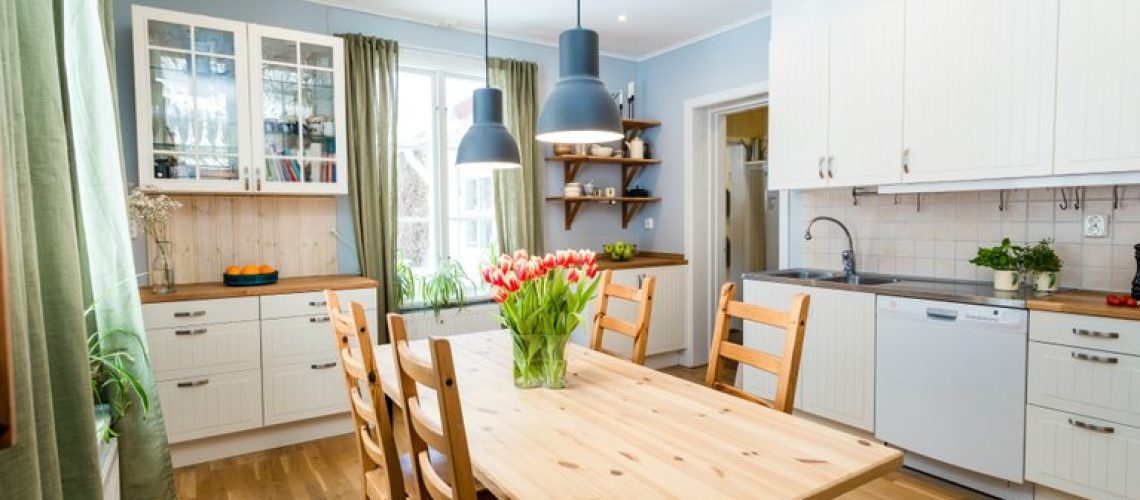
Extended family visits can bring warmth, laughter, shared meals, and memorable experiences.
However, hosting several relatives for a few days or weeks can also place pressure on your home, especially when space, food, privacy, and household routines must be managed carefully.
With proper planning, you can make your home comfortable for visitors without creating unnecessary stress for yourself. The key is to prepare for practical needs while keeping the home welcoming and organized.
1. Plan for the Number of Guests
Start by confirming who is coming, how long they will stay, and whether children or older relatives will be part of the group.
Knowing the number of visitors helps you determine how much sleeping space, food, bedding, and bathroom supplies you will need.
If your home has limited bedrooms, consider practical sleeping arrangements. Living rooms, guest rooms, or other suitable spaces can be temporarily reorganized to accommodate additional people.
It is also useful to identify which visitors may need special arrangements, such as older adults who require easier access to bathrooms or children who need safer sleeping areas.
2. Organize Sleeping Areas
Comfortable sleeping arrangements can make a major difference during an extended visit.
Clean mattresses, bedsheets, pillows, blankets, and towels before guests arrive. If you do not have enough beds, consider using clean mattresses, foldable beds, or other suitable sleeping options.
Try to give each guest enough personal space for clothing and belongings. Even a small basket, drawer, or designated corner can prevent bags and clothes from spreading throughout the house.
Privacy also matters. Curtains, room dividers, or thoughtful room assignments can help create separate spaces when several people are sharing a room.
3. Deep-Clean the Important Areas
You do not necessarily need to clean every corner of the house from top to bottom. Focus first on areas your guests will use most.
Pay particular attention to:
- Bathrooms and toilets
- Guest sleeping areas
- Kitchen surfaces
- Living room
- Dining area
- Entryways
- Frequently touched surfaces
Remove unnecessary clutter and make space for visitors’ belongings.
A clean, organized home will usually feel more comfortable than a home filled with expensive decorations but limited usable space.
4. Stock Essential Household Supplies
Extended visits can quickly increase the use of everyday household items.
Before your guests arrive, check your supplies of:
- Toilet paper
- Soap and hand wash
- Toothpaste
- Cleaning products
- Laundry detergent
- Drinking water
- Tissues
- Bin bags
- Basic toiletries
- Cooking gas or other cooking fuel
Buying frequently used items in larger quantities can reduce the need for repeated shopping trips during the visit.
5. Plan Meals in Advance
Food can become one of the biggest challenges when hosting a large family.
Instead of deciding what to cook every day, create a simple meal plan before your visitors arrive.
Consider meals that are:
- Affordable
- Easy to prepare
- Familiar to most family members
- Suitable for large groups
- Easy to store and reheat
For example, rice dishes, soups, stews, beans, pasta, yam, potatoes, vegetables, and other family favorites can be planned around the number of people staying in the home.
Ask about allergies, dietary restrictions, and strong food preferences beforehand.
6. Create a Shared Household Routine
An extended visit can disrupt normal household routines. Establishing a simple structure can help everyone adjust.
Discuss practical matters such as meal times, bathroom use, laundry, cleaning, and quiet hours.
This does not need to feel like a set of strict rules. A few clear expectations can prevent misunderstandings.
For example, family members can take turns helping with dishes, tidying common areas, or preparing meals.
7. Prepare the Bathroom
Bathrooms often experience significantly more use when several relatives stay together.
Make sure the bathroom is clean and stocked with essential supplies. If multiple bathrooms are available, let visitors know which ones they can use.
You can also provide a small basket containing commonly needed items such as soap, tissue, and toiletries.
Regular cleaning becomes even more important during longer stays.
8. Make Space in the Kitchen
A crowded kitchen can make family visits unnecessarily stressful.
Before guests arrive, reorganize cupboards and the refrigerator. Remove expired food and create clearly accessible areas for commonly used ingredients.
If several people will be cooking, decide how the kitchen will be shared.
You can also prepare some ingredients ahead of time. Washing vegetables, sorting dry goods, or preparing certain sauces in advance can reduce the workload during busy days.
9. Protect Valuable or Fragile Items
Hosting visitors does not mean you have to put your belongings at risk.
Move particularly fragile, expensive, or sentimental items to a secure location before guests arrive.
This is especially important when young children will be staying in the home.
You can also keep important documents, electronics, and personal items in a private and secure area.
10. Create a Small Guest Information Area
Visitors may not know where everything is located, particularly if they do not frequently stay at your home.
Give them simple information about things such as:
- Wi-Fi access
- Bathroom locations
- Drinking water
- Kitchen supplies
- Electrical switches
- Laundry arrangements
- Emergency contacts
You do not need a formal guest handbook. A short explanation when they arrive may be enough.
11. Prepare for Children
If children will be visiting, look around the home from their perspective.
Keep cleaning chemicals, medications, sharp objects, and other potentially dangerous items out of reach.
Create a safe area where children can play without interfering with cooking or other household activities.
Simple entertainment such as books, board games, drawing materials, or age-appropriate movies can also help keep children occupied.
12. Think About Privacy
Extended family visits can be enjoyable, but everyone still needs personal space.
Try to create areas where people can relax independently. A quiet bedroom, balcony, reading corner, or outdoor space can provide a useful break from group activities.
Hosts also need privacy. Do not feel that you must entertain everyone constantly.
A healthy balance between togetherness and personal time can make a long visit more enjoyable for everyone.
13. Prepare for Laundry
More people usually means more laundry. Decide how laundry will be handled before the visit becomes overwhelming. You might establish particular laundry days or ask family members to manage their own clothes.
Make sure there is enough detergent, drying space, and access to an iron if necessary.
If your household already has a busy laundry routine, additional planning can prevent clothes from accumulating.
14. Keep an Emergency Kit Ready
It is useful to have basic emergency supplies available when hosting guests.
Depending on your household needs, this might include basic first-aid supplies, flashlights, batteries, phone chargers, and important emergency contact information.
Make sure visitors know where essential items are located.
15. Set a Realistic Hosting Budget
Hosting extended family can increase household expenses considerably.
Create a basic budget covering food, utilities, transportation, cleaning supplies, and other expected costs.
Do not feel pressured to create an expensive experience. A comfortable home, good meals, thoughtful organization, and time together can matter more than elaborate entertainment.
If appropriate, family members can also contribute to meals, transportation, or other shared expenses.
Conclusion
Preparing your home for extended family visits is mainly about organization, communication, and realistic planning.
Start by understanding how many people are coming and how long they will stay. Then prepare sleeping spaces, food, bathrooms, household supplies, and shared routines.
Most importantly, remember that hosting should not require one person to carry every responsibility. When family members contribute to cooking, cleaning, childcare, and other household tasks, the visit becomes easier for everyone.
A well-prepared home does not have to be perfect. It simply needs to be clean, comfortable, organized, and welcoming enough for everyone to enjoy their time together.
