

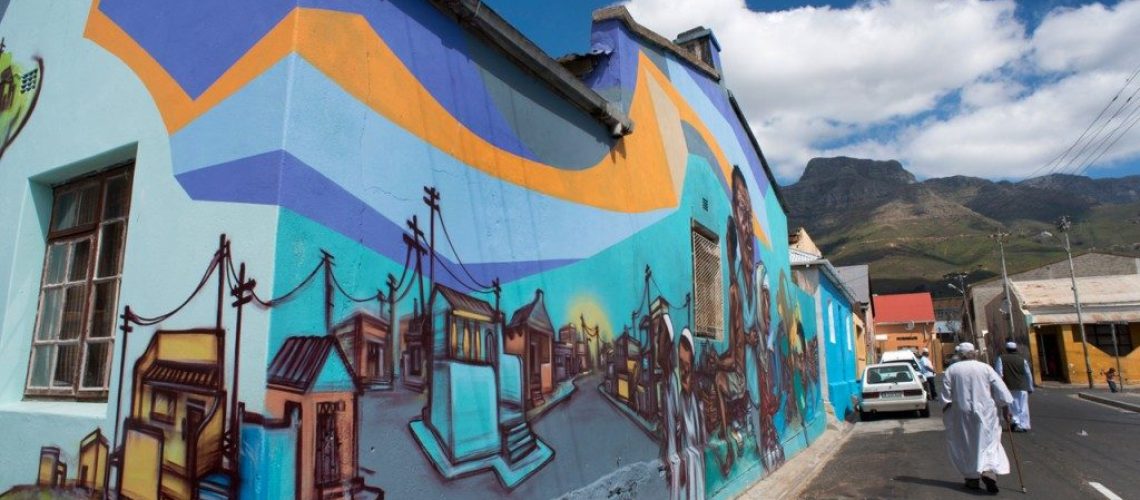
Africa is home to some of the world’s most vibrant neighborhoods, where colorful buildings, street art, traditional markets, fashion, music and local businesses come together to create distinctive urban identities.
These neighborhoods are more than attractive places for photographs. They often reflect history, creativity, community life and the changing character of African cities.
From painted houses to lively street markets, exploring these communities offers travelers an opportunity to experience Africa beyond conventional tourist attractions.
1. Bo-Kaap, Cape Town, South Africa
Bo-Kaap is one of Cape Town’s most recognizable neighborhoods. Its brightly painted houses, cobbled streets and historic architecture give the area a distinctive appearance.
The neighborhood is also closely connected to Cape Malay culture and history. Visitors can explore its streets, learn about its heritage and experience traditional cuisine.
The colorful buildings have become an important part of Cape Town’s visual identity, making Bo-Kaap a popular destination for photographers and travelers interested in cultural history.
2. Nyhavn? No — Makadara, Mombasa, Kenya
Mombasa contains several historic neighborhoods where colorful buildings, markets and busy streets reflect the city’s long connection with trade and migration.
Areas around Old Town are particularly interesting for travelers. Traditional architecture, carved doors, narrow streets and colorful storefronts create a unique atmosphere.
The neighborhood’s character also reflects Mombasa’s position as a historic coastal trading center influenced by African, Arab, Indian and European cultures.
3. Jamestown, Accra, Ghana
Jamestown is one of Accra’s historic coastal communities. Its streets combine colorful buildings, murals, fishing activity and historic landmarks.
Street art has become an important part of the area’s modern identity. Murals and creative projects have helped transform walls and public spaces into platforms for artistic expression.
Visitors can also experience the neighborhood’s connection to fishing and coastal life, creating an experience that combines contemporary creativity with older traditions.
4. Kibera, Nairobi, Kenya
Kibera is widely known as one of Nairobi’s largest informal settlements, but its identity extends beyond that description.
Community organizations, artists and young creatives have introduced murals, cultural projects and social enterprises throughout parts of the neighborhood.
These projects demonstrate how art can contribute to community expression and help residents tell their own stories.
Travelers should approach such communities respectfully, using local guides where appropriate and avoiding intrusive photography.
5. Lamu Old Town, Kenya
Lamu Old Town offers a different interpretation of color. Instead of relying primarily on painted walls, the area gets much of its visual character from decorated doors, textiles, market goods and traditional Swahili architecture.
The narrow streets and historic buildings create a distinctive environment that reflects centuries of coastal culture.
Walking through the town can reveal colorful fabrics, handcrafted products and local food markets alongside historic structures.
6. Soweto, Johannesburg, South Africa
Soweto is one of Johannesburg’s most historically significant areas and has a strong contemporary cultural identity.
Bright murals, restaurants, street businesses and colorful public spaces can be found across parts of the township.
The neighborhood is also associated with important moments in South African history. Exploring it therefore provides an opportunity to connect contemporary urban culture with the country’s past.
7. Medina, Dakar, Senegal
Dakar’s Medina is a lively neighborhood characterized by busy streets, local businesses, markets and strong artistic traditions.
Color appears throughout everyday life, from clothing and textiles to painted storefronts and street scenes.
The neighborhood also provides insight into Senegalese urban culture, where music, fashion, food and entrepreneurship often intersect.
8. Wuse and Other Creative Areas of Abuja, Nigeria
Abuja is known for its modern city planning, but several areas also showcase Nigeria’s growing creative culture.
Markets, restaurants, fashion businesses, murals and contemporary public spaces introduce color and personality into the capital.
Nigeria’s fashion industry particularly contributes to the visual diversity of urban spaces, with colorful fabrics and modern designs appearing throughout shops and cultural events.
Why These Neighborhoods Matter
Colorful neighborhoods are not simply tourist attractions. Their appearance often reflects deeper aspects of community life.
They Preserve Culture
Architecture, clothing, murals and markets can preserve stories about a community’s history and traditions.
They Support Local Businesses
Popular neighborhoods often attract visitors who spend money at restaurants, markets, craft shops and locally owned businesses.
They Encourage Creativity
Public art gives young artists opportunities to express themselves while transforming ordinary walls and public spaces.
They Create Strong Urban Identities
A distinctive neighborhood can become closely associated with its city. Its colors, architecture and cultural activities may contribute to how both residents and visitors understand the city.
Exploring Responsibly
Travelers should remember that colorful neighborhoods are people’s homes and workplaces, not simply backdrops for photographs.
Visitors should respect local customs, ask permission before photographing people and support locally owned businesses when possible. Hiring local guides can also provide deeper cultural context while contributing to the local economy.
Conclusion
Africa’s colorful neighborhoods demonstrate the continent’s remarkable combination of creativity, history and community life. From the painted houses of Bo-Kaap to the murals of Accra and the colorful markets of coastal East Africa, each neighborhood tells a different story.
Exploring these communities offers travelers more than beautiful photographs. It creates opportunities to understand the people, traditions and creative energy that continue to shape Africa’s cities.
