

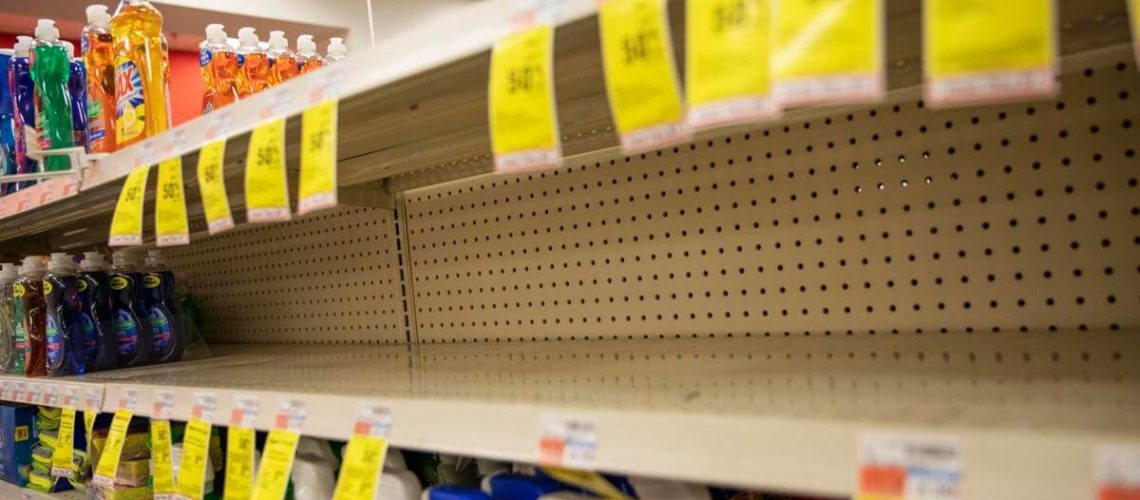
Stockouts can quickly turn a promising retail business into a frustrating experience for both customers and owners.
A customer walks into a shop looking for a familiar product, only to hear, “We are out of stock.” If this happens repeatedly, customers may begin buying from competitors instead.
Across African retail markets, stockouts can result from several factors, including unpredictable demand, transportation delays, supplier challenges, poor inventory records, inflation, seasonal changes, and limited access to working capital. Small retailers may face these problems more often because they often manage inventory manually and have limited storage capacity.
Reducing stockouts does not necessarily require expensive technology. Retailers can improve availability by combining better planning, accurate records, supplier relationships, and simple inventory systems.
Understand Which Products Sell Fast
One of the first steps toward reducing stockouts is identifying products that move quickly.
Retailers should regularly review their sales records to determine which products customers purchase most frequently. A supermarket, for example, may discover that certain beverages, household supplies, toiletries, or food items sell faster than other products.
Fast-moving products deserve closer attention. Retailers can check their quantities more frequently and reorder them before supplies become critically low.
This approach also helps businesses avoid treating every product in the same way. Slow-moving products may require less frequent replenishment, while essential products need more careful monitoring.
Set Reorder Levels
Retailers should establish a minimum quantity for important products. This quantity acts as a warning that it is time to place another order.
For example, a retailer that normally sells 20 cartons of a product each week could set a reorder level that allows enough stock to cover expected sales while waiting for the next delivery.
The exact level will depend on sales volume, supplier lead time, available storage, and how reliable deliveries are. Retailers should also review these levels when market conditions change.
Keep Accurate Inventory Records
Poor inventory records can create unnecessary stockouts.
A retailer may believe that 50 units remain on the shelf because the records show 50 units in stock. However, damaged goods, expired products, theft, unrecorded sales, or counting errors may mean that only 35 units are actually available.
Regular stock counts can reveal these differences. Businesses can use spreadsheets, point-of-sale systems, inventory applications, or even well-organized stock books.
The important thing is consistency. Every sale, return, damaged item, and incoming delivery should be recorded properly.
Use Sales Data to Forecast Demand
Historical sales data can help retailers anticipate future demand.
If a particular product consistently sells more during festive periods, school reopening seasons, weekends, or certain months, retailers can prepare before demand increases.
Retailers should also consider external factors. Changes in weather, local events, consumer income, holidays, and market prices can influence purchasing patterns.
Instead of waiting until customers start asking for a product, retailers can use previous sales patterns to prepare for likely increases in demand.
Build Strong Supplier Relationships
Reliable suppliers can make a major difference when retailers need to replenish stock quickly.
Retailers should understand their suppliers’ delivery schedules, minimum order quantities, payment terms, and typical lead times. Maintaining clear communication can also help businesses receive early warnings about shortages or delivery delays.
Where possible, retailers can maintain relationships with more than one supplier for critical products. Having an alternative source can reduce dependence on a single supplier when disruptions occur.
However, businesses should assess alternative suppliers carefully for product quality, pricing, reliability, and delivery capacity.
Maintain Safety Stock
Safety stock provides a buffer against unexpected problems. A supplier might deliver late. Demand might suddenly increase. Transportation costs might rise, or a popular product could become temporarily difficult to source.
Keeping a reasonable additional quantity can help retailers continue serving customers during such situations.
The amount of safety stock should match the importance and sales pattern of each product. Keeping too much stock can tie up money and storage space, so retailers should balance product availability with the cost of holding inventory.
Improve Communication Between Sales and Procurement
Stock management works better when different parts of the business communicate effectively. Sales staff often hear customer requests first. They may notice that shoppers are repeatedly asking for products that the business does not currently carry.
Procurement teams, meanwhile, need information about current stock levels and expected demand before placing orders.
Sharing this information regularly can help retailers make better purchasing decisions and identify emerging demand early.
Pay Attention to Seasonal and Local Demand
African retail markets can experience significant changes in demand around holidays, festivals, school terms, religious celebrations, sporting events, and other local occasions.
Retailers should study the events that affect their particular customer base.
A retailer serving a residential community may experience different demand patterns from one operating near a university, office district, transport hub, or tourist destination.
Understanding the local market allows businesses to prepare inventory according to their actual customers rather than relying only on general assumptions.
Improve Storage and Stock Rotation
Sometimes a retailer technically has stock but cannot sell it because products are difficult to locate, damaged, expired, or poorly organized.
A well-arranged store makes inventory easier to monitor. Products should have designated storage areas, while older stock should be moved appropriately so that it gets sold before newer stock.
For products with expiration dates, retailers can use the first-expire, first-out (FEFO) approach. Products with the nearest expiration dates are prioritized for sale.
Better organization reduces waste while making available inventory easier to identify.
Use Technology Where It Adds Value
Technology can make inventory management faster and more accurate. Small retailers can start with simple spreadsheet systems or affordable inventory applications. Larger businesses may use point-of-sale systems that automatically update inventory whenever a sale occurs.
Some systems can also provide low-stock alerts, sales reports, purchasing information, and product performance data.
The goal should not be to adopt technology simply because it is available. Retailers should choose tools that solve their specific inventory problems and that their employees can use consistently.
Plan for Supply Chain Disruptions
Retailers cannot control every part of the supply chain. Transportation problems, supplier shortages, economic changes, infrastructure challenges, and other disruptions can affect product availability.
Businesses can reduce their exposure by identifying their most vulnerable products and creating backup plans.
These plans might include alternative suppliers, different delivery arrangements, adjusted order quantities, or substitute products that customers may accept.
Conclusion
Reducing stockouts requires more than simply ordering more products. African retailers need to understand what customers buy, monitor inventory accurately, forecast demand, communicate with suppliers, and prepare for unexpected disruptions.
Small improvements can have a meaningful effect. A retailer that tracks fast-moving products, establishes reorder levels, maintains safety stock, and reviews sales data regularly can respond to customer demand more effectively.
Ultimately, good inventory management helps retailers protect sales, reduce waste, improve customer satisfaction, and build a more dependable shopping experience. In competitive African markets, keeping the right products available at the right time can become an important part of long-term business success.
