

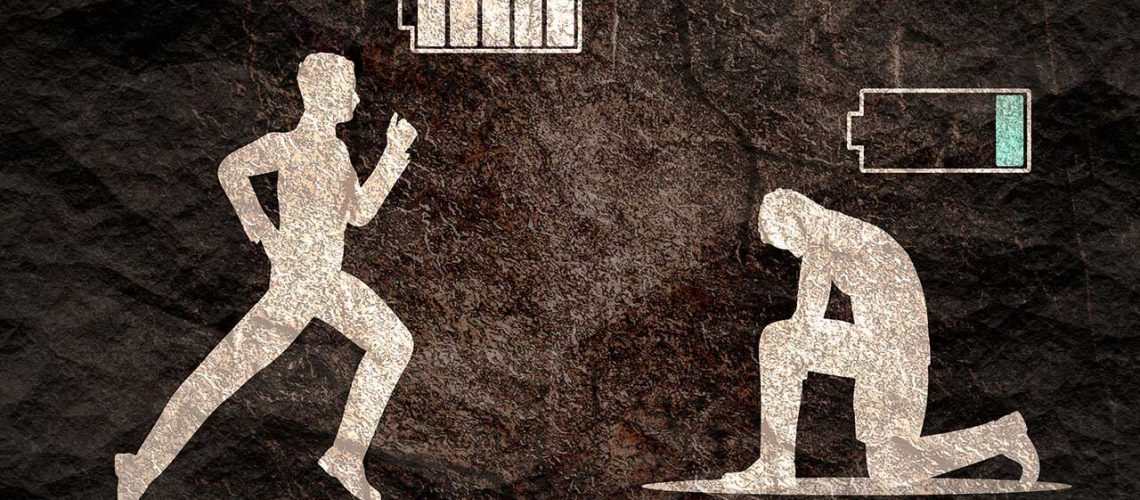
Not every hour of the day feels the same.
At certain times, you may feel focused, creative, and ready to tackle difficult tasks. At other times, even simple responsibilities can feel exhausting. Instead of fighting these natural changes in energy, you can plan your day around them.
Learning how to identify and use your highest-energy periods can improve productivity without forcing you to work longer hours. It also helps you understand when your mind and body perform at their best.
Whether you are a student, employee, business owner, creative professional, or parent, energy-based planning can make your daily routine more realistic and effective.
What Are High-Energy Periods?
High-energy periods are the times of day when you naturally feel most alert, motivated, focused, and mentally capable.
For some people, this period happens early in the morning. They may wake up feeling refreshed and complete their most demanding work before noon. Others become more productive in the afternoon or evening.
Your energy levels can depend on several factors, including:
- Sleep quality
- Work schedule
- Eating habits
- Exercise
- Stress levels
- Daily responsibilities
- Personal routines
- Natural body rhythms
- Type of work you are doing
Your highest-energy period may also change from day to day. Therefore, the goal is not to create a rigid schedule. Instead, you should understand your patterns and build a flexible routine around them.
Why Energy-Based Planning Matters
Traditional productivity advice often focuses on managing time. However, having enough time does not automatically mean you have enough energy to use it effectively.
You may have two free hours to complete an important project, but if those hours occur when you feel mentally drained, your output may suffer.
Energy-based planning takes another approach. It asks:
“When do I have the most energy for this type of task?”
That question can help you match your most demanding responsibilities with your strongest periods.
For example, someone who feels mentally sharp between 8 a.m. and 11 a.m. could use that period for writing, studying, designing, planning, or problem-solving. They could reserve lower-energy periods for emails, cleaning, routine administration, or simple errands.
This approach can make work feel less exhausting because you are not constantly forcing yourself to perform at maximum capacity.
How to Identify Your Highest-Energy Periods
Before changing your schedule, spend a few days observing yourself.
You do not need complicated productivity software. A notebook, phone note, or simple spreadsheet can work.
Several times throughout the day, record:
- Your current energy level
- Your ability to concentrate
- Your mood
- What you are doing
- Whether you have eaten recently
- How well you slept
- How difficult the task feels
Use a simple scale from 1 to 10.
For example:
8 a.m. — Energy: 8/10
Focused and motivated. Good time for creative work.
12 p.m. — Energy: 6/10
Still productive but starting to feel distracted.
3 p.m. — Energy: 4/10
Difficult to concentrate. Better for routine tasks.
8 p.m. — Energy: 7/10
Creative energy has returned.
After one or two weeks, look for patterns. You may discover that your best working hours are different from what you previously assumed.
Match Difficult Tasks With High-Energy Hours
Once you know your strongest periods, protect them for tasks that require your greatest mental effort.
These might include:
- Writing
- Studying
- Designing
- Strategic planning
- Coding
- Financial analysis
- Important meetings
- Creative development
- Problem-solving
- Learning new skills
Try not to fill your best hours with activities that require little concentration.
For example, if you have excellent focus in the morning, spending the entire morning checking social media and answering low-priority messages may leave you with less energy for the work that actually matters.
Your best hours are valuable. Treat them as a limited resource.
Save Low-Energy Tasks for Low-Energy Periods
Not every task requires your best mental performance.
Routine responsibilities can fit comfortably into periods when your energy drops.
Consider using these periods for:
- Responding to simple messages
- Organizing files
- Cleaning your workspace
- Scheduling appointments
- Basic administrative work
- Shopping
- Commuting
- Reviewing completed work
- Preparing for the next day
This does not mean you should ignore your wellbeing when you feel tired. If your body needs rest, rest is often more useful than forcing yourself through another task.
The idea is simply to avoid wasting your strongest mental hours on activities that do not require them.
Protect Your Peak Period From Distractions
Knowing your highest-energy period is only useful if you protect it.
During your peak hours, reduce unnecessary interruptions. Put your phone on silent, close unrelated browser tabs, and let people around you know when you need uninterrupted time.
You can also prepare before your peak period begins.
For example, if your best working hours are between 9 a.m. and 11 a.m., decide what you will work on the night before. Gather the necessary files and remove obvious distractions.
When the period begins, you can start immediately instead of spending your first 20 minutes deciding what to do.
Do Not Schedule Every Minute
Energy-based planning should create structure, not another source of pressure.
Avoid filling every available minute with tasks. Leave some space between activities for unexpected responsibilities, breaks, travel, meals, and recovery.
A useful schedule might look like this:
Morning: High-focus work
Late morning: Meetings and collaboration
Afternoon: Routine tasks and errands
Evening: Exercise, personal projects, or lighter work
The exact arrangement will depend on your personal energy pattern.
Flexibility matters because your energy will not remain identical every day.
Plan Around Your Natural Rhythm, Not Someone Else’s
One of the biggest mistakes people make is assuming that everyone should follow the same productivity schedule.
A morning person may thrive by starting work early. An evening person may produce their best creative work later in the day.
Neither pattern automatically makes someone more disciplined or productive.
Instead of copying another person’s routine, observe your own.
If you consistently produce better work in the afternoon, build important tasks around that period when possible. If mornings work best for you, take advantage of them.
Productivity becomes more sustainable when your schedule reflects your actual life.
Consider Your Energy, Not Just Your Time
A good daily plan should answer two questions:
What do I need to accomplish?
and
When do I have the energy to accomplish it well?
This small shift can completely change how you organize your day.
Imagine that you have three important tasks:
- Create a presentation.
- Reply to routine emails.
- Buy household supplies.
Instead of completing them in the order they appear, consider their energy requirements.
You might create the presentation during your highest-energy period, respond to emails when your concentration decreases, and handle the shopping later.
You are still completing the same three tasks. The difference is that you are matching them to your capacity.
Build Around Energy Instead of Fighting It
Some days will not follow your usual pattern. Poor sleep, stressful events, illness, travel, demanding responsibilities, or unexpected problems can change your energy levels. On those days, forcing yourself to follow your normal productivity schedule may create unnecessary frustration.
Give yourself permission to adjust.
You could reduce the number of demanding tasks, move creative work to another period, or take a proper break.
Productivity should support your life rather than make you feel guilty for having normal human limitations.
Use Your Peak Energy for What Matters Most
Your highest-energy period should not only be reserved for work.
You can also use it for activities that contribute to your long-term goals.
If you are building a business, this could be strategic planning. If you are learning a new skill, it could be focused study. If you are working on a creative project, it could be your main production session.
Think about the activities that have the greatest impact on your future.
Then ask yourself:
“Am I giving these activities my best energy?”
If the answer is no, your schedule may need some adjustment.
Create an Energy-Based Weekly Plan
Daily planning is useful, but weekly planning gives you a broader perspective.
At the beginning of each week, identify:
1. Your Most Important Goals
Choose a small number of outcomes that matter most.
2. Your High-Energy Periods
Identify the days and times when you normally perform at your best.
3. Your Most Demanding Tasks
Place your important projects within those periods whenever possible.
4. Your Low-Energy Activities
Group routine tasks into periods when your concentration naturally decreases.
5. Your Recovery Time
Schedule breaks, sleep, exercise, social activities, and personal time instead of treating them as optional extras.
This approach creates a schedule that accounts for both productivity and recovery.
Avoid Turning Productivity Into Pressure
Energy planning should help you work smarter, not create another standard you feel pressured to meet.
You do not have to maximize every high-energy period. Some of your best hours can simply be used for reading, exercising, spending time with family, or pursuing something you enjoy.
Your energy belongs to more than your work.
The real goal is to become more intentional about how you use it.
Final Thoughts
Planning around your highest-energy periods can help you make better use of your day without constantly trying to work harder.
Start by observing when you naturally feel most alert. Then match demanding tasks with those periods and reserve lower-energy hours for routine responsibilities, rest, or recovery.
Most importantly, remember that productivity is not about squeezing work into every available hour. It is about using your time and energy in ways that support what matters most to you.
When you understand your personal rhythm, your schedule can become less about forcing yourself to perform and more about working with your natural capacity.
