

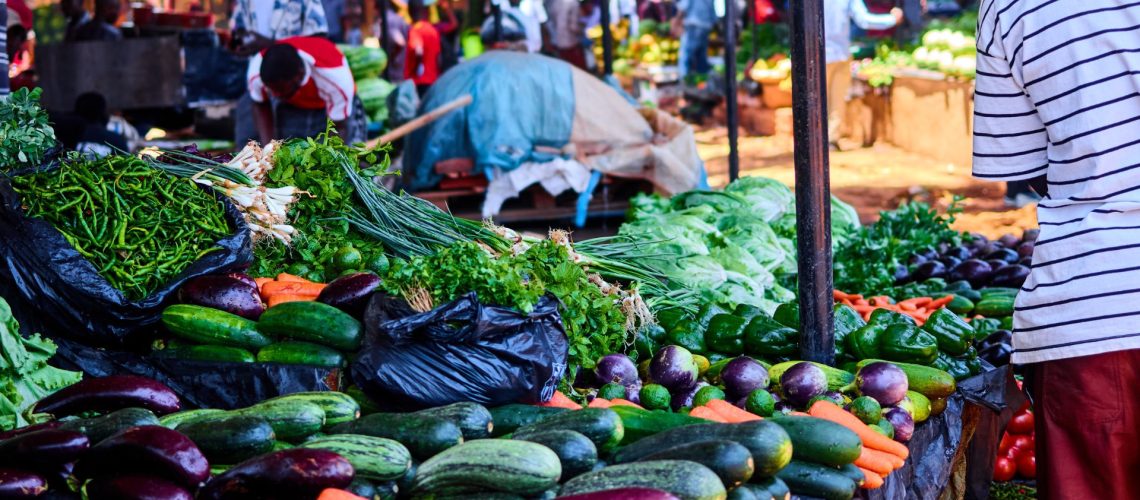
As cities continue to grow, feeding urban populations has become a major challenge.
Millions of people depend on reliable access to fresh vegetables, fruits, grains, tubers, meat, and other food products every day. Yet, behind every plate of food in a city is a complex system involving farmers, traders, transporters, wholesalers, retailers, restaurants, households, and logistics providers.
Local produce markets play an important role within this system. They connect food producers with urban consumers while creating opportunities for small businesses and supporting local economies. In many African cities, these markets remain essential sources of affordable and fresh food.
From open-air markets in Lagos to produce markets in Nairobi and Accra, local markets help cities maintain food flows even as populations expand. Their importance goes beyond shopping. They contribute to food security, employment, affordability, community connections, and the resilience of urban food systems.
What Are Local Produce Markets?
Local produce markets are places where farmers, growers, wholesalers, traders, and other suppliers sell food products directly or through short supply chains to consumers and businesses.
Depending on the location, these markets may sell:
- Fresh vegetables
- Fruits
- Tubers and root crops
- Grains and cereals
- Beans and legumes
- Herbs and spices
- Eggs and other farm products
- Locally produced food items
Some markets operate daily, while others may have specific market days. They can range from large urban wholesale markets to smaller neighborhood markets serving surrounding communities.
Their proximity to consumers makes them an important part of the urban food network.
Local Markets Connect Cities With Rural Producers
Cities depend heavily on surrounding rural and agricultural communities for food. Farmers grow and harvest products, but those products need reliable channels to reach consumers.
Local produce markets provide one of those channels.
A farmer can supply vegetables to a city market, where traders distribute them to households, restaurants, food vendors, hotels, and other businesses. This connection creates a chain of economic activity that links rural production with urban consumption.
Without effective connections between these two environments, food may become more difficult or expensive to distribute.
They Improve Access to Fresh Food
Fresh food can lose quality when it spends too much time in transportation or storage. Local markets can shorten the distance between producers and consumers, particularly when farmers from nearby communities supply them.
Consumers can often find seasonal vegetables, fruits, and other products shortly after harvest. Restaurants and food vendors can also purchase fresh ingredients regularly instead of relying entirely on long-distance suppliers.
This access matters because urban residents need dependable sources of nutritious food.
For many families, neighborhood produce markets also provide a convenient alternative to travelling long distances to purchase basic ingredients.
Local Produce Markets Support Food Affordability
Food prices depend on several factors, including production costs, transportation, storage, fuel prices, demand, weather, and the number of intermediaries involved in distribution.
Local markets cannot eliminate these pressures, but they can create more direct connections between suppliers and buyers.
Consumers may also have opportunities to compare prices between different sellers. In addition, shoppers can negotiate prices or purchase larger quantities when appropriate.
For households managing tight budgets, these options can make a significant difference.
Buying seasonal produce can provide another advantage. When farmers have abundant supplies, certain fruits and vegetables may become more affordable because sellers have larger quantities available.
They Create Jobs and Small Business Opportunities
Local produce markets support much more than farmers.
They create opportunities for:
- Market traders
- Food vendors
- Transporters
- Loaders
- Warehouse operators
- Retailers
- Packaging suppliers
- Cleaning workers
- Food processors
- Delivery businesses
- Small restaurants
A single market can therefore support a wide network of livelihoods.
This is particularly important in growing African cities, where informal and small-scale businesses play an important role in employment and household income.
When consumers spend money at local markets, part of that money continues circulating within the local economy.
Markets Help Reduce Dependence on Long Supply Chains
Long food supply chains can become vulnerable when transportation networks experience disruptions.
Fuel price increases, road problems, extreme weather, border restrictions, political disruptions, or other unexpected events can affect the movement of food.
Local and regional markets provide additional channels through which food can reach consumers.
They do not completely protect cities from supply disruptions. However, a diverse food system with multiple suppliers and distribution routes can have more options when one part of the system experiences difficulties.
This makes local markets an important component of urban food resilience.
They Help Farmers Reach Larger Consumer Markets
Producing food is only one part of farming. Farmers also need reliable buyers.
Urban produce markets can give farmers access to large populations of consumers. Instead of selling only within their immediate communities, producers can reach traders who supply urban neighborhoods.
This can encourage agricultural production because farmers have a clearer market for their products.
However, farmers may still face challenges such as unstable prices, high transportation costs, post-harvest losses, and limited access to storage. Improving market infrastructure can therefore benefit both producers and consumers.
Local Markets Preserve Seasonal and Cultural Foods
Food systems are not only about calories and prices. They also reflect culture.
Local markets often carry ingredients associated with traditional meals, festivals, family gatherings, and regional cuisines.
In African cities, shoppers may find indigenous vegetables, locally grown fruits, traditional grains, tubers, spices, and other ingredients that may be difficult to find in highly standardized retail environments.
These products help maintain connections between urban populations and agricultural traditions.
They also give younger generations opportunities to remain familiar with foods that form part of their cultural heritage.
They Support Restaurants and Food Businesses
Restaurants, caterers, street-food vendors, hotels, schools, and other food businesses need reliable supplies of ingredients.
Local produce markets can serve as important purchasing points for these businesses.
A restaurant may buy vegetables, peppers, onions, tomatoes, plantains, potatoes, or other ingredients in bulk. A small food vendor can purchase only what is needed for the day’s operations.
This flexibility is especially useful for smaller businesses that may not have large storage facilities.
Local Markets Can Help Reduce Food Waste
Food waste remains a major challenge across food supply chains. Produce can spoil because of poor storage, excessive harvesting, transportation delays, inadequate packaging, or weak demand.
Local markets can help reduce some forms of waste by moving food to consumers more quickly. Traders may also sell imperfect fruits and vegetables that supermarkets might reject because of appearance.
However, markets need appropriate infrastructure to maximize this benefit.
Better cold storage, clean water, improved transportation, appropriate packaging, and reliable waste collection can help protect food quality and reduce losses.
Urban Planning Should Consider Food Markets
As cities expand, markets sometimes face pressure from new roads, housing developments, commercial buildings, and other forms of urban development.
Removing or relocating a market without considering how residents will obtain food can create unintended problems.
Urban planners therefore need to treat food markets as part of essential city infrastructure.
A functional food market needs more than stalls. It may require:
- Accessible roads
- Safe pedestrian routes
- Drainage
- Clean water
- Waste management
- Storage facilities
- Loading and unloading areas
- Electricity
- Sanitation facilities
- Adequate security
When cities invest in these features, markets can operate more efficiently and provide better experiences for both sellers and consumers.
Technology Is Changing Local Produce Markets
Technology is also creating new possibilities for local food distribution. Farmers and traders can use mobile phones to communicate with buyers, check prices, coordinate deliveries, and advertise available produce.
Digital payment systems can make transactions easier, while delivery platforms can connect consumers with markets without requiring them to travel.
Restaurants can also use digital ordering systems to coordinate bulk purchases.
These innovations do not necessarily replace traditional markets. Instead, they can strengthen the connection between physical markets and modern urban consumers.
How Cities Can Strengthen Local Produce Markets
Governments, communities, businesses, and market associations can work together to improve local markets.
Some practical measures include:
1. Improve Market Infrastructure
Better roads, drainage, sanitation, lighting, storage, and waste-management systems can make markets safer and more efficient.
2. Strengthen Farmer-to-Market Connections
Better transportation and organized distribution networks can help farmers move produce into cities faster.
3. Invest in Storage
Cold rooms, warehouses, and appropriate storage facilities can extend the shelf life of perishable products.
4. Support Small Traders
Affordable market spaces, business training, financial services, and fair market regulations can help small traders operate more sustainably.
5. Improve Food Safety
Clean water, proper handling practices, sanitation facilities, and food-safety education can protect consumers and sellers.
6. Include Markets in Urban Development Plans
City authorities should consider where residents buy food when designing new neighborhoods, transportation systems, and commercial areas.
The Future of City Food Systems
African cities will continue to grow, and their food needs will grow alongside them. This makes efficient, resilient, and inclusive food systems increasingly important.
Local produce markets will remain part of that picture. They connect farmers with consumers, support businesses, create employment, and provide access to fresh food.
Their future, however, depends partly on how cities invest in them. Traditional markets can benefit from better infrastructure and technology without losing the accessibility and community connections that make them valuable.
A modern city food system does not necessarily need to choose between traditional markets and modern retail. Instead, both can contribute to a diverse network that gives consumers more options and gives producers more routes to market.
Conclusion
Local produce markets matter because they keep food moving between farms and cities. They support farmers, traders, restaurants, families, and countless other businesses while helping urban residents access fresh and often affordable food.
As African cities become larger and more complex, these markets should be viewed as important parts of urban infrastructure rather than simply places where people shop.
Investing in stronger local markets can contribute to more connected, resilient, and inclusive city food systems. With better infrastructure, storage, transportation, sanitation, and digital tools, local produce markets can continue serving growing urban populations while supporting the communities that depend on them.
