

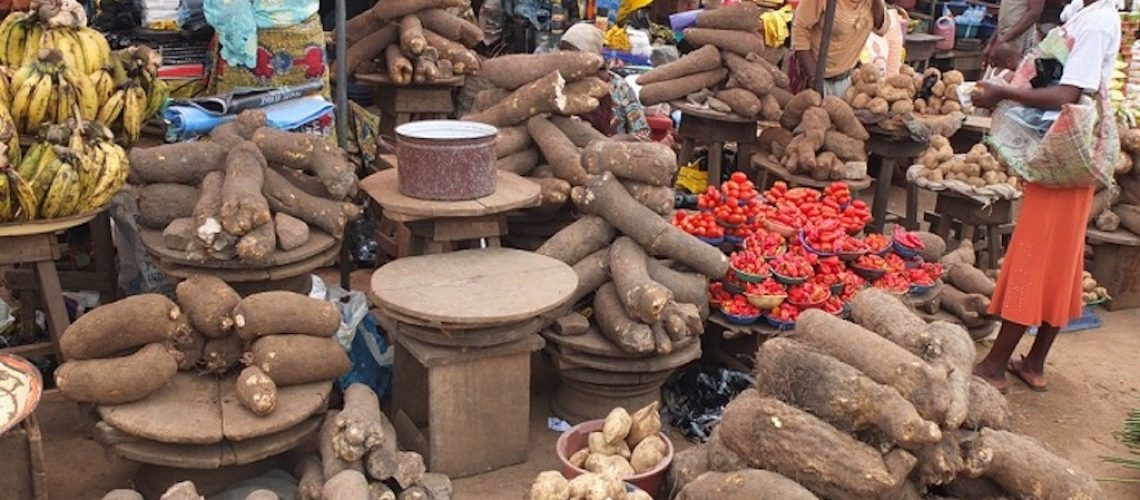
Economic pressure can change the way people earn, spend, shop, and manage their daily needs.
When inflation rises, household incomes become tighter, transportation costs increase, or essential goods become more expensive, local markets often feel the impact immediately.
Across Africa, however, local markets have repeatedly demonstrated an ability to adapt. Traders adjust their stock, customers change buying habits, and communities develop new ways to access essential goods. These changes may look small, but together they help markets continue serving their communities during difficult economic periods.
From open-air markets in Lagos to neighbourhood trading centres in Nairobi and Accra, local markets remain important parts of everyday economic life. Their ability to respond to changing circumstances also offers useful lessons about flexibility, community support, and practical business management.
Adjusting Product Quantities
One of the simplest ways markets respond to economic pressure is by changing the quantities in which products are sold.
When customers cannot afford large purchases, traders may offer smaller portions. Instead of buying a large quantity of rice, beans, cooking oil, spices, or other household products, consumers can purchase enough for a few days or a single meal.
This approach helps customers manage limited cash while allowing traders to maintain sales.
For example, a household that previously bought several litres of cooking oil at once may begin purchasing smaller quantities. Similarly, consumers may buy individual food items rather than full baskets of produce.
Smaller units can therefore keep products accessible when purchasing power declines.
Changing Product Selection
Economic pressure can also influence what traders choose to stock.
When customers reduce spending on expensive products, sellers may shift toward goods that remain affordable and in demand. A food vendor, for instance, may stock more staple foods while reducing the amount of premium or less frequently purchased products.
This flexibility allows traders to respond to customer behaviour rather than maintaining the same inventory regardless of economic conditions.
Local knowledge plays an important role here. Market traders often interact with customers every day, giving them a direct understanding of which products people still want and which ones they are avoiding.
Encouraging Bargaining and Flexible Pricing
Negotiation has long been part of many African markets, but economic pressure can make flexible pricing even more important.
Customers may compare prices between different sellers before making a purchase. Traders, in turn, may negotiate with regular customers, offer discounts for larger purchases, or adjust prices depending on supply and demand.
Some sellers may also create informal customer incentives. A trader could offer an additional item, reduce the price slightly, or provide a flexible payment arrangement for a trusted customer.
These practices can help maintain relationships between buyers and sellers during periods when both sides face financial pressure.
Buying From Different Suppliers
Rising costs can encourage traders to reconsider where they source their products. A seller who previously depended on one supplier may begin comparing several wholesalers or producers. Others may purchase directly from farmers, manufacturers, or larger distribution centres when doing so reduces costs.
This strategy can help traders manage changing wholesale prices and avoid relying too heavily on a single supply channel.
For agricultural products, sourcing locally can sometimes provide another advantage. When transport and logistics costs rise, buying from producers closer to the market may reduce some expenses.
Strengthening Community-Based Buying
Economic pressure can encourage consumers to cooperate. Families, neighbours, religious groups, associations, and community organisations may combine their purchasing power to buy goods in larger quantities. Bulk buying can sometimes provide better prices than individual purchases.
For example, several households might contribute money to purchase a larger quantity of rice, beans, cooking oil, or other staples and then divide the goods among themselves.
This approach spreads the cost across several people and can make essential products more accessible.
Community-based buying also demonstrates that local markets are not only places where transactions happen. They can become spaces where people exchange information, coordinate purchases, and find practical solutions to financial challenges.
Embracing Digital Payments
Technology has also changed how local markets operate during periods of economic pressure. Mobile money, bank transfers, point-of-sale terminals, and other digital payment methods can make transactions more convenient. Customers do not always need to carry large amounts of cash, while traders can keep better records of some transactions.
Digital payments can also support small businesses that want to serve customers beyond their immediate market location.
A trader who receives orders through WhatsApp, for example, may arrange payment digitally and organise delivery to customers within the surrounding neighbourhood.
This creates opportunities for traditional market businesses to combine physical trading with digital commerce.
Reducing Waste and Managing Stock More Carefully
When operating costs increase, wasting products becomes more expensive. Market traders may therefore become more careful about how much stock they purchase. Sellers of vegetables, fruits, meat, and other perishable goods have to consider how quickly products will sell before buying additional inventory.
Better stock management can reduce losses and protect profit margins.
Some traders may also sell products at reduced prices when they are approaching the end of their ideal selling period. Although the seller earns less on those products, recovering part of the investment can be better than allowing the goods to become unsellable.
Building Stronger Relationships With Customers
During difficult economic periods, customer relationships become particularly important. People often return to traders they trust, especially when they believe those sellers offer fair prices and reliable products.
A trader who communicates clearly about price changes can maintain customer confidence more effectively than one who changes prices without explanation.
Regular customers may also receive flexible service, such as reserved goods, customised quantities, or advance information about price changes.
Trust therefore becomes an important form of economic value within local markets.
Exploring New Sales Channels
Economic pressure can encourage market traders to look beyond traditional stalls. Some businesses now use social media platforms and messaging applications to advertise products, receive orders, and communicate with customers. Others partner with delivery riders or local logistics businesses.
A trader selling clothing, food products, household goods, or beauty items can potentially reach customers outside the physical market.
This shift does not necessarily mean abandoning traditional markets. Instead, it creates a hybrid model where physical trading and digital communication support each other.
Learning From Changing Consumer Behaviour
Perhaps one of the most important adaptations is the ability to understand changing customer priorities.
When money becomes tighter, consumers often become more deliberate about spending. They may compare prices, switch brands, purchase smaller quantities, or prioritise essential goods.
Market traders who pay attention to these changes can adjust their businesses accordingly.
A seller may discover that customers want affordable alternatives rather than premium products. Another may find that customers prefer weekly purchases instead of monthly bulk shopping.
Understanding these patterns can help small businesses remain relevant.
The Role of Local Markets in Economic Resilience
Local markets do more than facilitate buying and selling. They support livelihoods, connect producers with consumers, create informal employment, and provide access to essential goods.
Their ability to adapt during economic pressure reflects the resilience of many small businesses and communities across Africa.
However, adaptation does not remove every challenge. Traders can still face rising transport costs, supply shortages, currency fluctuations, reduced consumer spending, and increased operating expenses.
Support from financial institutions, local authorities, business organisations, and community groups can therefore help small traders improve their ability to manage economic shocks.
Access to affordable financing, reliable infrastructure, storage facilities, digital tools, market information, and efficient transportation can make a significant difference.
Conclusion
Economic pressure forces local markets to change, but it also encourages creativity and flexibility. Traders adjust product quantities, reconsider suppliers, manage inventory more carefully, adopt digital payments, explore new sales channels, and strengthen relationships with customers. Consumers also adapt by changing what they buy, how much they purchase, and how they organise their spending.
Across African communities, these everyday adjustments demonstrate the importance of local markets in maintaining access to goods and supporting livelihoods.
As economic conditions continue to change, the ability to listen to customers, manage resources carefully, embrace useful technology, and work collaboratively will remain essential for local markets seeking to remain active and accessible.
