

Food is one of the most important parts of every household budget.
Yet, a surprising amount of food can go to waste before anyone eats it. Vegetables spoil in the refrigerator, cooked meals remain untouched, fruits become overripe, and forgotten groceries eventually end up in the bin.
For many African households, reducing food loss is not only an environmental issue. It can also help families save money, manage groceries better, and make the most of the food they already have.
The good news is that reducing household food loss does not require complicated systems. Small changes in how you shop, store, cook, and use leftovers can make a significant difference.
1. Plan Meals Before Shopping
One of the easiest ways to reduce food loss is to plan meals before buying groceries.
Take a few minutes to think about what the household will eat during the coming days. Check what is already available in the kitchen before creating a shopping list.
For example, if you already have rice, beans, tomatoes, onions, and vegetables, you may only need to buy a few additional ingredients.
Meal planning also prevents impulse purchases. Instead of buying several items because they look appealing at the market or supermarket, you can focus on what the household actually needs.
2. Check Your Kitchen Before Buying More
Many households purchase food they already have.
This can happen when groceries are stored in different cupboards, refrigerators, or containers. A quick kitchen check before shopping can prevent unnecessary purchases.
Look through your:
- Refrigerator
- Freezer
- Pantry
- Kitchen cabinets
- Food storage containers
Pay particular attention to foods that need to be used soon.
Creating a simple “use first” section in your refrigerator can also help. Place foods that are nearing their best quality where everyone can see them.
3. Buy According to Household Needs
Buying food in bulk can save money, but only when the household can use the food before it spoils.
This is particularly important for fresh produce, bread, dairy products, and other perishable foods.
Buying five baskets of tomatoes may seem economical when prices are low. However, if the household only needs two baskets and cannot preserve the rest, the apparent saving may disappear when some of the tomatoes spoil.
For foods that spoil quickly, buy quantities that match your household’s consumption.
4. Store Food Properly
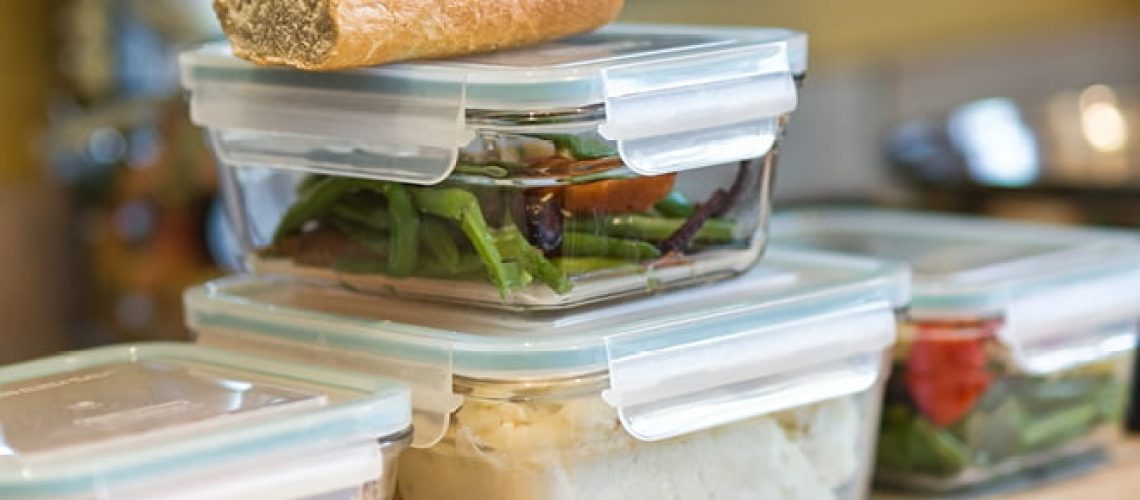
Good storage can significantly extend the usable life of food. Different foods require different storage conditions. Some vegetables last longer in a cool environment, while others need refrigeration. Dry foods require clean, dry, and well-sealed containers.
Keep grains, flour, beans, and other dry ingredients away from moisture and pests. Use airtight containers where appropriate.
For fresh produce, avoid storing everything together without considering its storage needs. Some fruits release natural gases that can speed up the ripening of nearby produce.
5. Understand Food Dates
Food labels can sometimes cause unnecessary waste. There is a difference between a date that relates to quality and one that indicates a genuine food-safety concern. Households should read food labels carefully rather than automatically throwing away food simply because a printed date has passed.
When unsure about a particular product, follow the manufacturer’s storage instructions and use reliable food-safety guidance.
The goal is to avoid both unnecessary waste and unsafe consumption.
6. Use Leftovers Creatively
Leftovers do not have to mean eating exactly the same meal repeatedly. Cooked rice can become fried rice. Leftover vegetables can become part of a stew, soup, omelette, or sauce. Extra beans can be incorporated into another meal.
For example, leftover grilled chicken can become a sandwich filling, rice topping, or ingredient in a vegetable dish.
Creative leftover cooking allows households to turn yesterday’s meal into something different instead of allowing it to sit forgotten in the refrigerator.
7. Freeze Food Before It Spoils
Freezing can help households preserve many foods for longer. If you realise that you will not use meat, fish, bread, cooked meals, or certain prepared ingredients soon, consider freezing them when appropriate.
Divide food into practical portions before freezing. This makes it easier to remove only what the household needs.
Remember to label containers with the food name and date. This helps prevent forgotten items from staying in the freezer for too long.
8. Learn Simple Preservation Methods
Freezing is not the only way to extend the life of food. Depending on the food, households can use methods such as drying, fermentation, pickling, or other appropriate preservation techniques.
African households have traditionally used several food-preservation methods to make seasonal foods last longer. Learning and maintaining these practices can reduce dependence on throwing away excess produce.
For example, surplus fruits can sometimes be processed into drinks, sauces, jams, or other foods rather than being left to spoil.
9. Cook the Right Portions
Cooking too much food is another common source of household food loss. It can be tempting to prepare large quantities, particularly when cooking for a family or group. However, consistently preparing more food than people can eat creates unnecessary leftovers.
Pay attention to how much your household usually consumes.
You do not have to measure every ingredient precisely. Over time, you can develop a better understanding of how much rice, pasta, yam, vegetables, meat, or other ingredients your household actually needs.
10. Keep an Eye on Fruits and Vegetables
Fresh produce often has a short shelf life.
Instead of waiting until fruits and vegetables become visibly spoiled, monitor them regularly.
If bananas are becoming very ripe, for example, they can be used in smoothies, pancakes, or other recipes. Soft tomatoes can be cooked into sauces. Overripe fruits can sometimes be processed before they deteriorate further.
The key is to notice changes early.
A five-minute kitchen check every few days can prevent a significant amount of produce from being wasted.
11. Organise Your Refrigerator and Pantry
An organised kitchen makes food easier to find.
When food disappears behind other containers, households may forget about it until it is no longer usable.
Arrange older products toward the front and newer products toward the back. This simple system encourages the household to use older items first.
You can also group similar foods together. Keep grains together, sauces together, snacks together, and frequently used ingredients in accessible areas.
12. Share Excess Food
Sometimes a household simply has more food than it can consume.
Instead of allowing good food to spoil, consider sharing suitable excess food with relatives, neighbours, friends, community groups, or others who can safely use it.
This can be especially useful after celebrations, family gatherings, religious events, or large cooking occasions.
However, food should only be shared when it has been handled and stored safely.
13. Turn Food Scraps Into Useful Resources
Not every food scrap needs to go directly into the rubbish bin.
Some vegetable scraps can be used to prepare stocks or broths, depending on the ingredients and food-safety considerations. Suitable organic waste can also be composted where facilities and conditions allow.
Households with gardens may find composting particularly useful because food scraps can contribute to organic matter for soil.
The important principle is to distinguish between food that can still be eaten, food that can be reused in cooking, and waste that should be composted or discarded safely.
14. Teach Everyone in the Household
Reducing food loss should not be the responsibility of one person.
Children, teenagers, adults, and other household members can all participate.
Teach family members simple habits such as taking reasonable portions, closing food containers properly, checking the refrigerator, and saving suitable leftovers.
When everyone understands the value of food, waste becomes easier to control.
15. Track What Gets Wasted
If you want to make meaningful improvements, pay attention to what your household throws away.
For one or two weeks, make a simple note of discarded foods.
You might discover that your household regularly wastes:
- Bread
- Fresh vegetables
- Cooked rice
- Fruits
- Leftover meals
- Dairy products
Once you identify the biggest sources of waste, you can address them directly.
If bread is frequently wasted, buy smaller quantities or freeze some of it. If vegetables spoil regularly, reduce the amount purchased or change how they are stored.
Conclusion
Reducing household food loss starts with simple everyday decisions. Planning meals, shopping carefully, storing food correctly, using leftovers, freezing suitable foods, and monitoring what gets wasted can help households make better use of their groceries.
These habits can also reduce unnecessary spending. When families use more of the food they purchase, every shopping trip becomes more efficient.
Across Africa, where households often rely on fresh market produce and carefully manage food budgets, reducing food loss can be particularly valuable. It combines traditional knowledge with practical modern habits to create kitchens that are more organised, economical, and sustainable.
The goal is not to achieve a completely waste-free kitchen overnight. Instead, start by identifying one source of food loss and changing the habit behind it. Small improvements, repeated consistently, can make a meaningful difference over time.
