

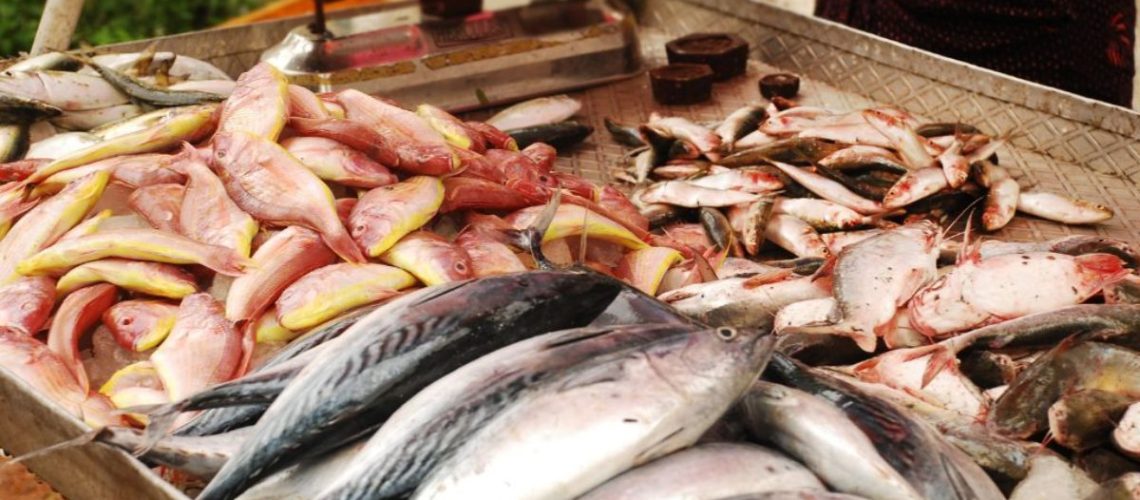
Fresh fish and meat are important sources of protein for many African households.
However, rising food prices, transportation costs, storage challenges, and unpredictable market conditions can make regular purchases difficult for families.
One practical response is community buying.
Instead of several households purchasing small quantities separately, a group can combine its purchasing power to buy larger quantities directly from trusted sellers, wholesalers, fishers, farmers, or meat suppliers. The goods can then be divided among participating households according to an agreed system.
When properly organised, community buying can help households control costs, save shopping time, and improve access to fresh food.
What Is Community Buying?
Community buying is a system where several people combine their money and purchasing needs to buy products in larger quantities.
For example, ten households in the same neighbourhood may agree to purchase a large quantity of fresh fish every Saturday. One or two members can coordinate the order, collect payments, purchase the fish, and distribute the portions among participating households.
The same approach can work for beef, chicken, goat meat, seafood, or other fresh products.
The model is particularly useful when buying larger quantities results in better prices or reduces transportation and delivery costs.
Why Fresh Fish and Meat Can Benefit From Group Buying
Fresh protein products often require careful handling. Households may also have limited bargaining power when buying small quantities.
A coordinated group can potentially negotiate better purchasing arrangements.
For example, a fish seller may be more willing to offer a better price to a group purchasing 20 kilograms than to an individual buying one or two kilograms.
The group may also save on transportation if one delivery serves several households.
However, savings should never be assumed. The group should compare the total cost, including transportation, packaging, cleaning, storage, and other expenses.
1. Neighbourhood Buying Groups
The simplest model involves households within the same community.
A group of five to twenty households can agree on:
- What product they want
- How much they need
- How frequently they will buy
- Their preferred supplier
- The payment deadline
- How products will be divided
- Who will coordinate the purchase
A neighbourhood WhatsApp group can make communication easier.
For instance, the coordinator could post the weekly price and available quantities before collecting orders.
This prevents people from contributing money without knowing exactly what they are purchasing.
2. Family-Based Buying
Community buying does not always require unrelated households.
Extended families can also organise shared purchases.
Siblings, cousins, parents, and other relatives living within the same city can combine their orders and purchase larger quantities.
This model may be easier to manage because family members may already have established communication channels and some level of trust.
The group should still keep clear records of contributions and distributions.
Good relationships do not eliminate the need for transparency.
3. Cooperative Buying
A more structured approach is a food-buying cooperative.
Members contribute regularly and the cooperative negotiates with suppliers on behalf of the group.
For fresh fish and meat, the cooperative could establish relationships with several suppliers rather than depending entirely on one seller.
This creates an opportunity to compare prices, quality, availability, and delivery arrangements.
A cooperative can also establish simple standards for product quality and handling.
4. Buying Directly From Producers
Where practical, community groups can explore direct purchasing from fishers, farmers, livestock producers, or organised producer groups.
Removing unnecessary intermediaries may create opportunities for better prices.
However, direct purchasing also introduces additional responsibilities.
The group may need to arrange transportation, cleaning, weighing, packaging, and cold storage.
The cheapest supplier is therefore not necessarily the cheapest overall option.
The group should calculate the total landed cost before deciding.
5. Bulk Fish Buying
Fish can be particularly suitable for organised purchasing because different households may want different quantities. A group could purchase a larger batch and divide it according to weight.
For example, if ten households collectively purchase 20 kilograms of fish, each household could receive an agreed quantity based on its contribution.
The fish should be weighed before distribution rather than divided visually.
Using a reliable scale can prevent disagreements and make the system more transparent.
6. Shared Meat Purchasing
The same principle can apply to meat.
A group might purchase beef, goat meat, chicken, or other products in bulk.
However, meat cuts require special attention.
Different parts of an animal may have different prices and different levels of demand. Group members should therefore agree in advance on whether they will receive equal weights, specific cuts, or a mixture of products.
If members have different preferences, the group can create separate orders rather than forcing everyone into the same package.
7. Subscription-Based Food Buying
Another model is a weekly or monthly subscription. Members pay a fixed amount before a particular purchasing date. The coordinator then uses the available funds to purchase the agreed products.
For example, a household could subscribe to receive a weekly protein package.
One week might include fish, while another could include chicken or beef.
This approach makes household food planning easier because families know approximately what they will receive and how much they will spend.
However, suppliers should communicate clearly if prices or quantities change.
8. Pre-Order Systems
Pre-orders can reduce waste.
Instead of buying a large quantity and looking for buyers afterward, the coordinator collects confirmed orders first.
Suppose a group has 15 households. Each household states how much fish it wants before the purchasing day.
The coordinator adds the quantities and places one consolidated order.
This reduces the risk of purchasing too much food.
It can also help the supplier prepare the order more efficiently.
Food Safety Must Come First
Community buying should never compromise food safety.
Fresh fish and meat are highly perishable and require appropriate handling from the point of purchase to the consumer’s refrigerator or freezer.
Groups should consider:
- Clean handling surfaces
- Appropriate packaging
- Reliable transportation
- Temperature control
- Quick distribution
- Proper refrigeration or freezing
- Clean storage containers
- Clear supplier standards
Members should also avoid leaving fresh meat or fish at room temperature for extended periods.
Where a group lacks appropriate storage facilities, it may be safer to organise smaller and more frequent purchases.
Transparency Is Essential
Money can become a major source of conflict in community buying groups.
A coordinator should therefore maintain simple records showing:
- Who ordered
- How much each person contributed
- What was purchased
- The total cost
- Transportation or handling expenses
- Each person’s final allocation
Digital payment records can make contributions easier to track.
The group should also agree on what happens when someone pays late, cancels an order, or fails to collect their portion.
Clear rules prevent small misunderstandings from becoming larger disputes.
Choosing the Right Supplier
A successful buying group depends heavily on reliable suppliers.
Before committing to a supplier, members should consider:
- Product freshness
- Pricing
- Weighing accuracy
- Hygiene
- Reliability
- Delivery arrangements
- Product availability
- Communication
- Ability to handle larger orders
Groups should not be afraid to compare suppliers periodically.
Competition can help keep pricing and service standards reasonable.
How Community Buying Can Help Households
When properly managed, group purchasing can offer several practical benefits.
Potential cost savings
Larger orders may create opportunities for bulk pricing.
Less shopping time
One coordinated purchase can reduce the number of individual market trips.
Better planning
Families can plan meals around known purchasing schedules.
Stronger bargaining power
A group can sometimes negotiate more effectively than an individual buyer.
Support for local suppliers
Buying groups can create predictable demand for local fishers, farmers, butchers, and traders.
Reduced unnecessary transportation
One delivery can potentially serve several households.
Challenges to Consider
Community buying is not automatically successful.
Groups can face disagreements over money, quality, quantities, delivery times, or supplier choices.
Fresh products also create additional challenges because they can spoil quickly.
Another problem is unequal demand. One household may want two kilograms while another only needs 500 grams.
For this reason, the group should remain flexible.
A good community buying system does not simply divide everything equally. It creates a fair process for meeting different household needs.
A Simple Community Buying Model
A neighbourhood could start with a small pilot.
Step 1: Find five to ten interested households.
Step 2: Agree on the type of fish or meat to purchase.
Step 3: Collect estimated quantities from each household.
Step 4: Compare at least two or three suppliers.
Step 5: Calculate the complete cost.
Step 6: Collect payment before purchasing.
Step 7: Purchase and transport the products safely.
Step 8: Weigh and divide the products transparently.
Step 9: Record the outcome.
Step 10: Ask members what should improve before the next purchase.
Starting small allows the group to identify problems before handling larger amounts of money or food.
Community Buying Can Make Food Shopping More Practical
Buying fresh fish and meat does not always have to be an individual household responsibility. Neighbourhoods, families, cooperatives, churches, associations, workplaces, and community groups can explore organised purchasing models that match their needs.
The most successful systems are likely to be those built around clear records, trusted suppliers, fair distribution, food safety, and open communication.
Community buying is not simply about purchasing more food. It is about organising demand more efficiently.
When people combine their purchasing power responsibly, they can potentially reduce shopping stress, improve planning, support local food businesses, and make fresh protein more accessible to participating households.
