

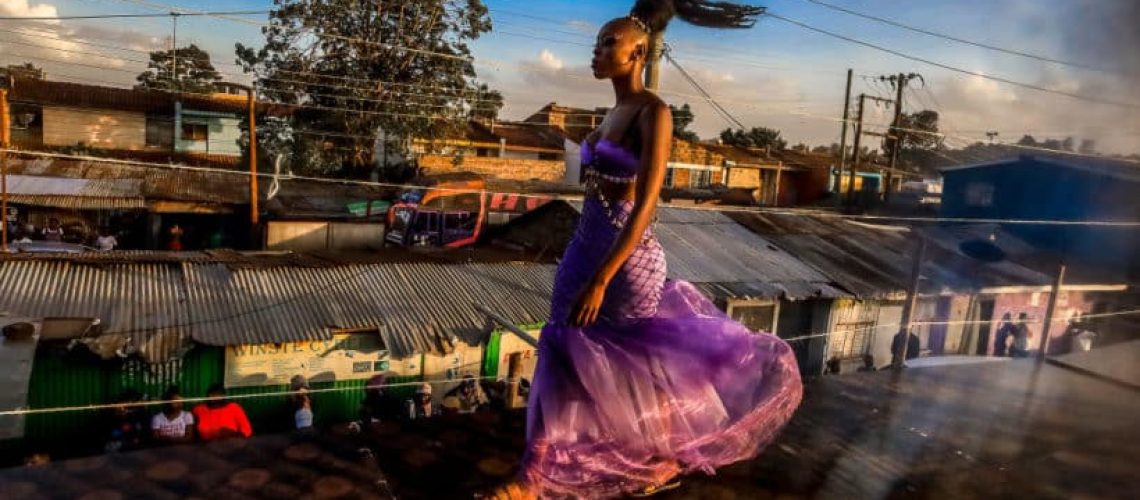
Africa’s fashion industry continues to attract global attention through its vibrant textiles, innovative designers, traditional craftsmanship, and growing creative communities.
Across the continent, several cities have developed distinctive fashion identities. From Lagos’s contemporary streetwear to Dakar’s elegant tailoring and Johannesburg’s experimental designs, these urban centres offer unique perspectives on African style.
Local fashion scenes do more than influence clothing trends. They create employment, support small businesses, preserve cultural heritage, and provide opportunities for young designers to showcase their creativity. As African consumers increasingly embrace locally made products, these cities continue to shape the continent’s fashion future.
1. Lagos, Nigeria: A Hub for Contemporary African Fashion
Lagos has one of West Africa’s most visible fashion communities. Its fashion scene combines traditional Nigerian clothing with contemporary design, streetwear, luxury fashion, and everyday urban style.
Designers frequently reinterpret fabrics such as Ankara, Aso-Oke, adire, and lace to create modern outfits. These designs appear at weddings, cultural celebrations, fashion events, and social gatherings. Meanwhile, young creatives experiment with oversized silhouettes, bold accessories, sneakers, and locally inspired streetwear.
Events such as Lagos Fashion Week provide platforms for designers to present their collections, connect with buyers, and attract international attention. Beyond established fashion houses, independent tailors, textile traders, stylists, photographers, and fashion content creators contribute to the city’s creative economy.
Lagos also benefits from its large consumer market. Fashion entrepreneurs can reach customers through physical boutiques, markets, social media, and online stores. However, high production costs, unreliable electricity, and access to financing remain challenges for many local businesses.
2. Accra, Ghana: Where Heritage Meets Modern Style
Accra has built a distinctive fashion identity around Ghanaian textiles, contemporary tailoring, and youthful creative expression.
Kente remains one of the country’s most recognisable textiles. Traditionally associated with particular cultural and ceremonial contexts, it now appears in a variety of contemporary garments and accessories. Designers also work with African prints, handwoven fabrics, natural materials, and minimalist silhouettes.
The city’s fashion community includes established labels, independent designers, textile makers, and emerging entrepreneurs. Accra’s creative events and fashion showcases offer opportunities to introduce Ghanaian design to local and international audiences.
Street fashion also contributes to the city’s identity. Young people combine locally made garments with global influences, creating styles that reflect individual expression and changing urban culture.
For fashion businesses, Accra offers opportunities in ready-to-wear clothing, accessories, bespoke tailoring, and textile-based products. Designers who combine strong craftsmanship with reliable production and clear branding can reach customers beyond Ghana.
3. Dakar, Senegal: A Centre for Elegant African Tailoring
Dakar is widely recognised for its distinctive approach to fashion, particularly its emphasis on craftsmanship, flowing garments, and elegant tailoring.
Traditional Senegalese clothing, including the boubou, remains an important influence. Local tailors adapt these garments for contemporary lifestyles, using embroidery, detailed finishing, and carefully selected fabrics. The result is a fashion culture that respects tradition while allowing room for experimentation.
Dakar’s designers also draw inspiration from Senegalese cultural identity, contemporary art, music, and everyday city life. Their collections often demonstrate how traditional silhouettes can work in modern wardrobes.
The city has an active community of tailors, embroiderers, designers, and textile sellers. These professionals support a wider network of small businesses that supply clothing for ceremonies, professional occasions, and everyday wear.
Dakar’s fashion scene also contributes to cultural tourism. Visitors interested in Senegalese craftsmanship can explore local boutiques, markets, and workshops, although individual experiences vary by location.
4. Johannesburg, South Africa: Experimental Fashion and Streetwear
Johannesburg brings together diverse cultural influences, making it an important centre for South African fashion and design.
Its fashion community spans luxury clothing, contemporary ready-to-wear, streetwear, accessories, and experimental design. Designers often explore questions of identity, urban life, history, and social change through their work.
Streetwear plays a significant role in Johannesburg’s fashion culture. Sneakers, distinctive graphics, locally designed accessories, and unconventional combinations reflect the city’s music, nightlife, and youth communities.
Fashion platforms such as South African Fashion Week help connect designers with media, retailers, and buyers. Independent creative businesses also use digital platforms to reach audiences across the country and beyond.
Johannesburg’s established retail sector offers opportunities for fashion entrepreneurs. At the same time, designers must navigate competition, production expenses, and the challenge of turning creative recognition into sustainable sales.
5. Nairobi, Kenya: A Growing Home for Sustainable and Contemporary Design
Nairobi’s fashion scene reflects Kenya’s cultural diversity and its growing community of designers, entrepreneurs, and independent creatives.
Local designers work with colourful prints, natural fibres, recycled materials, and contemporary silhouettes. Some draw on traditional Kenyan beadwork and craft techniques, while others focus on minimalist clothing, everyday essentials, and modern streetwear.
Sustainability has also become an area of interest for parts of Nairobi’s creative community. Designers and small businesses experiment with upcycling, second-hand clothing, and responsible production practices. These approaches connect fashion with wider conversations about waste reduction and resource use.
The city offers opportunities through boutiques, pop-up markets, creative events, and online retail. These channels help emerging designers introduce their products without immediately investing in large physical stores.
Nairobi’s fashion entrepreneurs still face obstacles, including access to affordable materials, manufacturing capacity, and consistent funding. Nevertheless, the city’s combination of entrepreneurial activity and creative talent continues to support its evolving fashion identity.
6. Abidjan, Côte d’Ivoire: A Blend of Glamour and Urban Style
Abidjan has a lively fashion culture shaped by Ivorian creativity, West African textile traditions, music, and contemporary urban lifestyles.
The city’s fashion scene includes formal occasion wear, tailored outfits, modern African prints, luxury-inspired clothing, and everyday street fashion. Designers often combine traditional fabrics with contemporary cuts to create garments suited to both local events and international audiences.
Tailoring remains important, particularly for weddings, celebrations, and other social occasions. Skilled dressmakers and independent fashion labels serve customers who want distinctive garments rather than mass-produced clothing.
Abidjan’s entertainment industry also influences fashion trends. Musicians, performers, public personalities, and content creators help introduce new looks to wider audiences.
For emerging designers, the city offers potential in custom clothing, accessories, occasion wear, and locally produced ready-to-wear collections. Building a recognisable identity and maintaining consistent quality can help businesses develop loyal customers.
7. Casablanca, Morocco: Traditional Craft and Modern Design
Casablanca occupies an important place in Morocco’s contemporary fashion industry. The city combines a modern commercial environment with a broader national tradition of craftsmanship and textile production.
Moroccan fashion draws on garments such as the kaftan and djellaba, alongside embroidery, intricate embellishment, and detailed tailoring. Contemporary designers reinterpret these elements through modern cuts, simplified silhouettes, and new fabric combinations.
Casablanca’s urban fashion scene also includes international influences, contemporary retail, and modern ready-to-wear. This combination creates opportunities for designers who want to serve customers interested in both heritage-inspired and everyday clothing.
The city connects fashion businesses with commercial networks, suppliers, and retail customers. However, designers must balance the costs of skilled craftsmanship with the need to price their products competitively.
8. Kigali, Rwanda: Emerging Designers and Refined Minimalism
Kigali has a developing creative sector that includes fashion designers, tailors, artisans, and small clothing businesses.
Parts of its fashion scene favour clean silhouettes, carefully finished garments, and versatile pieces suitable for professional and social settings. Other designers incorporate colourful African prints, locally inspired accessories, and traditional craft techniques.
The city’s smaller market creates a different business environment from the larger fashion centres of Lagos and Johannesburg. Designers may need to build audiences through digital channels, regional partnerships, exhibitions, and direct customer relationships.
Kigali also offers opportunities for fashion businesses interested in locally made clothing, custom tailoring, and products for visitors. As the creative sector develops, collaboration and access to broader markets can help emerging labels expand.
How Local Fashion Scenes Support African Economies
Fashion contributes to urban economies through several connected activities. Designers need tailors, pattern makers, textile suppliers, photographers, models, marketers, retailers, and delivery services. As a result, a successful fashion business can support employment well beyond the design studio.
Local fashion also creates opportunities for preserving cultural knowledge. Traditional weaving, dyeing, embroidery, beadwork, and tailoring can reach new customers when designers adapt these skills to contemporary products.
Furthermore, digital platforms allow small brands to showcase collections, receive orders, and communicate directly with customers. This approach can reduce reliance on expensive retail locations, although businesses still need dependable production, payments, and delivery systems.
Fashion weeks, exhibitions, and creative collaborations also help connect local designers with regional and international markets. However, long-term growth depends on more than visibility. Businesses need access to finance, quality materials, skilled workers, and reliable supply chains.
How to Explore These Fashion Cities
Visitors and fashion enthusiasts can experience each city’s local style in different ways.
- Visit independent boutiques: Discover locally designed clothing, accessories, and textiles.
- Explore traditional markets: Find fabrics, handmade accessories, and materials used by local designers.
- Attend fashion events: Look for runway shows, pop-up exhibitions, and designer showcases.
- Meet local craftspeople: Learn about weaving, embroidery, dyeing, and tailoring traditions.
- Follow emerging brands online: Discover new designers and understand how local trends evolve.
When buying clothing, consider asking about the materials, production methods, and people behind the products. Supporting independent designers and skilled craftspeople can help sustain local creative businesses.
Conclusion
African cities express fashion through different combinations of heritage, craftsmanship, street culture, and contemporary design. Lagos brings together traditional textiles and modern urban style, while Accra celebrates Ghanaian craftsmanship. Dakar highlights elegant tailoring, Johannesburg explores experimental fashion, Nairobi supports diverse contemporary approaches, and Abidjan blends glamour with everyday creativity. Casablanca connects traditional Moroccan techniques with modern design, while Kigali continues to develop its own creative identity.
Together, these cities demonstrate that African fashion is not a single style. It is a diverse collection of local industries shaped by culture, entrepreneurship, and changing consumer preferences.
For designers, shoppers, and travellers, exploring these fashion centres offers an opportunity to discover original designs while learning about the people, traditions, and businesses behind them.
