

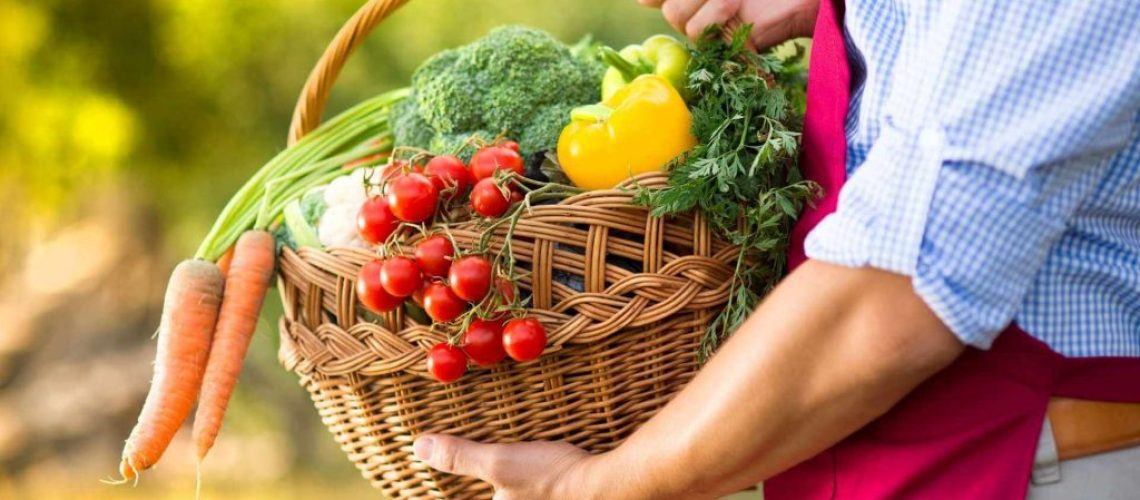
Access to healthy food remains a challenge for many households across Africa.
Rising food prices, transportation costs, limited market access and irregular incomes often make it difficult for families to maintain a balanced diet. Although fresh fruits, vegetables, grains, fish and other nutritious foods are available in many local markets, their prices can place them beyond the reach of some households.
Community buying offers a practical way to address this challenge. By joining forces, families, neighbours, workers, religious groups and community associations can purchase food in larger quantities, share transportation expenses and distribute the cost among participating members.
Beyond reducing household expenses, this approach can help communities improve their diets, reduce food waste and build stronger relationships with local farmers and food suppliers.
What Is Community Buying?
Community buying is a purchasing arrangement in which several people or households combine their money and shopping needs to buy food collectively. Instead of purchasing small quantities individually, members pool their resources to buy larger quantities directly from farmers, wholesalers, cooperatives or local markets.
For example, ten families in a neighbourhood might contribute money every week to purchase tomatoes, beans, rice, leafy vegetables, eggs and fresh fish. One or two representatives can coordinate the purchase, while members divide the food according to their contributions or agreed household needs.
This arrangement can operate informally among neighbours or through organised food cooperatives, community groups, workplaces, churches, mosques and resident associations.
The central idea is simple: when people buy together, they may gain access to prices and purchasing opportunities that individual households cannot easily secure.
1. Reducing the Cost of Nutritious Foods
One of the main benefits of community buying is its potential to reduce the cost of healthy food.
Retailers often sell food in small quantities at prices that include transportation, handling and other operating expenses. However, community buying groups can purchase directly from wholesalers or farmers, potentially reducing some of these additional costs.
Buying in bulk may also create opportunities to negotiate discounts, especially when a group orders regularly and purchases substantial quantities.
For example, a group of twenty households could jointly purchase a sack of beans, several baskets of tomatoes and a large quantity of seasonal vegetables. Rather than paying separate transportation costs, members share the delivery expenses.
These savings can make nutritious foods more affordable for families managing tight budgets.
However, discounts are not guaranteed. Groups should compare prices, transport expenses and food quality before making purchases to ensure that collective buying actually saves money.
2. Making Fresh Fruits and Vegetables More Accessible
Fresh produce plays an important role in a balanced diet. Fruits and vegetables provide essential vitamins, minerals, fibre and other nutrients that support general health.
Unfortunately, some households buy these foods less frequently because prices fluctuate or local retailers charge more than families can comfortably afford.
Community buying can help address this problem by connecting groups of consumers with farmers, produce aggregators and wholesale markets.
In Nigeria, for instance, a neighbourhood buying group could source tomatoes, peppers, onions and leafy vegetables from farmers or wholesale markets around major food-producing areas. Members could then share the produce according to household size and available budgets.
Groups can also prioritise seasonal produce, which may offer better value when supplies are abundant.
By making fresh foods more affordable and accessible, community buying can encourage households to include a wider variety of nutritious ingredients in their regular meals.
3. Supporting Low-Income Households
Food affordability affects households differently. Families with limited incomes may struggle to purchase enough nutritious food while also paying for rent, transportation, education, healthcare and other necessities.
Community buying creates an opportunity for households to share purchasing power and organise food expenses more effectively.
For example, a community association could establish a weekly food scheme that allows members to contribute small amounts towards a collective purchase. The group could offer different packages based on household size and individual budgets.
A basic package might contain beans, rice and seasonal vegetables, while a larger package could include eggs, fruit, fish or other protein sources.
Some communities may also establish solidarity arrangements in which members who can afford more contribute towards food packages for particularly vulnerable households.
To maintain fairness, organisers should agree on clear contribution rules, distribution methods and eligibility criteria. They should also protect participants’ privacy and avoid making recipients feel embarrassed about receiving assistance.
4. Strengthening Relationships Between Farmers and Consumers
Community buying can create more direct relationships between food producers and the people who consume their products.
Farmers sometimes struggle to reach reliable buyers, particularly when they operate far from large urban markets. Meanwhile, urban households may pay higher prices because food passes through several intermediaries before reaching retail outlets.
Buying groups can help bridge this gap by arranging regular purchases directly from farmers or agricultural cooperatives.
For example, a group of families in Lagos could partner with a farmer cooperative that supplies vegetables, beans or other produce on an agreed schedule. The group would communicate its needs in advance, while the farmers could plan production and deliveries around expected demand.
Such partnerships may provide farmers with more predictable sales and give consumers greater visibility into where their food comes from.
Nevertheless, successful partnerships require dependable transportation, consistent quality standards, clear payment arrangements and realistic delivery schedules.
5. Encouraging More Balanced Diets
Affordable food does not automatically result in a healthy diet. Households also need access to a variety of food groups and practical ways to plan balanced meals.
Community buying can support healthier eating when organisers design food packages around nutritional variety rather than focusing exclusively on the cheapest staples.
For instance, a weekly package could combine whole grains, beans, leafy vegetables, seasonal fruit and a suitable source of protein. Depending on local availability and household preferences, members might add eggs, fish, groundnuts or other nutritious foods.
Groups can also exchange affordable recipes, organise cooking demonstrations and share meal-planning tips.
These activities can help families discover new ways to prepare familiar ingredients and reduce their dependence on expensive convenience foods.
Importantly, food packages should reflect local dietary preferences, cultural practices, allergies and the needs of different household members. No single package will suit everyone.
Conclusion
Community buying can improve access to healthy foods by helping households combine their purchasing power, reduce certain shopping expenses and build more direct relationships with food producers. It can also support better meal planning, reduce avoidable food waste and create opportunities for local businesses.
For African communities facing rising food costs, this approach offers a practical way to make nutritious ingredients more accessible without requiring every household to shop independently.
Success, however, depends on careful planning, reliable suppliers, transparent financial management and safe food handling. Groups must also compare actual costs instead of assuming that bulk purchases always offer savings.
By starting small, understanding members’ needs and reviewing results regularly, communities can develop food-buying arrangements that support household budgets while making healthy eating more achievable.
