

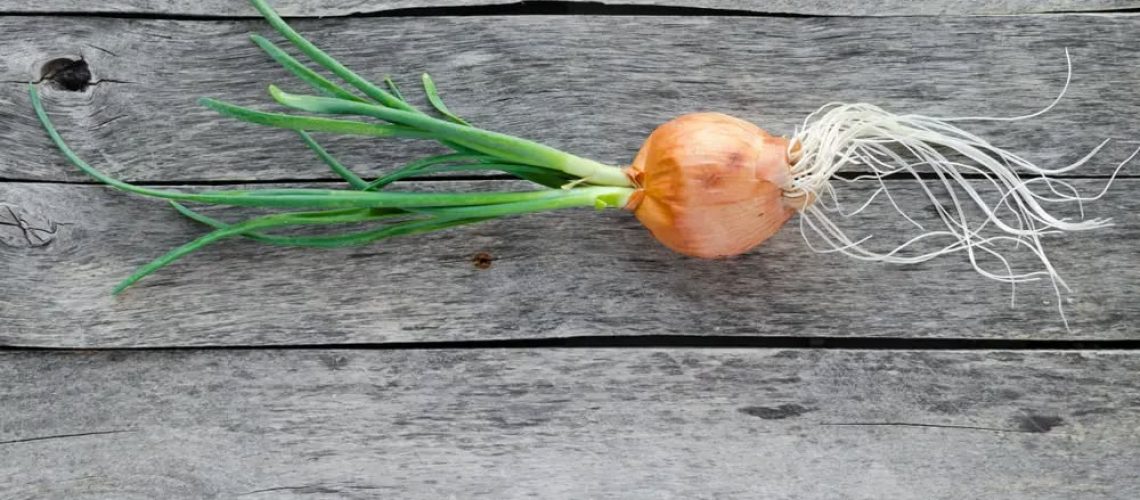
Onions are essential ingredients in many African kitchens.
From preparing jollof rice and pepper soup to cooking stews and soups, they add flavour to everyday meals. However, buying onions in bulk can become frustrating when they begin to sprout before you finish using them. Instead of lasting for weeks, your onions may develop green shoots, become soft or start rotting. This leads to food waste and unnecessary spending.
The good news is that early sprouting is often preventable. Understanding why onions sprout and learning how to store them properly can help you keep them fresh for longer.
Why Do Onions Sprout Early?
Onions naturally sprout when conditions encourage them to grow. Each onion contains a dormant growing point that can produce green shoots when the environment becomes favourable. Several factors can trigger this process.
1. Poor Storage Conditions
One major reason onions sprout early is improper storage. Warm temperatures, especially when combined with moisture, can encourage growth. Onions stored near cooking areas, sunny windows or warm appliances may begin sprouting sooner than expected.
In many Nigerian homes, onions are kept in plastic bags on kitchen floors or inside closed cupboards. Unfortunately, these spaces may trap heat and moisture, creating conditions that encourage sprouting and spoilage.
2. Excess Moisture
Onions need to remain dry during storage. Moisture can encourage sprouting and promote mould growth, especially when onions have damaged skins or bruised areas.
Washing onions before storing them can also introduce unnecessary moisture. If you buy onions from an open market, allow any damp surfaces to dry completely before placing them in storage.
3. Poor Air Circulation
Onions need adequate ventilation to stay in good condition. When you store them in tightly sealed bags or overcrowded containers, air cannot circulate properly.
This trapped moisture and heat can shorten their storage life. Onions packed closely together may also develop soft spots, allowing rot to spread to neighbouring bulbs.
4. Buying Onions That Are Already Ready to Sprout
Sometimes, the problem begins before you bring the onions home. Older onions, damaged bulbs and onions exposed to unfavourable storage conditions may already be preparing to grow.
Choosing firm onions with dry, papery skins can reduce the likelihood of early sprouting. Avoid bulbs with visible green shoots, soft areas, mould or unusual smells.
How to Stop Your Onions from Sprouting Early
You cannot completely prevent natural sprouting indefinitely, but the right storage practices can slow it down considerably.
1. Store Onions in a Cool, Dry Place
Choose a cool, dry and well-ventilated area away from direct sunlight. Keep onions away from ovens, cookers and other heat sources.
Avoid placing them beside damp walls or in areas where rainwater can reach them. Although refrigeration may suit peeled or cut onions, whole, unpeeled onions generally keep well in a suitable dry, ventilated space.
2. Use Baskets or Mesh Bags
Replace airtight plastic bags with mesh bags, ventilated baskets or crates that allow air to circulate. Spread onions out rather than piling them into a deep, crowded container.
If you buy a large quantity, divide it into smaller portions. This makes it easier to inspect your supply and remove any damaged bulbs before they affect the others.
3. Keep Onions Dry
Do not wash onions before storing them. Remove loose dirt gently, but avoid damaging their outer skins.
If an onion becomes wet, allow it to dry thoroughly before storing it with the others. Check your storage area regularly for dampness, especially during rainy weather.
4. Separate Onions from Potatoes
Avoid storing onions and potatoes together. Both can release moisture during storage, and close contact can create conditions that encourage faster deterioration. Keep them in separate, well-ventilated areas to help preserve their quality.
5. Inspect Your Onions Regularly
Check your stored onions at least once or twice a week. Remove bulbs that become soft, mouldy or rotten, and use sprouting onions promptly if they remain firm and show no signs of spoilage.
A small amount of green growth does not automatically mean an onion is unsafe to eat. However, discard onions that are mouldy, slimy or foul-smelling.
What Should You Do When Onions Have Already Sprouted?
If your onions have started sprouting, do not automatically throw them away. A firm onion with a small green shoot may still be suitable for cooking. Peel it, inspect the inside and remove any damaged or unpleasant-smelling portions.
You can also chop and freeze peeled onions for future cooking. Store them in airtight freezer-safe containers or bags, and use them directly in cooked dishes. Freezing changes their texture, so they may not be ideal for fresh salads.
Conclusion
Onions sprout early because of factors such as warmth, moisture, poor ventilation and the condition of the bulbs when purchased. Fortunately, simple changes can help you protect your supply.
Choose firm onions, keep them dry, provide adequate airflow and inspect them regularly. These habits are particularly useful for families, food vendors and restaurants that buy onions in bulk. By storing onions correctly, you can reduce food waste, save money and ensure that this essential kitchen ingredient remains available whenever you need it.
