

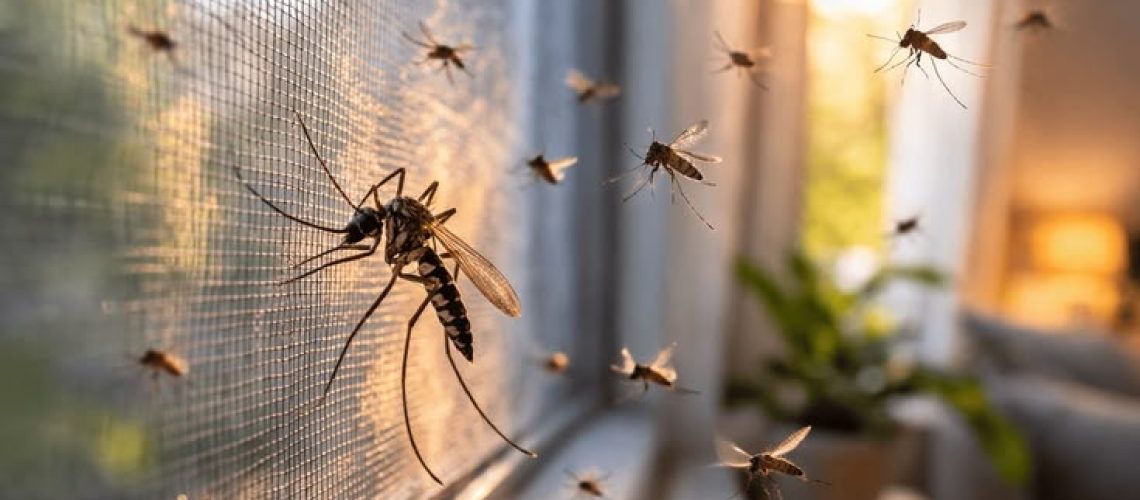
Mosquitoes can turn a peaceful evening into an uncomfortable experience.
Their bites cause itching, disturb sleep, and may spread serious diseases such as malaria and dengue. In many Nigerian homes, especially during the rainy season, keeping these insects away can feel like a daily struggle. Fortunately, you can reduce mosquitoes in your home naturally by improving cleanliness, removing breeding sites, and using simple household solutions.
Although natural methods may not eliminate every mosquito, combining several approaches can make your home more comfortable and reduce the risk of mosquito bites.
1. Remove Standing Water Around Your Home
The most effective way to control mosquitoes naturally is to prevent them from breeding. Mosquitoes lay their eggs in standing water, where their larvae develop.
Check your surroundings regularly for containers that collect rainwater. These include buckets, flowerpots, discarded tyres, plastic bottles, blocked gutters, and uncovered water tanks. Empty unnecessary containers and clean them to remove mosquito eggs.
If you store water because of an unreliable supply, keep it in tightly covered containers. Change the water in pet bowls frequently and clean flowerpot trays regularly. Pay particular attention to hidden areas behind buildings and around outdoor bathrooms.
By eliminating standing water, you reduce the number of mosquitoes that can develop near your home.
2. Use Mosquito Nets on Windows and Doors
Preventing mosquitoes from entering your home is often easier than chasing them away after they arrive. Installing mosquito screens on windows and doors creates a physical barrier without exposing your family to chemicals.
Choose fine mesh screens and inspect them regularly for holes. Repair damaged sections immediately, as even small openings can allow mosquitoes inside.
Where permanent screens are not affordable, consider using well-fitted mosquito nets over beds and keeping doors closed, particularly during the early morning and evening hours when many mosquitoes are active.
For additional protection, use insecticide-treated mosquito nets while sleeping. These are particularly important in malaria-prone areas and should not be replaced with unproven natural remedies.
3. Grow Mosquito-Repelling Plants
Certain plants contain aromatic compounds that may help discourage mosquitoes in limited circumstances. Examples include citronella grass, basil, mint, lavender, and rosemary.
You can grow these plants in pots near entrances, balconies, or outdoor sitting areas. Besides adding greenery to your home, they can make your surroundings more pleasant.
However, simply placing these plants around your house is unlikely to provide strong or reliable mosquito protection. Their effectiveness depends on the plant species, the concentration of its aromatic compounds, and environmental conditions.
Avoid crushing leaves or applying plant extracts directly to your skin without checking their safety. Natural substances can still cause irritation or allergic reactions.
4. Keep Your Home Clean and Well Maintained
A clean home makes it easier to identify mosquito breeding sites and reduce places where adult mosquitoes rest.
Sweep regularly, remove clutter, and keep storage areas organised. Clear blocked drains and ensure that water flows away from your building instead of collecting in puddles.
Mosquitoes often rest in cool, shaded places, including behind curtains, under furniture, and in dark corners. Use a fan where practical, particularly in bedrooms and living areas. The airflow can make it harder for mosquitoes to land on people.
Remember that household cleanliness alone will not eliminate mosquitoes. Removing standing water and preventing entry are more important than simply sweeping or mopping floors.
5. Be Careful With Essential Oils
Some essential oils, including citronella, eucalyptus, and lemongrass oils, contain compounds that can repel mosquitoes for limited periods. However, their effectiveness varies, and many homemade mixtures provide less reliable protection than registered repellents.
If you choose to use an essential-oil product, follow its label instructions. Never drink essential oils or apply undiluted oils directly to your skin. Keep them away from children and pets, and avoid placing oils near flames because some are flammable.
For protection against mosquito bites, use a registered skin repellent containing an approved active ingredient, such as DEET, picaridin, or another locally recommended option. These products are generally more dependable than homemade mixtures.
6. Protect Your Home at Night
Mosquitoes can enter when people leave doors open, especially in the evening. Develop a routine of closing doors and windows before dusk or ensuring that screens are in place.
Switch on fans when sitting or sleeping, and use a mosquito net around your bed where necessary. Check bedrooms before sleeping, particularly during periods when mosquito activity increases.
If you have children, ensure their sleeping areas are properly protected. Babies should sleep under appropriately fitted mosquito nets when recommended, with the net kept safely away from their faces and bodies.
Conclusion
Keeping mosquitoes out of your home naturally starts with prevention. Remove standing water, cover stored water, install window screens, maintain your surroundings, and use mosquito nets and fans. Plants and essential oils may offer limited additional benefits, but they should not replace proven mosquito protection.
The best results come from combining several methods consistently. With a few practical habits, you can make your home less attractive to mosquitoes, enjoy more peaceful nights, and help protect your family from mosquito-borne diseases.
