

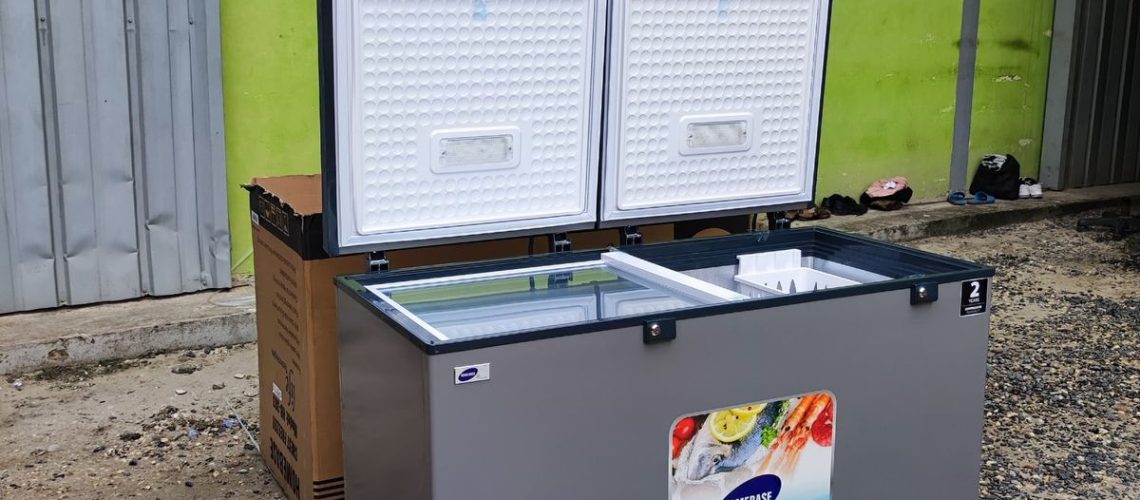
In many Nigerian homes, the freezer is more than a place to store food.
It is a tool for managing rising food prices, preserving market purchases and reducing waste. From bags of chicken and frozen fish to leftover stew, pepper and seasonal vegetables, the freezer helps families plan meals and stretch their budgets. However, freezing everything without a proper system can lead to spoiled food, unpleasant smells and unnecessary waste. Understanding what belongs where is the first step towards a more organised kitchen.
Understanding Your Freezer Zones
Although many household freezers have limited compartments, organising food into categories makes a significant difference. Keep raw meat, fish, poultry, vegetables and cooked meals in separate, clearly labelled packages. This prevents cross-contamination during handling and makes ingredients easier to locate.
Your freezer should maintain a temperature of -18°C or below. Use a freezer thermometer if possible, as the appliance’s dial may not accurately show the internal temperature. Also, avoid overloading the freezer so much that cold air cannot circulate. A well-organised freezer saves time and helps preserve food quality.
Where Your Meat and Poultry Belong
Chicken, turkey, beef, goat meat and other raw meats should have a dedicated section. Divide large purchases into portions suitable for individual meals before freezing. For example, separate chicken into portions for jollof rice, pepper soup and family dinners.
Place the meat in airtight freezer bags or food-safe containers. Remove excess air from bags and label each package with the food type and freezing date. This simple habit prevents the familiar problem of finding several unidentified packages weeks later.
Keep raw meat and poultry below ready-to-eat foods whenever possible, especially if you have a freezer compartment that also holds items you may remove and eat without further cooking. Store meat securely to prevent leaking during handling and thawing.
Fish and Seafood: Give Them Their Own Space
Nigerian kitchens often stock mackerel, croaker, catfish, tilapia, prawns and other seafood. These ingredients freeze well when handled properly, but their strong smells can spread to other foods if packaging is poor.
Clean fresh fish carefully, remove unwanted parts where appropriate, and pat it dry before packing. Use airtight bags or containers, then label them clearly. If you buy smoked fish, allow it to cool completely before packaging if it has just been prepared.
Keep seafood separate from meat and vegetables to make meal preparation easier. For households that frequently cook fish stew, okra soup or pepper soup, portioning seafood according to planned recipes can reduce unnecessary thawing.
Vegetables, Pepper and Soup Ingredients
Green vegetables such as ugu can be frozen, but they require preparation. Wash the leaves thoroughly, drain them well, chop them if desired and blanch suitable vegetables briefly before cooling and freezing. Some leaves may soften after thawing, so frozen vegetables are often best used in cooked dishes rather than fresh salads.
Blend or chop pepper, onions and other ingredients according to your cooking habits. Freeze them in small containers or measured portions instead of one large block. This makes it easier to prepare stew, jollof rice and soups without thawing more than necessary.
For egusi, ogbono and crayfish, airtight packaging is essential. Store them in small freezer-safe containers or bags, particularly when you buy large quantities. Keep them dry before packaging to preserve quality and avoid introducing unnecessary moisture.
Cooked Food and Leftovers
Cooked stew, soup, beans, rice and other prepared meals can be frozen for convenient future use. Divide large quantities into shallow, meal-sized containers so they cool and freeze more quickly.
Refrigerate or freeze perishable cooked food promptly rather than leaving it at room temperature for hours. As a general food-safety rule, refrigerate or freeze leftovers within two hours of cooking, or within one hour when temperatures exceed 32°C.
Never place a large pot of steaming-hot food directly into an already crowded freezer. Divide it into smaller portions and cool it safely before storage. Label every container with its contents and date.
What Should Not Go Into the Freezer?
Not every food benefits from freezing. Whole eggs in their shells may crack, while mayonnaise-based sauces can separate. Watery vegetables such as lettuce and cucumber usually become soft and unpleasant after thawing. Potatoes may also change texture, depending on how they are prepared.
Some foods can be frozen successfully after preparation. For example, tomatoes can be chopped or cooked into a base before freezing, while potatoes are generally better frozen after suitable cooking or blanching.
Make Your Freezer Work for Your Budget
A well-organised freezer supports smarter grocery shopping. Before visiting the market, check what you already have, identify ingredients nearing their recommended storage periods and plan meals around existing supplies.
Use the first-in, first-out method: consume older packages before newer ones, provided they have been stored safely. Keep an inventory on the freezer door or in a notebook, and avoid buying more food simply because a market deal looks attractive.
For Nigerian households managing food inflation, the freezer can make bulk buying more practical. However, savings only happen when food is stored safely, used on time and protected from power interruptions.
The Nigerian freezer map is ultimately about knowing what goes where, how to package it and when to use it. With separate food categories, clear labels and sensible portions, your freezer becomes more than cold storage. It becomes a practical tool for reducing waste, controlling grocery expenses and making everyday cooking easier.
