

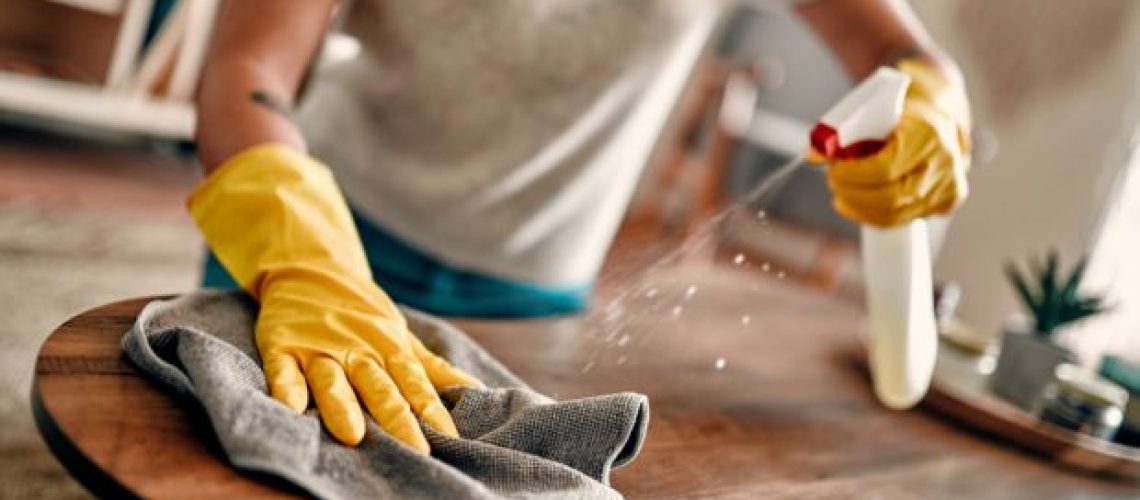
Keeping your home clean does not always require expensive cleaning products.
Some useful cleaning ingredients may already be sitting in your kitchen cupboard. From baking soda to vinegar and lemon juice, everyday household items can help remove odours, loosen dirt and tackle certain stains. For Nigerian households looking to reduce expenses, these simple solutions offer a practical way to maintain a tidy home without constantly buying specialised cleaners.
However, not every kitchen ingredient is suitable for every surface. Knowing what to use, where to use it and what to avoid will help you clean effectively while protecting your furniture, appliances and family.
1. Use Baking Soda to Remove Odours
Baking soda is one of the most versatile household cleaning ingredients. Its mild abrasive properties make it useful for removing certain residues, while it can also help neutralise unpleasant smells.
To clean a kitchen sink, sprinkle a small amount of baking soda onto a damp sponge. Gently scrub the surface, then rinse thoroughly with clean water. You can also place an open container of baking soda inside your refrigerator to help absorb some unwanted odours. Replace it periodically for better results.
Baking soda works well on many washable surfaces, but avoid scrubbing delicate finishes with it. Always test an inconspicuous area first.
2. Clean Glass With Vinegar and Water
White vinegar can help remove mineral deposits, soap residue and some everyday grime from suitable glass surfaces. Mix equal parts white vinegar and water in a spray bottle. Apply the solution to mirrors or glass windows, then wipe with a clean microfibre cloth.
This method can be useful for cleaning windows during the dry season when dust accumulates quickly. For a clearer finish, avoid cleaning glass under direct sunlight because the solution may dry too quickly and leave streaks.
Never use vinegar on natural stone such as marble or limestone. Its acidity can damage these surfaces. Also, do not mix vinegar with bleach or other cleaning chemicals.
3. Use Lemon Juice for Certain Stains
Lemon juice contains citric acid, which can help loosen some mineral deposits and stains. It is useful for freshening suitable kitchen surfaces and removing some discolouration from washable items.
For example, rub half a lemon over a suitable cutting board after washing it with dish soap, then rinse thoroughly. However, lemon juice is not a substitute for proper sanitising, especially after cutting raw meat or fish.
Avoid using lemon juice on marble, granite, delicate fabrics or surfaces that react to acids. It can also cause colour fading on some materials.
4. Wash Greasy Dishes With Dish Soap and Warm Water
Sometimes, the simplest solution is the most effective. Dishwashing liquid mixed with warm water can remove grease from cooking utensils, cooker surfaces and washable kitchen counters.
Add a small amount of dish soap to warm water, dip a sponge into the mixture and wipe the greasy surface. Allow stubborn grease to loosen for a few minutes before scrubbing gently. Finish by wiping away the soap with a clean, damp cloth.
Avoid pouring water directly onto electrical appliances or their controls. Always switch off and unplug suitable appliances before cleaning them, and follow the manufacturer’s instructions.
5. Freshen Your Microwave With Water
You do not need a specialised chemical cleaner to loosen dried food splashes inside your microwave. Pour water into a microwave-safe bowl and heat it until steam forms. Switch off the microwave and leave the bowl inside for several minutes.
Carefully remove the hot bowl, then wipe the softened residue with a clean cloth. The steam makes stubborn food easier to remove and reduces the need for vigorous scrubbing.
Never heat a sealed container, and handle hot water carefully to avoid burns.
6. Remove Loose Dust With a Clean Cloth
Old cotton T-shirts and clean, soft kitchen cloths can become useful cleaning tools. Slightly dampen a cloth to collect dust from shelves, tables and other washable surfaces. For electronics, follow the manufacturer’s cleaning guidance and avoid excess moisture.
Reusing suitable cloths reduces waste and saves money. Wash them after use, especially when cleaning kitchen counters or areas exposed to food.
Important Safety Tips for Homemade Cleaners
Natural ingredients are not automatically harmless. Never mix bleach with vinegar, lemon juice, ammonia or other cleaning products, as dangerous gases may form. Keep homemade solutions labelled and away from children. Prepare small quantities, avoid storing mixtures in drink bottles and never mix ingredients unless their compatibility is established.
Most importantly, remember that cleaning and disinfecting are different. Soap and water remove dirt, while an appropriate disinfectant may be necessary to kill germs on high-touch surfaces or after handling raw meat.
Conclusion
DIY cleaning solutions can help Nigerian households maintain cleaner homes while managing everyday expenses. Baking soda, white vinegar, lemon juice, dish soap, warm water and reusable cloths can handle many routine cleaning tasks when used correctly. The secret is choosing the right ingredient for the right surface, following basic safety precautions and recognising when a specialised product is necessary. With a little planning, your kitchen can provide several practical cleaning essentials without turning every household chore into an expensive exercise.
