

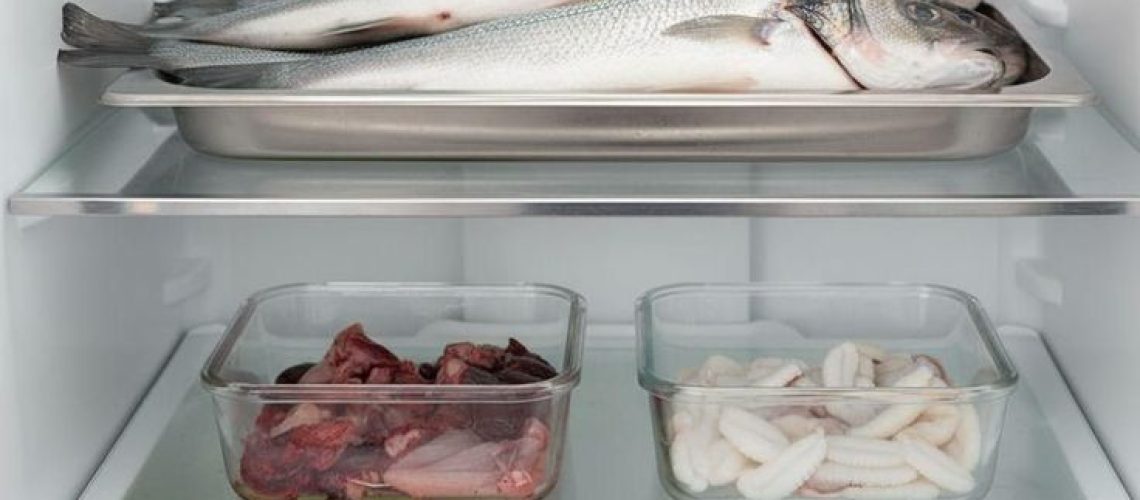
Fresh fish is a favourite in many Nigerian homes.
From pepper soup and fish stew to jollof rice and fried fish, it adds flavour and nutrition to everyday meals. However, buying fish in bulk can become a problem when you do not know how to preserve it properly. Poor freezing methods can leave fish dry, mushy or unpleasantly fishy when cooked. The good news is that you can freeze fresh fish while preserving much of its original taste, texture and quality.
Choose Fresh Fish Before Freezing
Good frozen fish starts with fresh fish. Freezing does not make spoiled fish safe or restore its original quality. Therefore, inspect your fish carefully before putting it away.
Fresh fish should have a mild smell rather than a strong, sour or ammonia-like odour. Its flesh should feel firm, and its eyes should generally look clear rather than cloudy or sunken. If you buy fish from a Nigerian market, ask when it arrived and how it has been stored.
Whether you prefer mackerel, croaker, tilapia or catfish, make sure the fish has been kept properly chilled. If it has been sitting in the sun for hours, freezing it will not reverse the damage.
Clean and Prepare the Fish Properly
Before freezing, remove scales, gills and internal organs where appropriate. Clean the fish using safe drinking water, then handle it carefully to avoid spreading bacteria around your kitchen. Wash your hands and clean utensils and surfaces after handling raw fish.
Drain the fish thoroughly and pat it dry with clean paper towels. Excess water can form ice crystals that damage the fish’s texture. If you plan to cook the fish whole, you can freeze it whole after cleaning. Alternatively, cut it into portions suitable for your usual meals.
For Nigerian households, portioning is particularly useful. You might separate fish for stew, pepper soup and frying into different packages. This way, you only remove what you need instead of repeatedly thawing a large batch.
Package Fish to Protect Its Taste
Air is one of the main enemies of frozen fish. Exposure to air can cause freezer burn, leaving dry, discoloured patches that affect texture and flavour.
Use airtight freezer bags or food-safe containers. Place individual portions inside, press excess air out of the bags and seal them securely. If you have a vacuum sealer, it can provide additional protection. Otherwise, good-quality freezer bags work well when sealed properly.
For extra protection, wrap the fish tightly before placing it in a freezer bag. Label each package with the fish type and freezing date. This makes it easier to identify older supplies and use them first.
Avoid using thin shopping bags that are not designed for food storage in the freezer. They may tear or allow air to reach the fish.
Set the Freezer to the Right Temperature
Your freezer should maintain a temperature of -18°C or below. At this temperature, properly packaged fish can remain safe for extended periods, provided it stays continuously frozen. However, quality gradually declines, so using it sooner generally gives better results.
For best quality, lean fish such as tilapia is often stored for about six to eight months, while oily fish such as mackerel is generally best used within two to three months. These are quality guidelines, not strict safety deadlines. Packaging, freshness and consistent temperature all affect storage life.
Place newly packaged fish in a cold area of the freezer, leaving space around the packages so cold air can circulate. Avoid repeatedly opening the freezer or overloading it with large quantities of unfrozen food at once.
Should You Add Water Before Freezing Fish?
Some people freeze fish in containers filled with water to protect it from air exposure. This method can work when using a suitable food-safe container, but it may not be necessary for every household.
A tightly sealed freezer bag with most of the air removed is often sufficient. If you choose to add water, leave room for expansion as the water freezes. Avoid adding salt unnecessarily, as it can change the fish’s flavour and texture.
The most important principle is to prevent air exposure and keep the fish consistently frozen.
Thaw Fish Without Losing Its Quality
How you thaw fish matters just as much as how you freeze it. The safest method is to transfer the package from the freezer to the refrigerator and allow it to thaw slowly. Place it in a container to catch any liquid.
If you need fish quickly, seal it in a leak-proof bag and submerge it in cold water, changing the water every 30 minutes. Cook it immediately after this method. Never thaw fish on a kitchen counter or leave it sitting in the hot Nigerian sun.
You can also cook some fish directly from frozen, although cooking time will increase. Follow a reliable recipe and ensure the centre reaches a safe temperature.
Once thawed, cook the fish promptly. Avoid refreezing raw fish thawed at room temperature or using unsafe methods. Fish thawed in the refrigerator can generally be refrozen safely, although its quality may decline.
Keep Your Fish Tasting Fresh
Freezing fresh fish successfully does not require expensive equipment. You need fresh ingredients, clean preparation, airtight packaging and a consistently cold freezer.
For families that buy fish in bulk to manage rising food prices, these simple habits can reduce waste and make meal planning easier. Divide your purchases into meal-sized portions, label every package and keep track of storage dates.
With the right approach, your frozen fish can retain much of its natural flavour and texture, making it easier to prepare delicious Nigerian meals whenever you need them.
