

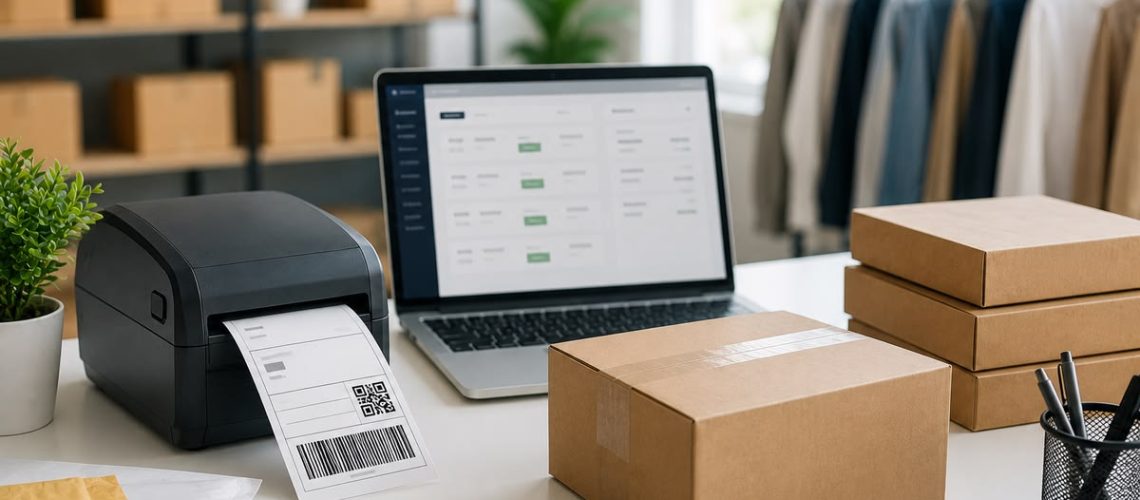
Fulfilment Explained: How Online Sellers Ship Orders on Time
Running an online business involves more than displaying products and receiving payments. Once a customer places an order, the seller must ensure the correct item is prepared, packaged, and delivered within the promised timeframe. This process is known as order fulfilment. For online sellers, efficient fulfilment builds customer trust, encourages repeat purchases, and supports long-term business growth.
In Nigeria, where customers shop through Instagram, WhatsApp, online marketplaces, and e-commerce websites, reliable delivery can set a business apart from its competitors. Whether a seller operates from a small shop in Lagos or manages a larger warehouse in Abuja, understanding fulfilment is essential for meeting customer expectations.
What Is Order Fulfilment?
Order fulfilment refers to the complete process of handling a customer’s order, from receiving the purchase request to delivering the product. It includes inventory management, order processing, picking and packing, dispatch, and delivery confirmation.
For example, when a customer orders a pair of shoes through WhatsApp, the seller must confirm payment, check the available stock, inspect the shoes, package them securely, and arrange delivery. The process ends when the customer receives the correct product.
Every stage matters. A delay in confirming payment or locating an item can affect the delivery schedule. Therefore, sellers need a clear system for managing orders from beginning to end.
How Online Sellers Ship Orders on Time
1. Keep Inventory Organised
Accurate inventory records help sellers know which products are available and when to restock. Without proper records, a business might accept payment for an item that is already sold out. This creates disappointment and unnecessary delays.
Sellers should update their stock records whenever products are purchased, returned, or damaged. Even a simple spreadsheet can help a small business track quantities, product variations, and restocking needs.
Keeping popular products readily available also reduces the time spent preparing orders.
2. Process Orders Immediately
Order processing should begin as soon as a purchase is confirmed. Sellers need to verify the customer’s details, confirm payment where applicable, check product availability, and record the expected dispatch date.
A consistent routine prevents orders from getting lost among messages and notifications. For businesses receiving many orders through social media, using an order management spreadsheet or suitable software can make tracking easier.
It is also helpful to establish a daily cut-off time. For instance, orders confirmed before noon may qualify for same-day dispatch, while later orders are scheduled for the next working day. Clearly communicating this policy helps customers understand what to expect.
3. Pick and Package Products Efficiently
Picking involves retrieving the correct item from storage, while packing prepares it for safe transportation. Sellers should arrange products logically, label storage areas, and keep packaging materials within easy reach.
Before sealing a package, staff should check the product, quantity, size, colour, and customer details. This simple inspection reduces costly mistakes and returns.
Packaging must also suit the product. Fragile items need protective materials, while clothing may require clean, moisture-resistant packaging. Good packaging protects the goods and creates a positive impression when the customer receives the order.
4. Choose Reliable Delivery Partners
A seller’s responsibility does not end when a package leaves the shop. Choosing a dependable dispatch rider or courier service is essential for meeting delivery promises.
Before selecting a logistics partner, compare delivery coverage, prices, estimated delivery times, tracking options, and customer feedback. Local dispatch riders may be suitable for deliveries within Lagos, while interstate orders may require a courier with broader coverage.
Sellers should also consider traffic, weather, distance, and peak shopping periods when estimating delivery times. Promising realistic delivery dates is better than making attractive promises the business cannot keep.
5. Track Orders and Communicate With Customers
Customers appreciate knowing what happens after they place an order. Sellers should provide confirmation messages, dispatch notifications, and tracking information when available.
If a delay occurs, communicate early rather than waiting for the customer to complain. Explain the situation honestly and provide an updated delivery estimate.
For example, a seller can notify a customer that heavy traffic has delayed a delivery and confirm when the rider expects to arrive. This approach demonstrates responsibility and helps maintain trust, even when circumstances are beyond the seller’s control.
Common Fulfilment Mistakes to Avoid
Several mistakes can disrupt timely delivery. These include accepting orders without checking stock, recording incorrect addresses, waiting too long to package products, choosing unreliable riders, and failing to monitor dispatched orders.
Online sellers should review delayed deliveries regularly to identify recurring problems. If most delays happen during packaging, better organisation may solve the issue. If riders frequently arrive late, changing delivery partners or adjusting dispatch schedules may be necessary.
Conclusion
Order fulfilment is a vital part of running a successful online business. Sellers who organise inventory, process orders promptly, package products carefully, and work with reliable delivery partners can improve delivery times and customer satisfaction.
Most importantly, timely shipping requires planning, consistency, and communication. Customers may discover a business because of its attractive products or competitive prices, but dependable service gives them a reason to return. By building an effective fulfilment system, online sellers can reduce avoidable delays, strengthen their reputation, and grow their businesses with greater confidence.
