

What’s Hiding in Your Sofa? A Deep Cleaning Guide
Your sofa may look clean, but appearances can be deceiving. Beneath the cushions, inside the seams, and along the armrests, dust, crumbs, body oils, pet hair, and other unwanted particles can build up over time. Since sofas are among the most frequently used pieces of furniture in many homes, they need more than an occasional wipe to stay fresh.
In busy Nigerian homes, sofas often serve several purposes. Family members relax on them, children eat snacks on them, and guests sit on them during visits. Without regular deep cleaning, these everyday activities can leave behind dirt, unpleasant smells, and stains.
The good news is that you do not always need expensive equipment to refresh your sofa. With the right cleaning methods, you can remove hidden dirt and make your living room feel more comfortable.
What Is Hiding Inside Your Sofa?
1. Dust and trapped dirt
Everyday movement sends dust and tiny particles into the air. These particles eventually settle on your sofa and slip between the cushions. Sitting down can push them deeper into the fabric, making ordinary surface cleaning less effective.
Over time, accumulated dust can affect indoor comfort, especially for people sensitive to dust. Vacuuming your sofa regularly helps remove loose particles before they build up.
2. Food crumbs and forgotten snacks
Have you ever found a biscuit crumb under your sofa cushion? You are not alone. Crumbs from bread, biscuits, chin chin, and other snacks can collect in hidden corners.
These food particles may attract insects and contribute to unpleasant smells, particularly when moisture is present. Removing cushions and checking beneath them helps you find dirt that routine cleaning often misses.
3. Body oils and sweat
Your sofa absorbs more than you might realise. Natural skin oils, sweat, and residue from lotions gradually transfer onto its surface. These substances can leave armrests, headrests, and seat cushions looking darker than the surrounding fabric.
A suitable upholstery cleaner can help remove this buildup. However, always check the manufacturer’s instructions before applying any cleaning product.
4. Pet hair and allergens
Homes with cats or dogs often experience an additional cleaning challenge. Pet hair can cling tightly to upholstery, while dander and other particles collect in fabric fibres.
A vacuum with an upholstery attachment can help remove these materials. For stubborn hair, use a fabric-safe lint brush or an appropriate pet-hair removal tool.
5. Stains and unpleasant odours
Spilled drinks, food stains, and moisture can leave marks long after the original incident. Even when a stain appears to have disappeared, residue may remain inside the fabric.
Odours can also develop when spills are not cleaned properly. The best approach is to treat stains promptly and allow the sofa to dry completely after cleaning.
How to Deep Clean Your Sofa at Home
Start by checking the manufacturer’s care label. Upholstery codes can indicate which cleaning methods are safe. For example, some fabrics tolerate water-based cleaning, while others require solvent-based products or professional care.
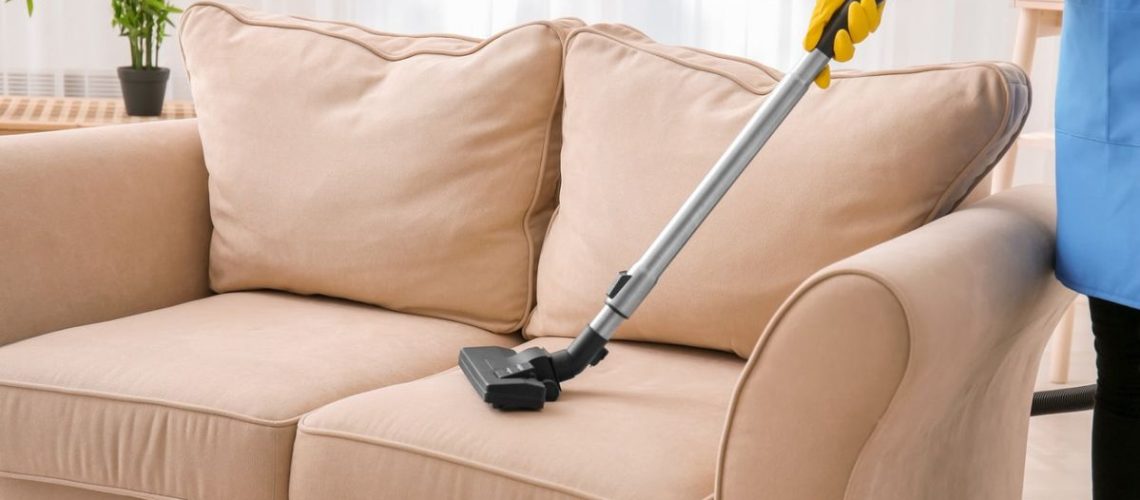
Next, remove cushions, throws, and removable covers. Check underneath the cushions and inside the crevices for crumbs, coins, dust, and other debris. Use a vacuum cleaner with an upholstery attachment to clean the entire sofa, paying close attention to seams and corners.
After vacuuming, inspect the fabric for stains. Test your chosen cleaning solution on a small, hidden area first. If the fabric shows no discolouration or damage, follow the product instructions to treat the affected spots. Avoid soaking the upholstery, as excess moisture can damage some materials and encourage mould growth if the sofa dries poorly.
For leather sofas, use a cleaner designed specifically for leather. Avoid harsh detergents and excessive water, which can damage the finish.
Once cleaning is complete, allow the sofa to air-dry thoroughly before replacing the cushions or using it again. Open windows when practical or improve ventilation with a fan. Never use excessive heat unless the manufacturer specifically permits it.
How Often Should You Deep Clean Your Sofa?
The ideal schedule depends on how frequently you use your sofa. For most households, vacuuming weekly and deep cleaning every three to six months provides a reasonable starting point. Homes with pets, young children, or frequent visitors may need more frequent attention.
Clean spills immediately by gently blotting them with a clean cloth. Avoid rubbing, as this can spread the stain and push it deeper into the fibres. Regularly rotating removable cushions can also help distribute wear more evenly.
Keep Your Sofa Fresh Between Deep Cleans
A clean sofa makes your living room more inviting and helps protect your furniture from premature wear. Simple habits, such as removing crumbs, vacuuming regularly, cleaning spills quickly, and keeping pets’ favourite blankets washable, can make a significant difference.
If your sofa has persistent odours, extensive staining, delicate upholstery, or signs of mould, consider hiring a professional cleaner. Professional treatment may be safer and more effective for problems that ordinary household methods cannot resolve.
Ultimately, your sofa deserves the same attention as your floors, windows, and other frequently used household items. The next time you sit down to relax, remember that a clean-looking sofa is not always a clean sofa. A little attention beneath the cushions can help create a fresher, more comfortable home.
