

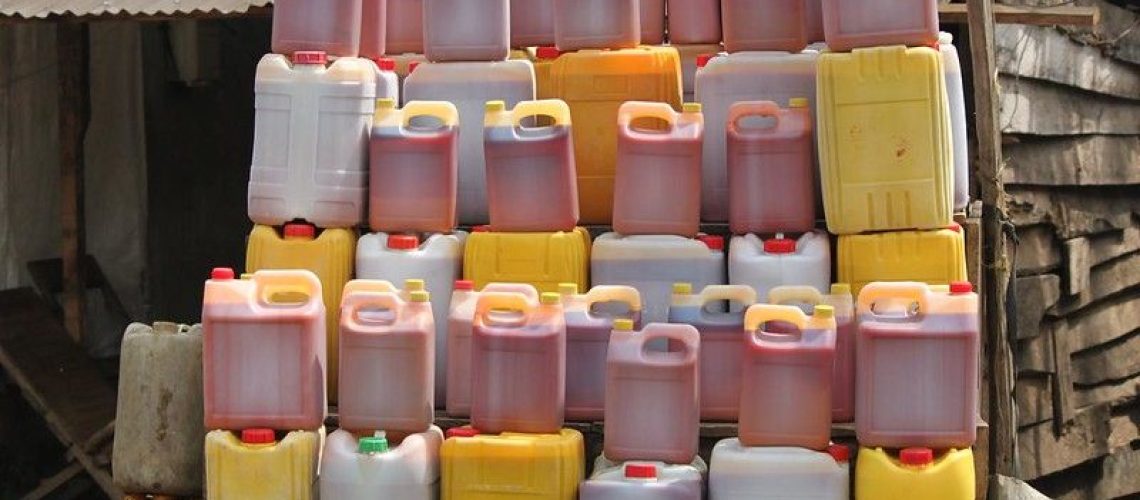
Palm oil is a staple in many Nigerian kitchens.
From preparing jollof rice and beans to cooking egusi soup, banga soup and vegetable stew, this colourful oil adds flavour and richness to everyday meals. However, poor storage can affect its quality, colour, smell and taste. If you have ever opened a bottle of palm oil only to discover an unusual smell or a strange taste, your storage method might be the problem.
The good news is that palm oil does not require expensive equipment to stay fresh. A few simple habits can help you preserve its quality, reduce waste and get better value for your money. Here are some palm oil storage tips many people overlook.
1. Choose the Right Container Before Anything Else
The container you use can make a significant difference to your palm oil’s shelf life. A clean, dry, food-grade container with a tight-fitting lid is an excellent choice. Glass jars and suitable food-grade plastic containers can both work well.
Avoid storing palm oil in containers that previously held chemicals, detergents or other non-food substances. Even after washing, these containers may retain harmful residues.
Before transferring the oil, ensure the container is completely dry. Water left inside can introduce moisture and increase the risk of contamination. Never assume a container is ready simply because it looks clean.
2. Keep Palm Oil Away From Direct Sunlight
One of the biggest mistakes people make is leaving palm oil beside a kitchen window or on a sunny countertop. Although palm oil has a naturally rich colour, exposure to light, especially alongside heat and oxygen, can accelerate oxidation and reduce its nutritional quality.
Store your oil in a cool, dark cupboard away from windows, ovens and other heat sources. If you buy palm oil in a transparent bottle, consider placing it inside a clean, opaque container or cupboard.
This simple adjustment is particularly useful in Nigerian homes, where kitchens can become very hot during the afternoon.
3. Do Not Keep Opening the Main Container
Every time you open a container, you expose the oil to air. Repeated exposure can encourage oxidation, which may gradually affect its flavour and smell.
If your household uses palm oil frequently, consider dividing a large quantity into two containers. Keep a smaller bottle for daily cooking and leave the remaining oil sealed until needed.
This method is especially helpful when buying palm oil in bulk from markets or local producers. It also reduces the chance of food particles, water or other contaminants entering your main supply.
4. Never Use a Wet or Dirty Spoon
It is easy to scoop palm oil with whichever spoon is nearby. However, using a wet, dirty or food-covered spoon can contaminate the oil.
Always use a clean, completely dry spoon or ladle when transferring palm oil. Avoid returning used utensils to the container after they have touched raw meat, vegetables, soup or other ingredients.
If you pour the oil directly from a bottle, wipe the outside of the opening when necessary and close the lid immediately afterwards.
These small habits help keep your oil clean and reduce unnecessary exposure to contaminants.
5. Understand Why Palm Oil Sometimes Thickens
Palm oil may become cloudy, thick or semi-solid when temperatures fall. This is a natural physical change caused by the fats in the oil solidifying as they cool. It does not automatically mean the oil has spoiled.
When temperatures rise, the oil will usually return to its liquid state. You can leave the container at normal room temperature until it softens.
Avoid placing a sealed container directly over an open flame or heating it aggressively just to make the oil liquid again. Excessive heat can damage its quality and create unnecessary safety risks.
6. Buy the Right Quantity for Your Household
Buying palm oil in bulk can save money, particularly when prices rise. However, purchasing more than your household can use within a reasonable period may lead to waste.
Consider how frequently you cook with palm oil before buying several litres or a large drum. A household that prepares traditional soups regularly may use a larger quantity than one that cooks with palm oil occasionally.
When buying from a local market, inspect the oil for unusual odours, visible dirt, signs of contamination or suspicious changes in appearance. Purchase from a trusted seller whenever possible.
Also, remember that fresh-looking oil is not automatically safe. Good storage begins with good-quality oil.
7. Know When Your Palm Oil Has Gone Bad
Palm oil naturally has a distinctive smell and colour, so changes should be assessed against what is normal for that particular oil.
An unusual rancid or stale smell, an unpleasant taste, visible mould associated with contamination, or evidence that water and foreign substances have entered the container should raise concerns.
Do not taste oil to test it if it appears contaminated or smells suspicious. When in doubt, discard it rather than risk using spoiled or contaminated oil.
You should also avoid assuming that adding fresh oil to an old batch will restore its quality.
Conclusion
Proper palm oil storage is about protecting quality, preventing contamination and avoiding unnecessary waste. Choose suitable containers, keep the oil away from sunlight and heat, use dry utensils, and limit repeated exposure to air. If you buy in bulk, divide your supply into smaller portions and keep the main container tightly sealed.
These simple steps can help Nigerian households enjoy their palm oil for longer without compromising its quality. Whether you buy a small bottle from a neighbourhood shop or several litres from an open market, the right storage habits can make every purchase go further.
