

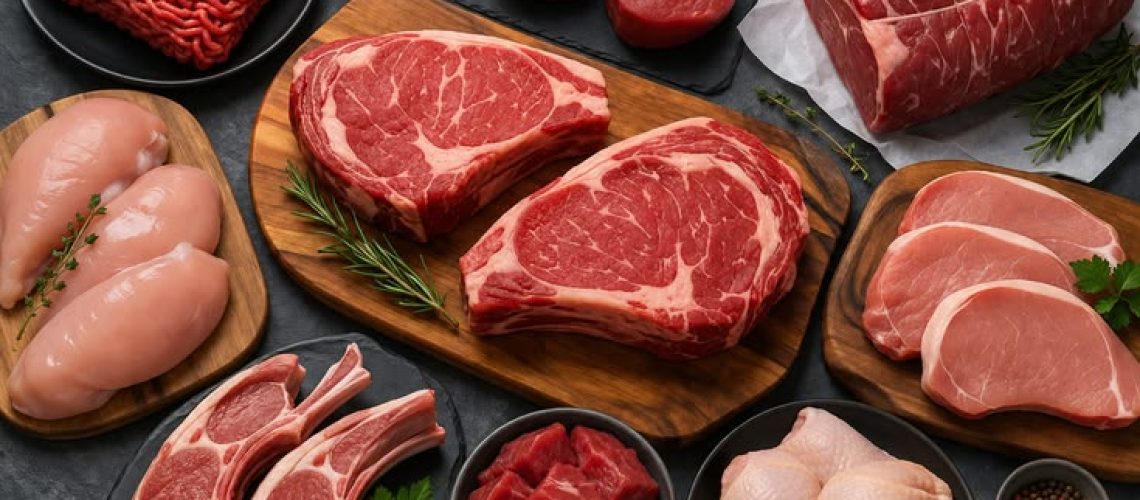
Beef, goat meat and chicken can all provide good value for Nigerian households, but the cheapest option is not always the most economical.
The real value depends on the price per kilogram, the amount of edible meat, the cooking method, the number of people you need to feed and how well you store leftovers. Chicken often works well for affordable family meals and quick cooking, beef offers versatility across many Nigerian dishes, while goat meat can be worthwhile when its distinctive flavour and texture matter. Before choosing what to buy at the market, compare the actual cost of the portion you will eat rather than judging by appearance or the total price of a bag. A few simple shopping habits can help you stretch your food budget without sacrificing taste or nutrition.
1. Compare the Price Per Kilogram First
Your first step is to compare prices using the same unit. One seller may quote a price for a small bowl, another for a large piece, and another for a kilogram. These measurements make direct comparisons difficult.
Ask the seller for the price per kilogram where possible. If you are buying smaller portions, calculate the equivalent price before deciding.
For example, suppose one market offers 2kg of beef for ₦14,000 and another offers 2kg of goat meat for ₦15,000. The beef costs ₦7,000 per kilogram, while the goat meat costs ₦7,500 per kilogram. On price alone, beef is cheaper in this example.
However, prices vary between markets, cities, cuts and seasons. National averages also differ from what an individual household pays. Therefore, use current prices from your local market rather than assuming one meat is always the cheapest.
2. Chicken: A Flexible Choice for Everyday Meals
Chicken is popular because it suits a wide range of dishes, including jollof rice, fried rice, pepper soup, stews and grilled meals. Depending on the cut and seller, it may offer an affordable way to provide protein for a household.
However, compare like with like. Whole chicken, frozen portions, drumsticks, wings and boneless chicken have different prices and usable yields.
A whole chicken may appear economical, but its bones and other parts affect the amount of meat available. Boneless portions may cost more per kilogram yet reduce preparation time and waste.
Chicken also cooks relatively quickly in many recipes, helping households save time and potentially reduce cooking fuel costs. The exact saving depends on the cut, portion size and cooking method.
Best for: Everyday family meals, rice dishes, quick dinners and recipes that require smaller portions of meat.
3. Beef: Versatile and Easy to Use Across Different Meals
Beef remains a common choice for Nigerian stews, soups, noodles, rice dishes and grilled meat. Its versatility makes it useful for households that prepare several different meals from one shopping trip.
Different cuts have different prices and cooking requirements. Bone-in beef may cost less per kilogram than boneless cuts, but the bone contributes to the total weight. Tougher cuts may require longer cooking, while tender cuts can be more suitable for quicker recipes.
For a household managing a tight budget, beef can offer good value when the buyer selects suitable cuts and portions them carefully. Meat intended for stew, for example, does not always need to be the most expensive cut available.
Ask the butcher which cuts suit your intended dish. Buying meat specifically for a recipe can prevent you from paying extra for features you do not need.
Best for: Stews, soups, rice dishes, family cooking and households that want one ingredient for several recipes.
4. Goat Meat: Worth the Extra Cost?
Goat meat is especially popular in pepper soup, traditional soups, grilled meat and celebratory meals. Its distinctive flavour makes it attractive to households that enjoy stronger-tasting meat.
However, goat meat can cost more than some alternatives, depending on the market, cut and local demand. Bone-in portions also affect how much edible meat you receive for your money.
That does not automatically make goat meat poor value. If a smaller portion gives a dish the flavour your household wants, buying more expensive meat may still be economical overall.
The key is to match the purchase to the meal. Goat meat may be worthwhile for a special soup or shared weekend dish, while a less expensive option may suit a large everyday stew.
Best for: Pepper soup, traditional dishes, grilled meat and meals where its distinctive flavour is important.
5. Calculate the Cost of the Meal, Not Just the Meat
The most useful comparison considers the entire meal. A kilogram of meat does not tell you how many people it will feed because portion sizes and recipes differ.
Imagine you are preparing stew for six people. One option may require a larger quantity of inexpensive meat, while another may provide enough flavour with a smaller portion. Include tomatoes, pepper, onions, cooking oil and fuel when calculating the total cost.
You can also stretch meat by combining it with beans, vegetables or other ingredients that suit the dish. This does not mean serving inadequate portions; it means planning balanced meals in which meat is one component rather than the only source of substance.
For example, a family can prepare a rich vegetable stew with measured portions of beef, then serve it with rice or yam. Another meal might combine chicken with beans or vegetables to create a filling plate.
6. Storage Can Make or Break Your Savings
Buying meat in bulk may reduce the price per kilogram, but only if you store it properly.
Divide your purchase into meal-sized portions immediately. Keep the portions you plan to use soon in the refrigerator and freeze those intended for later. Label packages with the purchase date and type of meat.
Avoid repeatedly thawing and refreezing meat. Thaw frozen meat safely in the refrigerator or by using an appropriate cold-water or microwave method, cooking immediately when required by the method. Do not leave raw meat on the kitchen counter for hours.
Separate raw meat from ready-to-eat foods and clean surfaces that have contacted raw meat or its juices. These habits reduce food safety risks and help prevent spoilage from wiping out your savings.
So, Which Meat Offers the Best Value?
There is no universal winner. Chicken can be a practical choice for quick everyday meals, beef offers versatility, and goat meat may justify its price when flavour is the priority.
To make the best decision, compare local prices per kilogram, consider the edible portion, choose cuts that suit your recipe and account for storage and cooking costs.
