

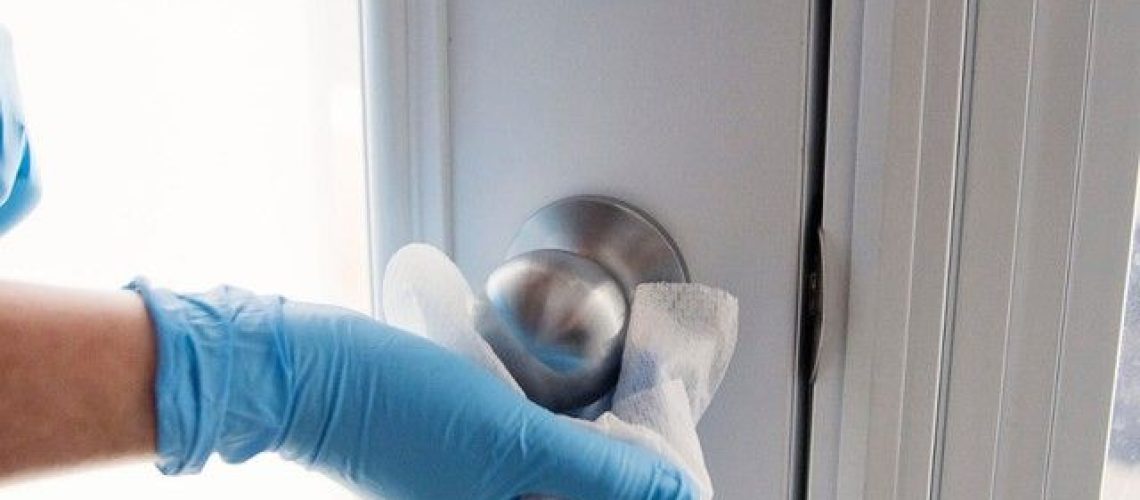
For everyday household hygiene, soap, water, suitable cleaning products and good ventilation can remove dirt and many germs from frequently touched surfaces.
However, cleaning and disinfecting are not the same: cleaning removes dirt and many germs, while disinfecting uses products designed to kill germs that remain on surfaces. In most homes, routine cleaning is sufficient, but extra disinfection may be necessary when someone is ill. By choosing appropriate products, using them correctly and avoiding unnecessary chemical mixtures, Nigerian households can maintain cleaner living spaces without exposing family members to irritating fumes.
1. Understand When Disinfection Is Necessary
Before buying another cleaning product, consider what you need to achieve. Dusty shelves, dirty floors and greasy kitchen counters usually need proper cleaning first. Disinfection may be appropriate when someone in the household is sick or when a surface has been contaminated.
The US Centers for Disease Control and Prevention explains that cleaning with soap or detergent and water removes most germs and dirt from many household surfaces. Disinfection is not routinely necessary in every situation.
This distinction can save money and reduce unnecessary chemical exposure. Rather than disinfecting every wall, floor and piece of furniture daily, focus on cleaning regularly and disinfecting suitable surfaces when the circumstances call for it.
2. Make Soap and Water Your First Choice
For many everyday tasks, warm water, ordinary detergent and a clean cloth are sufficient. Use them to clean kitchen counters, door handles, tables, washable floors and other compatible hard surfaces.
Start by removing visible dirt. Apply the cleaning solution, wipe or scrub as appropriate, then rinse if the product instructions require it. Use a clean cloth rather than spreading dirt from one surface to another.
In Nigerian homes, this approach can work well for everyday dust, cooking splashes and grime from frequent use. However, choose products suited to the material. Wood, natural stone, electronic screens and delicate finishes may require specific cleaning methods.
Remember that soap and water do not automatically disinfect a surface. If you need to kill particular germs, select an appropriate disinfectant and follow its label instructions.
3. Use Vinegar Carefully, Not as a Universal Disinfectant
Vinegar is often recommended as a natural household cleaner because its acidity can help loosen some deposits and remove certain odours. Nevertheless, it is not a reliable replacement for a registered disinfectant when you need to kill disease-causing germs.
You may use vinegar for suitable cleaning tasks if the surface manufacturer permits it. Avoid using it on materials that acids can damage, including some natural stones and certain finishes.
Never mix vinegar with bleach. Combining cleaning chemicals can release dangerous gases or create other hazardous reactions.
The important lesson is simple: a product can help clean a surface without being suitable for disinfection. Choose the method according to the task rather than assuming that natural ingredients are always safer or more effective.
4. Try Baking Soda for Suitable Cleaning Tasks
Baking soda can help with certain household cleaning jobs, particularly where mild abrasion or odour control is useful. For example, a small amount mixed with water can form a paste for cleaning some washable surfaces.
Test it on an inconspicuous area first, especially if the surface is polished or easily scratched. Avoid using abrasive mixtures on delicate finishes unless the manufacturer confirms they are suitable.
Baking soda is not a substitute for a disinfectant. It may assist with removing dirt or odours, but it should not be relied upon to eliminate harmful microorganisms from contaminated surfaces.
Use it selectively, rinse when necessary and store it away from children and pets.
5. Clean High-Touch Surfaces More Consistently
Some surfaces deserve more frequent attention because people touch them repeatedly throughout the day.
These include door handles, light switches, taps, remote controls, phone cases, refrigerator handles and frequently used table surfaces.
Begin by removing visible dirt with a suitable cleaner. If disinfection is needed, choose a product labelled for the surface and the intended use. Follow the required contact time, which is the period the product must remain on the surface to work effectively.
For electronics, consult the manufacturer’s cleaning instructions. Never spray liquid directly into charging ports, switches or other openings.
A consistent routine is often more useful than occasional intensive cleaning. It also reduces the temptation to use unnecessarily strong products throughout the home.
6. Improve Ventilation While Cleaning
Even when using ordinary household cleaners, fresh air can make cleaning more comfortable. Open suitable windows and doors to improve airflow, particularly when using products with noticeable fumes.
Wear gloves if the product instructions recommend them, and avoid prolonged skin contact with cleaning solutions. Keep children and pets away from wet surfaces and stored chemicals until it is safe for them to return.
If a product causes coughing, eye irritation, breathing difficulty or dizziness, stop using it and move to fresh air. Seek medical assistance if symptoms are serious or persistent.
Never mix bleach with vinegar, ammonia or other cleaners. Do not combine products simply because you believe the mixture will clean more effectively.
7. Keep Your Kitchen and Bathroom Hygienic
Kitchen and bathroom surfaces require particular care because they may encounter food residue, moisture and bodily contaminants.
After preparing raw meat or poultry, clean food-contact surfaces and then sanitise them using a product or method suitable for the task. Follow the product label carefully, including any instructions about rinsing before food preparation.
In bathrooms, clean toilets, taps, sinks and frequently touched handles regularly. Use separate cleaning cloths for toilets and kitchen surfaces to avoid transferring contamination between areas.
Wash cleaning cloths and allow them to dry thoroughly between uses. Replace heavily soiled sponges and cloths when they can no longer be cleaned effectively.
These practical steps often matter more than using a strong-smelling product everywhere.
8. Store Cleaning Products Safely
Even products marketed as natural or gentle can cause harm if swallowed, misused or mixed with other substances.
Keep all cleaning products in their original, labelled containers. Store them away from food, children and pets, and never transfer chemicals into drinking-water bottles or food containers.
Read the instructions before use, including dilution requirements and surface restrictions. Do not assume that using a larger quantity will produce better results.
If you prefer fewer chemical products at home, buy only what you need and choose products designed for your specific cleaning tasks. This approach can reduce clutter, unnecessary spending and the risk of accidental exposure.
Frequently Asked Questions
Can vinegar disinfect my entire home? No. Vinegar may help with certain cleaning tasks, but it should not replace an appropriate disinfectant when effective disinfection is required.
Is soap and water enough for everyday cleaning? In many situations, yes. Soap or detergent and water can remove dirt and many germs from household surfaces. Disinfect when circumstances require it.
Can I mix vinegar and bleach? Never. Mixing bleach with vinegar or other cleaners can produce dangerous chemical reactions and fumes.
How often should I disinfect my home? There is no single schedule suitable for every household. Clean regularly, pay attention to high-touch surfaces and disinfect when someone is sick or contamination makes it necessary.
Final Thoughts
A clean home does not require a cupboard full of harsh-smelling products. Soap, water, suitable cleaners, regular attention to high-touch surfaces and good ventilation can support everyday household hygiene. When disinfection is necessary, use a product designed for the task and follow its instructions carefully. Natural cleaning ingredients may have useful applications, but they are not automatically effective disinfectants. By understanding the difference, avoiding dangerous mixtures and storing products safely, you can protect your household while keeping your cleaning routine practical and affordable.
