

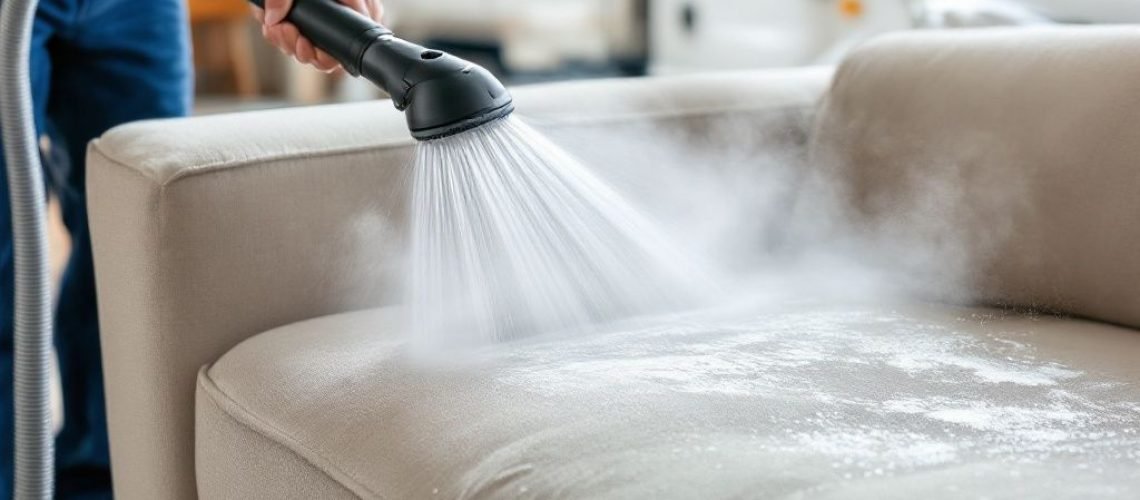
Furniture can look clean while slowly losing its colour, finish, texture and strength.
The damage often comes from ordinary cleaning habits: spraying too much polish, using bleach on upholstery, scrubbing stains aggressively or leaving moisture on wooden surfaces. These mistakes may seem harmless at first, but repeated exposure can shorten the life of sofas, dining tables, cabinets and other household furniture.
The best way to protect your furniture is to match your cleaning method to its material. Wood, leather, fabric, glass and metal do not respond to cleaning products in the same way. A product that removes a stain from one surface may discolour or weaken another.
Here are common cleaning mistakes to avoid and the preventive steps that will help your furniture last longer.
1. Using One All-Purpose Cleaner on Every Surface
An all-purpose cleaner may be convenient, but it is not automatically safe for every material. Some household products contain alcohol, ammonia, bleach, strong solvents or abrasive ingredients. These can strip protective finishes, fade colours or damage delicate upholstery.
For example, a strong degreaser might remove dirt from a hard kitchen surface but leave a cloudy mark on a polished wooden cabinet. Similarly, an alcohol-based cleaner can affect some leather finishes and coated surfaces.
How to prevent it: Read the product label before using a cleaner. Check the furniture manufacturer’s care instructions and choose a product specifically approved for the material. If you cannot identify the finish, begin with a soft, clean cloth and seek guidance before applying chemicals.
2. Scrubbing Stains Instead of Blotting Them
When a drink spills on a sofa, the natural reaction is often to rub the stain until it disappears. Unfortunately, vigorous rubbing can push liquid deeper into the upholstery, spread the stain and damage the fabric fibres.
The same mistake can affect rugs, cushions and upholstered dining chairs. Delicate fabrics may develop rough patches or lose their original texture after repeated scrubbing.
How to prevent it: Act quickly. Use a clean, absorbent, lint-free cloth to blot the spill gently. Work from the outer edge towards the centre to reduce spreading. Follow the upholstery’s cleaning code and avoid adding water or cleaning solution unless the manufacturer permits it.
For stubborn stains, contact a professional upholstery cleaner rather than experimenting with several household remedies.
3. Soaking Wooden Furniture With Water
Wood and wood-based furniture can suffer when moisture remains on the surface or enters joints and edges. Excess water may cause swelling, discolouration, lifting veneer or damage to the finish. This risk increases when someone pours water directly onto a table or uses a very wet mop-like cloth.
In humid environments, moisture can also remain trapped around poorly ventilated furniture.
How to prevent it: Dust with a soft, dry cloth. When a deeper clean is necessary, use a lightly damp cloth only if the manufacturer’s instructions allow it. Wipe gently, then dry the surface immediately. Clean spills as soon as they happen rather than allowing liquid to sit.
Pay special attention to veneer edges, joints and unfinished areas. These parts can be more vulnerable to moisture than sealed surfaces.
4. Applying Too Much Furniture Polish
More polish does not necessarily mean more protection. Repeatedly spraying furniture with large amounts of polish can leave a sticky or oily layer. That residue attracts dust, creates streaks and may build up over time.
Some products also contain silicone or other ingredients that may be unsuitable for particular finishes. Once a residue builds up, removing it can require specialist cleaning.
How to prevent it: Use polish only when the furniture’s care instructions recommend it. Apply a small amount to a cloth rather than spraying heavily across the surface. Follow the stated frequency and avoid combining several products.
For many modern finishes, regular dusting with a clean microfibre cloth is sufficient.
5. Using Bleach on Upholstery and Coloured Furniture
Bleach is useful for specific cleaning and disinfection tasks when used correctly, but it is not a general furniture cleaner. Applying it to coloured fabric can cause permanent fading. It may also weaken fibres, damage finishes or leave uneven patches.
Never assume that a product is safe simply because it removes stains from bathroom tiles or kitchen sinks.
How to prevent it: Keep household bleach away from furniture unless the manufacturer explicitly approves its use for that exact material. Use a suitable fabric cleaner or arrange professional treatment. Always follow the product label and never mix bleach with other cleaning chemicals.
6. Cleaning Leather With Ordinary Soap or Alcohol Wipes
Leather requires careful treatment because its surface finish and natural characteristics can be affected by unsuitable cleaners. Alcohol wipes, harsh soaps, detergents and abrasive sponges may remove protective finishes, dry the surface or cause discolouration.
Even water can leave marks if someone applies too much or rubs aggressively.
How to prevent it: Dust leather with a soft, dry cloth. Blot spills promptly and use a leather-specific cleaner only when the furniture manufacturer recommends it. Test any approved product in a hidden area first. Avoid placing leather sofas near strong sunlight, heat sources or air-conditioning outlets that can dry the material.
7. Leaving Furniture Wet After Cleaning
A surface may appear clean after a wet wipe, but trapped moisture can cause problems beneath cushions, inside joints and around wooden edges. On upholstered furniture, damp padding can develop an unpleasant smell if it does not dry properly.
This is especially important during Nigeria’s rainy season or in rooms with poor ventilation.
How to prevent it: Use as little liquid as possible. Open windows when weather conditions permit, improve airflow and allow cleaned surfaces to dry completely before covering them or replacing cushions. Do not use a sofa while its padding remains damp.
8. Ignoring Dust, Grit and Cleaning Cloths
A dirty cloth can scratch furniture because trapped dust and grit rub against the surface. This is particularly noticeable on glass, glossy finishes and polished wood. Using the same cloth for the kitchen, bathroom and living room can also transfer grease or cleaning chemicals.
How to prevent it: Wash cleaning cloths regularly and use separate cloths for different tasks. Shake out dust before wiping and replace cloths when they become dirty. A soft microfibre cloth is useful for routine dusting, provided it is clean.
9. Exposing Furniture to Too Much Sunlight and Heat
Cleaning is not the only factor that damages furniture. Placement matters too. Prolonged direct sunlight can fade fabric, change the colour of wood and affect some leather finishes. Heat from generators, radiators, appliances or direct sunlight through windows may also dry out or weaken certain materials.
How to prevent it: Position furniture away from intense direct sunlight and heat sources where possible. Use curtains or blinds during periods of strong sunlight. Keep hot pots, cups and serving dishes on suitable heat-resistant mats rather than directly on wooden or coated surfaces.
A Simple Furniture-Safe Cleaning Routine
| Furniture material | Routine care | Avoid |
|---|---|---|
| Solid wood | Soft cloth; wipe spills promptly | Soaking, abrasive cleaners and harsh chemicals |
| Wood veneer | Light dusting; minimal moisture | Wet edges and prolonged water contact |
| Fabric upholstery | Gentle vacuuming; blot spills | Scrubbing, bleach and over-wetting |
| Leather | Soft dry cloth; approved leather cleaner | Alcohol wipes, harsh soap and direct heat |
| Glass | Microfibre cloth and suitable glass cleaner | Abrasive pads and dragging heavy objects |
| Metal | Soft cloth and mild suitable cleaner | Scouring pads and leaving moisture on vulnerable joints |
Always give the manufacturer’s instructions priority over general advice. Furniture finishes differ, even when two pieces appear to use the same material.
When Should You Call a Professional?
Professional help is sensible when a stain has penetrated deep into upholstery, a wooden finish has become cloudy, leather has cracked or a piece has developed a persistent damp smell. Trying several cleaning products can make the problem harder and more expensive to correct.
Before booking a cleaning service, explain the furniture material, the type of stain and any products already used. Share photographs where possible so the cleaner can assess the situation.
A little prevention goes a long way. Use the right cloth, choose suitable products, control moisture and treat spills quickly. Those simple habits can preserve your furniture’s appearance and save you from avoidable repair or replacement costs.
Frequently Asked Questions
1. Can I use vinegar to clean wooden furniture?
Do not assume vinegar is safe for every wood finish. Its acidity may affect some coatings. Follow the furniture manufacturer’s instructions and use a suitable cleaner.
2. Is bleach safe for cleaning sofas?
Generally, no. Bleach can discolour fabric and damage fibres. Use a cleaner approved for the upholstery material instead.
3. How often should I clean my sofa?
Vacuum or gently remove dust regularly, depending on use and household conditions. Deep cleaning should follow the manufacturer’s guidance and the fabric’s cleaning code.
4. Why does my wooden furniture look cloudy after cleaning?
The cloudiness may come from product residue, moisture or damage to the finish. Stop applying more products and seek advice from a furniture-care professional.
5. What is the safest way to clean furniture?
Start with regular dusting using a clean, soft cloth. Use minimal moisture, select material-appropriate products and test approved cleaners in a hidden area first.
