

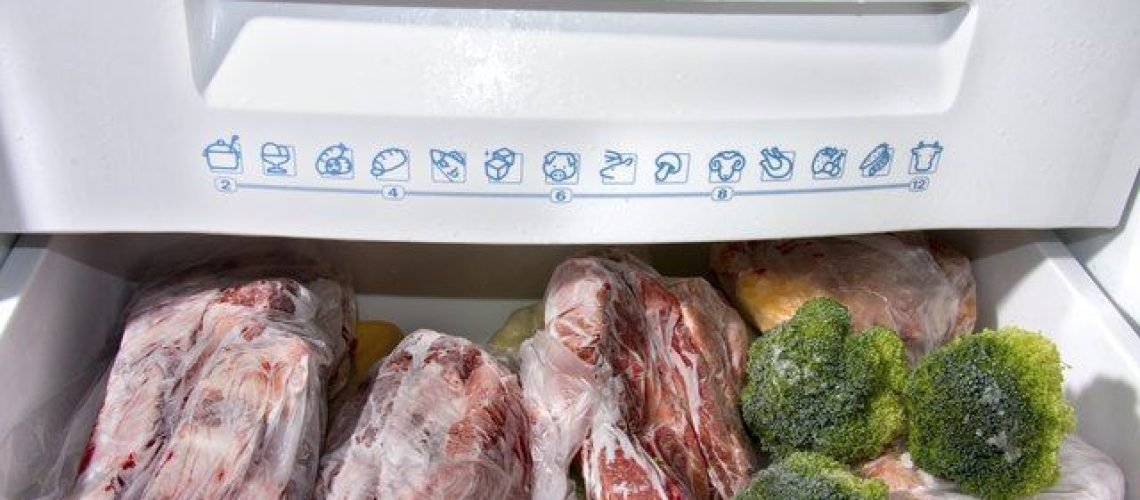
You open your freezer to prepare dinner and discover that the chicken you stored weeks ago has developed dry, pale patches.
Perhaps your frozen fish has turned grey around the edges, or the meat you planned to cook has become covered in ice crystals. Before throwing everything away, understand what you are seeing: it may be freezer burn.
Freezer burn happens when frozen food loses moisture from its surface after exposure to air. It can affect meat, fish, vegetables, bread and other frozen products. Although it changes the food’s appearance, taste and texture, freezer burn does not automatically mean the food is unsafe to eat.
The good news is that you can prevent much of this damage with proper packaging, stable freezer temperatures, sensible portioning and good storage habits. These practices are particularly useful for Nigerian households and food businesses that freeze meat, fish, soups, stews and other ingredients to manage grocery costs.
What Is Freezer Burn?
Freezer burn is a quality problem caused by moisture loss from frozen food. When water escapes from the food’s surface and turns directly into water vapour, the exposed areas become dehydrated. This process is known as sublimation.
Air exposure can also contribute to changes in colour and flavour. As a result, the affected food may develop dry, leathery or discoloured patches.
You may notice:
- Pale or greyish-brown areas on meat.
- Dry, tough edges on frozen fish.
- White or dull patches on vegetables.
- Large ice crystals inside packaging.
- Dry, crumbly areas on bread.
- Changes in flavour after cooking.
Freezer burn is more likely when food is poorly wrapped, stored in packaging that allows air through or exposed to temperature fluctuations.
Freezer Burn vs Spoiled Food: What Is the Difference?
It is important to distinguish freezer burn from food spoilage because the two problems are not identical.
| Feature | Freezer burn | Food spoilage |
|---|---|---|
| Main cause | Moisture loss and air exposure during freezing | Microbial activity, poor handling or other deterioration |
| Appearance | Dry, pale or discoloured patches | May involve mould, unusual colour, slime or other changes |
| Texture | Dry, leathery or tough areas | May become slimy, mushy or otherwise abnormal |
| Smell | Usually no strong spoilage smell from freezer burn alone | May develop an unpleasant or unusual odour |
| Food safety | Mainly affects quality | May create a food-safety risk |
| Prevention | Airtight packaging and stable freezing temperatures | Proper handling, hygiene, temperature control and safe storage |
Appearance alone cannot establish whether frozen food is safe. Food that has remained properly frozen can develop freezer burn without becoming unsafe, but food that has thawed improperly or been contaminated may present a risk even if it looks normal.
The United States Department of Agriculture’s Food Safety and Inspection Service explains that freezer burn does not make food unsafe; it dries out affected areas. However, heavily damaged food may be unpleasant enough to discard for quality reasons.
1. Why Does Freezer Burn Happen?
Understanding the causes makes prevention easier.
Poor packaging
This is one of the most common reasons frozen food develops freezer burn. Thin plastic bags, loosely closed containers and packaging with holes allow air to reach the food.
For example, placing chicken in an ordinary shopping bag and leaving it in the freezer may expose it to air. The meat can gradually lose moisture, particularly if you store it for an extended period.
Use packaging designed for freezing. Food-grade freezer bags, suitable airtight containers, heavy-duty foil and freezer paper can provide better protection when used correctly.
Too much air inside containers
A large container with only a small portion of food inside leaves unnecessary space for air. This increases the area where moisture can escape and can make freezer burn more likely.
Choose containers that fit the quantity you want to freeze. For soups and stews, leave appropriate expansion space because liquids expand when frozen, but avoid excessive empty space.
Temperature fluctuations
A freezer that repeatedly warms and cools can contribute to moisture loss and changes in ice crystals. This may happen when the appliance is frequently opened, overloaded or struggling to maintain a stable temperature.
Power interruptions can also affect freezer conditions. If electricity supply is unreliable, keep the freezer closed during an outage and monitor the condition of the food when power returns.
Long storage periods
Even when food remains frozen, its quality can gradually decline. Packaging may also become less effective over time, particularly if it is thin or damaged.
Freezing does not mean that food will maintain its original taste and texture indefinitely. Store food in quantities you can reasonably use, label each package and follow recommended storage periods for best quality.
2. Use the Right Packaging Before Freezing
Good packaging is your first line of defence against freezer burn.
For meat, fish and poultry, use freezer-safe bags or suitable food-grade wrapping. Remove excess air before sealing, then check that the package has no holes or gaps.
For long-term storage, you may need more than the thin packaging that came with a supermarket product. The USDA recommends using appropriate freezer materials, such as heavy-duty foil, freezer paper and thick freezer bags, to protect food from air exposure.
For soups and stews, use airtight freezer-safe containers. Divide large quantities into smaller portions so you can thaw only what you need.
For vegetables, use packaging that protects them from moisture loss. Prepare vegetables appropriately before freezing, as some types benefit from blanching to maintain quality.
Avoid reusing packaging that has become torn, stretched or contaminated. Also make sure every container is clean and completely suitable for food storage.
3. Remove Excess Air From Freezer Bags
Air trapped inside a freezer bag creates more opportunity for food to lose moisture.
When using freezer bags, place the food inside, spread it into a reasonably flat layer and press out excess air before sealing. Check the seal along the entire opening.
If you freeze meat in portions, wrap each portion securely rather than placing everything into one loosely filled bag. This makes storage easier and reduces the need to expose the entire supply when taking out one meal.
A vacuum sealer can help remove more air, especially for households that freeze large quantities of meat or fish. However, it is not essential. Properly sealed freezer bags and suitable containers can also provide effective protection.
Never use an ordinary thin nylon bag as a substitute for proper freezer packaging. It may tear, leak or fail to protect food adequately during extended storage.
4. Keep Your Freezer at the Right Temperature
The USDA recommends maintaining a freezer at 0°F, approximately -18°C, or below. This temperature helps keep food frozen and preserves quality when the appliance maintains it consistently.
Do not rely only on the freezer’s dial setting. Use an appliance thermometer to check the actual temperature.
If your freezer has an adjustable temperature control, follow the manufacturer’s instructions and allow time for the appliance to stabilise after making changes.
Avoid placing hot food directly into a crowded freezer. Divide large quantities into smaller, shallow containers so they can cool more quickly and freeze efficiently. Do not leave perishable food sitting at room temperature for hours while waiting for it to cool.
Also avoid overloading the freezer to the point where cold air cannot circulate. Organise food so that packages do not block vents or prevent the door from closing properly.
5. Portion Food Before Freezing It
One large container of meat or soup may seem convenient when you buy groceries, but it can create unnecessary problems later.
Imagine purchasing a large quantity of chicken for the month and freezing everything in one bag. When you need two pieces for dinner, you may have to thaw the entire package. If you cannot use the remaining chicken promptly, you create additional handling and storage risks.
Instead, divide food according to the portions you expect to use.
For a household, this could mean separating chicken into quantities for one meal, dividing fish into individual cooking portions or storing soup in containers suitable for one or two servings.
Portioning offers several benefits:
- You thaw only what you need.
- You reduce repeated handling.
- You make meal planning easier.
- You can identify quantities quickly.
- You reduce the likelihood of wasting food.
Label each portion with the food name and date before placing it in the freezer.
6. Store Different Foods Properly
Not all foods need identical preparation before freezing.
Meat and poultry
Divide meat into suitable portions, wrap it securely and label each package. Remove excess air from freezer bags and avoid leaving exposed surfaces.
If meat comes in thin supermarket packaging and you intend to keep it frozen for an extended period, consider overwrapping it with suitable freezer material.
Fish and seafood
Fish can dry out quickly when poorly wrapped. Use suitable freezer bags or containers and ensure the packaging seals properly.
Clean and prepare fish appropriately before freezing. Remove excess water from the exterior where suitable, then package it securely. Keep different types of seafood separated if their odours or handling requirements differ.
Vegetables
Some vegetables benefit from blanching before freezing. Blanching involves briefly heating vegetables in boiling water or steam, then cooling them rapidly. This can help preserve colour, texture and quality during frozen storage.
The correct preparation time varies by vegetable. Do not assume that every vegetable should be frozen in exactly the same way.
Soups and stews
Allow cooked food to cool appropriately and divide it into shallow, freezer-safe containers. Leave room for expansion, close the lids securely and label each portion.
Some ingredients may change texture after freezing. Vegetables with high water content, for example, may become softer after thawing. This does not necessarily mean the food has spoiled.
Bread and baked goods
Wrap bread and baked goods securely to reduce moisture loss. You can freeze slices individually or separate them with suitable food-safe material so you can remove only what you need.
Keep packaging sealed to prevent the bread from absorbing freezer odours.
7. Label and Rotate Frozen Food
A freezer can become difficult to manage when every container looks similar. Without labels, you may forget when food was prepared, what it contains or which package should be used first.
Write the food name and freezing date on each package. Where necessary, include the quantity and any preparation details.
Use older suitable stock before newer purchases. This first-in, first-out method helps reduce forgotten food and makes grocery planning easier.
Arrange the freezer into sections. For example:
- Meat and poultry.
- Fish and seafood.
- Cooked meals and soups.
- Vegetables.
- Bread and baked goods.
A small inventory list on the freezer door can also help. Update it whenever you add or remove food.
Remember that recommended freezer storage times usually relate to quality rather than a simple expiry date. Food kept continuously at 0°F (-18°C) can remain safe for a very long time, but taste and texture may deteriorate.
8. Can You Eat Food With Freezer Burn?
In many cases, yes. Freezer burn itself does not make food unsafe.
If a frozen chicken breast has a small dry patch but has remained properly frozen and was handled safely, you can cut away the affected area before or after cooking. The remaining food may still be usable.
However, heavily freezer-burned food may have an unpleasant texture or flavour. You may decide that it is not worth using.
Before cooking, assess the food’s storage history. Consider whether the freezer maintained a safe temperature, whether the packaging remained intact and whether the food experienced a long period of thawing.
Discard food when there is a credible safety concern, such as evidence of contamination or prolonged exposure to unsafe temperatures. Do not rely on smell or appearance alone to determine safety.
The most important distinction is that freezer burn affects quality, while unsafe handling and temperature abuse can create food-safety risks.
9. Thaw Frozen Food Safely
Preventing freezer burn is only part of the process. You must also thaw food properly.
The safest common methods include:
Refrigerator thawing: Move frozen food into the refrigerator and allow it to thaw gradually. Place meat, poultry and fish in a container to prevent drips from contaminating other foods.
Cold-water thawing: Keep food in a leak-proof package and submerge it in cold water. Change the water regularly and cook the food promptly after thawing.
Microwave thawing: Use the microwave’s defrost function when you intend to cook the food immediately afterwards. Some areas may warm during microwave thawing, allowing microorganisms to grow.
Avoid leaving meat, fish, poultry or cooked meals on the kitchen counter to thaw for several hours.
After thawing, handle the food as you would any other perishable ingredient. Cook it thoroughly and avoid unnecessary delays before preparation.
10. Protect Frozen Food During Power Interruptions
Power interruptions are an important consideration for Nigerian households and food businesses.
When electricity goes off, keep the freezer door closed as much as possible. Opening it repeatedly allows warmer air inside and can speed up thawing.
If you expect an extended outage, consider moving important frozen items into a well-maintained alternative freezer or using suitable insulated storage with adequate ice packs, where available.
Once power returns, check the condition of the food. If food still contains ice crystals or has remained at a safe temperature, it may be possible to keep or refreeze it, although quality may decline. When food has thawed and been held at unsafe temperatures for too long, discard it.
Do not taste food to decide whether it is safe. When storage history is uncertain, use reliable temperature information and recognised food-safety guidance rather than guessing.
11. Common Freezer-Burn Mistakes to Avoid
You can reduce freezer burn significantly by avoiding a few common habits:
- Using ordinary shopping bags: These may not protect food from air exposure during extended storage.
- Leaving packages partly open: Poor seals allow moisture to escape.
- Freezing large quantities in one container: You may need to thaw more food than you can use.
- Ignoring freezer temperature: A freezer that cannot maintain a stable temperature may reduce food quality.
- Overloading the appliance: Poor air circulation can affect freezing performance.
- Forgetting to label food: Old packages may remain in storage for too long.
- Leaving the freezer door open: Warm air can enter and cause temperature fluctuations.
- Assuming frozen food is safe indefinitely regardless of handling: Freezing does not undo contamination or make improperly handled food safe.
Keep Your Frozen Food in Better Condition
Freezer burn can be frustrating, especially when you have spent money buying meat, fish and other ingredients in bulk. However, it is largely preventable.
Use suitable freezer packaging, remove excess air, maintain a stable temperature, portion food before freezing and label every container. These habits help preserve flavour and texture while making your freezer easier to organise.
Most importantly, remember that freezer burn is usually a quality issue rather than a food-safety issue. Assess the food’s storage history, handle it safely and discard anything that may have become unsafe. With a consistent routine, you can make better use of your freezer, reduce food waste and protect the value of your grocery purchases.
Frequently Asked Questions
1. Is freezer-burned meat safe to eat?
Freezer burn alone does not make meat unsafe. It causes moisture loss and dry, discoloured areas. If the meat has remained properly frozen and was handled safely, you can remove affected sections and use the rest. However, discard meat when its storage history or safety is uncertain.
2. What causes freezer burn on chicken and fish?
Freezer burn happens when air reaches the food’s surface and moisture escapes during frozen storage. Poor packaging, damaged seals and temperature fluctuations can increase the problem. Secure wrapping and stable freezer temperatures help prevent it.
3. Can I prevent freezer burn without a vacuum sealer?
Yes. Use freezer-safe bags or airtight containers, remove excess air, seal packages properly and avoid leaving large empty spaces around the food. A vacuum sealer can help, but it is not essential.
4. Does freezer burn mean food has expired?
No. Freezer burn is not an expiry date. It indicates a decline in quality caused by moisture loss. However, food that has been stored too long may have poor flavour or texture, and unsafe handling can create risks unrelated to freezer burn.
5. What is the best freezer temperature to prevent freezer burn?
The USDA recommends maintaining a freezer at 0°F (-18°C) or below. Use an appliance thermometer to monitor the actual temperature and avoid frequent fluctuations. Proper packaging remains important even when the freezer is cold enough.
