

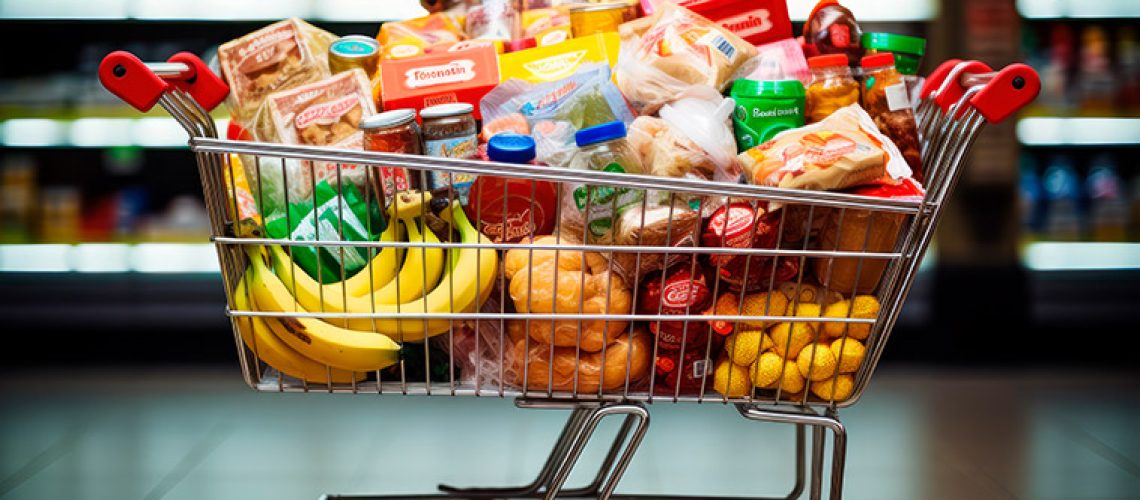
Monthly household shopping can easily become expensive, stressful and time-consuming when there is no clear plan.
From food and cleaning supplies to toiletries and other essentials, buying everything at once requires more than simply writing down what the household needs. A smarter approach involves planning ahead, understanding consumption patterns and making deliberate purchasing decisions.
With the right system, monthly shopping can help households save money, reduce waste and avoid the frustration of running out of important items unexpectedly.
Start With What You Already Have
Before creating a shopping list, check your cupboards, refrigerator, freezer and storage areas. Many households buy duplicates simply because they forget what is already available.
Take note of items that are running low, products that have been overstocked and things that have remained unused for several weeks. This simple habit prevents unnecessary purchases and helps you make better use of existing supplies.
Create a Monthly Household List
Instead of creating a new shopping list from scratch every time, develop a basic monthly list covering the household’s regular needs.
Divide the list into categories such as:
- Food and groceries
- Cleaning supplies
- Toiletries
- Laundry products
- Baby or children’s essentials
- Pet supplies, where applicable
- Household maintenance items
Having categories makes shopping more organised and reduces the chances of forgetting important items.
Track How Quickly Your Household Uses Things
Not every product needs to be purchased every month. Some items may last several months, while others need frequent replacement.
For example, a large family may go through cooking oil, rice, detergent and toiletries quickly, while products such as certain cleaning tools or household accessories may last much longer.
Pay attention to how quickly your household consumes frequently purchased products. This information can eventually help you estimate realistic monthly quantities rather than relying on guesswork.
Separate Needs From Wants
One of the easiest ways to overspend is to treat every attractive product as a necessity.
Before adding something to your cart, ask whether the household genuinely needs it this month. If the answer is no, consider postponing the purchase.
This does not mean eliminating every occasional treat. Instead, it creates a clear distinction between essential spending and discretionary spending, making the monthly budget easier to control.
Buy in Bulk When It Makes Sense
Bulk buying can be useful for products that are regularly consumed and have a reasonable shelf life. Items such as rice, beans, tissue paper, detergent and some packaged household products may offer better value when purchased in larger quantities.
However, bigger packaging is not automatically cheaper. Compare the price per kilogram, litre or unit before buying.
More importantly, avoid buying large quantities simply because there is a discount. A cheaper product that goes unused is still wasted money.
Plan Around Your Budget
Set a monthly household shopping budget before you begin buying. If possible, divide it into essential and flexible spending.
A simple approach is to prioritise:
- Essential food and household supplies.
- Regular personal-care and cleaning products.
- Items that need replacement.
- Optional purchases and treats.
If prices increase or an unexpected expense affects the budget, protect the essentials first and postpone less important purchases.
Compare Prices Before Buying
Prices can vary significantly between supermarkets, local markets, wholesalers and online stores. Comparing prices can therefore make a meaningful difference, especially when purchasing several items.
However, price should not be the only consideration. Quality, quantity, transportation costs and convenience also matter.
A product that costs slightly more but lasts twice as long may provide better value than the cheapest available option.
Shop With a Meal Plan
Food shopping becomes much easier when it is connected to a meal plan. Plan the main meals your household expects to prepare during the month, or at least for the first few weeks. Then build your food purchases around those meals.
This can reduce impulse buying and prevent the common situation where a household has plenty of food but struggles to decide what to cook.
It also helps reduce food waste because you are purchasing ingredients with specific uses in mind.
Leave Room for Unexpected Needs
A monthly shopping plan should be organised without being rigid. Emergencies, guests, price changes and unexpected household needs can happen.
Rather than spending the entire budget immediately, keep a small portion available for unforeseen purchases. This creates flexibility and reduces the need to borrow money or disrupt other financial commitments when something unexpected comes up.
Store Purchases Properly
Good shopping habits do not end at the checkout. How you store what you buy can determine whether your purchases actually provide value.
Keep dry foods in clean, dry and well-sealed containers. Arrange products according to their expiry dates and use older items first. Refrigerate or freeze products that require cold storage, and keep cleaning chemicals away from food.
An organised storage system also makes it easier to see what needs to be replaced during the next shopping cycle.
Review Your Spending Every Month
At the end of each month, take a few minutes to review your shopping.
Ask:
- Which items did we run out of too quickly?
- Which products did we buy but barely use?
- Where did we overspend?
- Which purchases offered good value?
- What can we remove from next month’s list?
These observations make the next shopping trip more accurate. Over time, your household will develop a shopping system based on actual consumption rather than assumptions.
Make Monthly Shopping a Household System
A smarter approach to monthly household shopping is not about buying the cheapest products or purchasing everything in bulk. It is about making informed decisions before spending money.
By checking existing supplies, tracking consumption, planning meals, comparing prices, setting a budget and reviewing purchases regularly, households can make their monthly shopping more efficient and predictable.
The goal is simple: buy what you need, buy it at a sensible value, use what you buy and waste less. With consistency, monthly shopping can become less of a financial burden and more of a practical household routine.
