

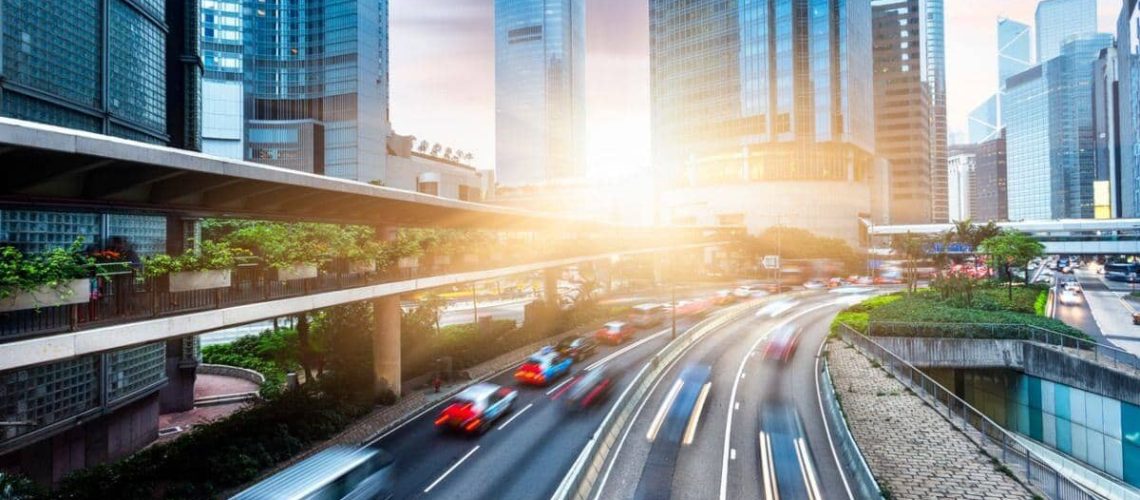
Affordable Urban Mobility Solutions: Making City Travel Easier and More Accessible
As African cities continue to expand, moving from one place to another has become both more important and more challenging. Rapid urbanization, increasing populations, traffic congestion, and rising transportation costs affect millions of commuters every day. Consequently, finding affordable urban mobility solutions has become a priority for governments, businesses, and residents alike.
Fortunately, innovation, technology, and community-driven initiatives are creating new ways for people to travel efficiently without spending a significant portion of their income. From improved public transportation to shared mobility services, affordable transport options are helping cities become more connected, productive, and environmentally sustainable.
Understanding Urban Mobility
Urban mobility refers to how people move within cities using various forms of transportation. These include:
- Public buses
- Trains and light rail systems
- Walking
- Cycling
- Motorcycles
- Shared taxis
- Ride-hailing services
- Electric mobility options
An effective urban mobility system allows people to travel safely, quickly, affordably, and conveniently while supporting economic growth.
Why Affordable Mobility Matters
Transportation affects almost every aspect of urban life. Workers need reliable transport to reach their jobs, students depend on it to attend school, while businesses rely on efficient logistics to serve customers.
Affordable mobility offers numerous benefits.
Reduces Household Expenses
Transportation often represents one of the largest monthly expenses for urban families. Lower-cost commuting allows households to spend more on education, healthcare, housing, and savings.
Supports Economic Growth
When transportation becomes accessible, people can access more employment opportunities, businesses attract larger customer bases, and cities experience increased productivity.
Improves Quality of Life
Shorter commute times reduce stress and allow people to spend more time with family, pursue education, or engage in leisure activities.
Promotes Social Inclusion
Affordable transport connects underserved communities to schools, hospitals, government services, and commercial centers, reducing inequality across cities.
Public Transportation: The Backbone of Urban Mobility
Public transportation remains one of the most affordable ways to move large numbers of people.
Many African cities operate:
- City buses
- Bus Rapid Transit (BRT) systems
- Commuter trains
- Minibuses
- Shared taxis
When properly managed, these systems provide reliable transport at a fraction of the cost of private vehicles.
For example, dedicated BRT lanes reduce travel times while lowering fuel consumption and operating costs.
Ride-Sharing and Carpooling
Ride-sharing platforms have introduced flexible transportation alternatives. Instead of every commuter driving alone, multiple passengers heading in the same direction can share rides and split transportation costs.
Benefits include:
- Lower commuting expenses
- Reduced traffic congestion
- Less fuel consumption
- Fewer carbon emissions
- Better utilization of existing vehicles
Many workplaces are also encouraging employee carpooling to reduce parking demand and transportation costs.
Cycling as a Cost-Effective Alternative
Cycling continues to gain popularity as cities invest in bicycle lanes and safer infrastructure.
Compared to motorized transport, bicycles offer several advantages:
- Minimal operating costs
- No fuel expenses
- Low maintenance
- Health benefits
- Zero emissions
For short-distance travel, cycling can often be faster than driving during rush hour. Several African cities have started promoting cycling through awareness campaigns and dedicated bike-sharing initiatives.
Walking-Friendly Cities
Walking remains the most affordable mode of transportation. However, safe pedestrian infrastructure is essential.
Cities can encourage walking by investing in:
- Wide sidewalks
- Safe pedestrian crossings
- Street lighting
- Shade trees
- Traffic calming measures
Walkable neighborhoods not only reduce transportation costs but also improve public health and local business activity.
Smart Mobility Technologies
Technology is making urban transportation more efficient than ever.
Digital innovations now allow commuters to:
- Track buses in real time
- Plan the fastest routes
- Purchase digital transport tickets
- Compare transportation costs
- Access shared mobility services through mobile apps
These tools help commuters save both time and money while reducing uncertainty during daily travel.
Electric Mobility Solutions
Electric transportation is gradually becoming more accessible across Africa.
Options include:
- Electric buses
- Electric motorcycles
- Electric bicycles
- Electric scooters
Although the initial investment may be higher, operating costs are generally much lower due to reduced fuel and maintenance expenses. As charging infrastructure expands, electric mobility is expected to become increasingly affordable.
Informal Transport Still Plays an Important Role
In many African cities, informal transportation systems remain essential.
These include:
- Shared minibuses
- Motorcycle taxis
- Shared tricycles
- Community shuttle services
Although these services often receive criticism, they provide flexible transportation where formal systems are unavailable. With better regulation, safety standards, and digital integration, informal transport can become an even more effective part of urban mobility.
Challenges Facing Affordable Urban Mobility
Despite ongoing progress, several obstacles remain.
Traffic Congestion
Growing vehicle ownership continues to overwhelm existing road infrastructure.
Poor Infrastructure
Many cities lack adequate roads, sidewalks, cycling lanes, and public transport terminals.
Rising Fuel Prices
Higher fuel costs directly affect transportation fares and logistics expenses.
Limited Public Investment
Many transport systems require significant upgrades, maintenance, and expansion.
Urban Sprawl
As cities expand outward, commuting distances increase, making transportation more expensive for residents.
Innovative Solutions Emerging Across Africa
Several innovative approaches are helping improve urban mobility.
Integrated Transport Systems
Cities are increasingly connecting buses, trains, taxis, and ride-sharing services into unified transportation networks.
Digital Payment Systems
Cashless fare payments improve convenience, reduce delays, and increase transparency.
Bus Rapid Transit Expansion
More cities are investing in dedicated bus corridors to improve travel speeds and reduce congestion.
Micro-Mobility
Electric bicycles and scooters provide affordable options for short-distance travel, especially for last-mile connectivity.
Mobility-as-a-Service (MaaS)
Digital platforms are beginning to combine multiple transportation options into one application, allowing users to compare costs and plan seamless journeys.
How Individuals Can Reduce Transportation Costs
Residents can also lower commuting expenses through practical strategies.
- Combine multiple errands into one trip.
- Use public transport whenever possible.
- Share rides with colleagues or neighbors.
- Walk short distances instead of driving.
- Cycle for nearby destinations.
- Travel during off-peak hours when feasible.
- Use route-planning apps to avoid traffic delays.
- Maintain vehicles regularly to improve fuel efficiency.
Small adjustments can lead to significant savings over time.
The Future of Urban Mobility
The future of affordable transportation will depend on collaboration between governments, private companies, technology providers, and local communities. Emerging technologies such as autonomous vehicles, artificial intelligence, smart traffic management, and expanded electric mobility have the potential to make city transportation safer, cleaner, and more affordable.
At the same time, investments in inclusive infrastructure and sustainable planning will remain essential as urban populations continue to grow.
Conclusion
Affordable urban mobility is more than just getting from one place to another. It enables access to jobs, education, healthcare, and economic opportunities while improving overall quality of life. As African cities continue to evolve, combining efficient public transportation, smart technology, cycling infrastructure, ride-sharing, and sustainable mobility solutions will help create more connected and resilient urban environments.
By embracing innovative transport systems and making thoughtful investments, cities can reduce congestion, lower commuting costs, and ensure that mobility remains accessible to everyone. Affordable urban mobility is not simply a transportation goal, it is a foundation for inclusive urban development, stronger economies, and a better future for millions of city residents.
