

Africa is home to some of the world’s most fascinating cities, and many of them have developed around rivers, lakes, lagoons, and oceans.
These waterways do more than shape the geography of a city. They influence culture, transportation, tourism, food, business, recreation, and everyday life.
From bustling coastal cities overlooking the Atlantic Ocean to peaceful communities built beside enormous freshwater lakes, African cities offer waterfront experiences that are remarkably diverse. For travelers looking beyond traditional sightseeing, these destinations provide opportunities to experience cities from a different perspective.
Lagos, Nigeria: Life Along the Lagoon and Atlantic Coast
Lagos is one of Africa’s most energetic waterfront cities. The Nigerian megacity sits along the Atlantic coast and is surrounded by waterways, including Lagos Lagoon.
The waterfront reflects the city’s fast-paced lifestyle. Visitors can explore beaches, waterfront restaurants, boat services, and entertainment venues while watching boats move across the lagoon. Areas such as Lekki and Victoria Island combine modern urban development with coastal scenery.
Lagos also offers a glimpse into the importance of waterways for transportation and commerce. Ferries and boats provide alternatives to road travel, while fishing communities continue to maintain connections with the water.
For visitors, Lagos demonstrates how a major African city can combine business, entertainment, culture, and coastal living.
Cape Town, South Africa: Ocean Views Against a Mountain Backdrop
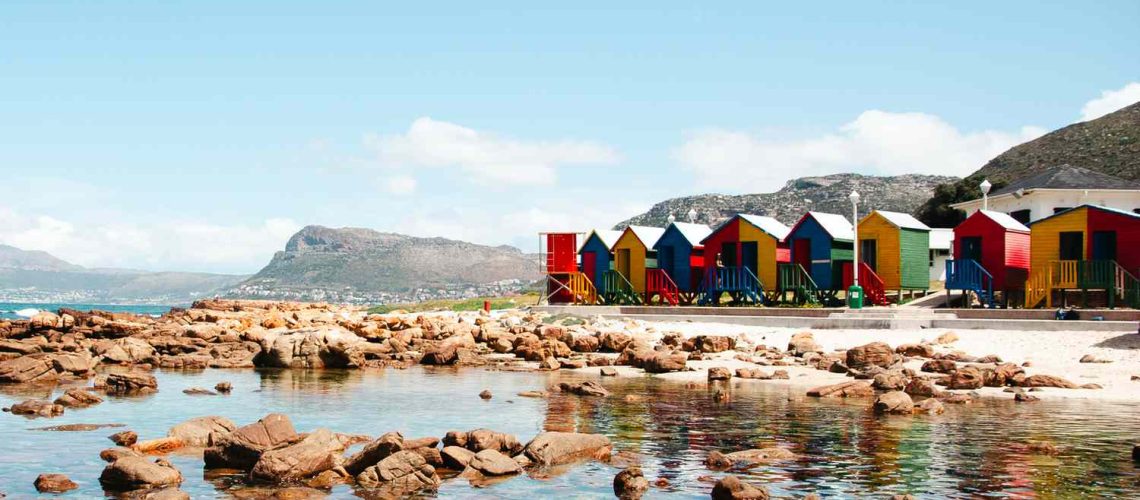
Few African waterfront settings are as visually striking as Cape Town. The city sits between mountains and the Atlantic Ocean, creating a dramatic landscape that attracts visitors throughout the year.
The V&A Waterfront is one of the city’s most popular destinations. It combines shopping, restaurants, entertainment, cultural attractions, harbor activities, and views of Table Mountain.
Beyond the busy waterfront district, Cape Town has beaches and coastal neighborhoods where visitors can enjoy a slower atmosphere. The city’s relationship with the ocean is also closely connected to its history, fishing industry, tourism sector, and maritime activities.
The combination of mountains, ocean, architecture, and entertainment makes Cape Town particularly appealing to travelers seeking a waterfront experience with a sophisticated urban atmosphere.
Alexandria, Egypt: Mediterranean Heritage by the Sea
Alexandria offers a different type of waterfront experience. Located along Egypt’s Mediterranean coast, the historic city has been connected to the sea for centuries.
The Corniche provides an opportunity to experience Alexandria’s coastal character. Residents and visitors gather along the waterfront to enjoy sea views, restaurants, cafés, and the atmosphere of one of Egypt’s most important historic cities.
Alexandria’s waterfront is especially interesting because it combines modern urban life with layers of ancient and modern history. The Mediterranean has influenced the city’s trade, architecture, cuisine, and cultural identity for generations.
A walk along the Corniche can therefore feel like both a leisure activity and a journey through history.
Dakar, Senegal: Atlantic Energy and Coastal Culture
Dakar is positioned on the Atlantic coast and offers travelers an experience strongly connected to the ocean.
The city’s coastline provides spectacular views, while fishing communities, beaches, restaurants, and public spaces contribute to Dakar’s vibrant coastal identity. Traditional fishing boats, known as pirogues, are an important part of the visual character of the city’s shoreline.
Dakar’s waterfront also reflects Senegal’s strong artistic and cultural traditions. Music, food, fashion, and social gatherings often intersect with coastal life, giving visitors more than just a scenic view of the ocean.
The city is a good destination for travelers who want to experience the relationship between a modern African capital and its maritime heritage.
Maputo, Mozambique: A Relaxed Waterfront Atmosphere
Maputo provides a more relaxed waterfront experience. Mozambique’s capital sits along Maputo Bay, giving the city an attractive relationship with the Indian Ocean.
The Marginal waterfront is an important recreational area where residents enjoy walks, food, social gatherings, and views across the bay. The city’s Portuguese-influenced architecture, tropical environment, and coastal setting create a distinctive atmosphere.
Seafood is also an important part of the local food culture. Travelers can combine waterfront exploration with opportunities to experience Mozambican cuisine and hospitality.
Maputo demonstrates that waterfront tourism does not always need to revolve around large attractions. Sometimes, the simple experience of walking beside the water and observing daily city life can be equally memorable.
Dar es Salaam, Tanzania: Where Urban Life Meets the Indian Ocean
Dar es Salaam is one of East Africa’s major coastal cities, with the Indian Ocean playing a central role in its identity.
The city combines busy port activities with beaches, restaurants, islands, markets, and recreational spaces. Visitors can explore the coastline, enjoy seafood, or take boat trips to nearby islands.
One of the most interesting aspects of Dar es Salaam is the contrast between its commercial importance and its relaxed coastal lifestyle. Large-scale maritime activity exists alongside communities whose daily lives remain closely connected to fishing and the sea.
This combination makes the city an excellent destination for travelers interested in both urban development and coastal culture.
Accra, Ghana: Beaches, Culture, and Coastal Living
Ghana’s capital provides another distinctive African coastal experience. Accra sits along the Gulf of Guinea and has several popular beaches and coastal entertainment areas.
Places such as Labadi Beach have become associated with music, food, social gatherings, and relaxation. The coastline provides a lively setting where residents and visitors can experience aspects of Ghanaian culture outside traditional tourist attractions.
Accra’s waterfront also shows how coastal spaces can become important social and economic environments. Restaurants, hotels, entertainment businesses, vendors, and tourism operators all contribute to the activity around the city’s beaches.
Kisumu, Kenya: A Freshwater Waterfront Experience
Not every African waterfront experience is connected to the ocean. Kisumu, located on the shores of Lake Victoria in western Kenya, offers a fascinating freshwater alternative.
The city provides access to one of Africa’s largest lakes, with opportunities to enjoy waterfront parks, boat rides, fishing activities, and spectacular sunsets.
Lake Victoria has also shaped the economic and cultural identity of communities around Kisumu. Fishing and lake-related trade remain important, while tourism has created additional opportunities for local businesses.
For travelers who prefer freshwater landscapes to busy oceanfront destinations, Kisumu offers a more tranquil experience.
Why African Waterfront Cities Are Worth Exploring
Waterfront cities reveal an important side of African urban life. Rivers, lakes, lagoons, and oceans often influence everything from transportation and food to architecture and tourism.
They also provide opportunities for travelers to move beyond conventional attractions. A waterfront visit might involve eating freshly prepared seafood, taking a ferry, watching fishermen return with their catch, exploring a historic harbor, or simply enjoying a sunset beside the water.
As African cities continue to grow, waterfront areas are also becoming increasingly important for recreation, tourism, investment, and urban development. The challenge is to develop these spaces while protecting coastal ecosystems and ensuring that local communities continue to benefit from them.
Exploring Africa Through Its Waterfronts
From Lagos and Dakar to Cape Town, Maputo, Dar es Salaam, Alexandria, Accra, and Kisumu, African cities offer remarkably different ways to experience life beside the water.
Some destinations are energetic and modern, while others provide quiet landscapes and traditional fishing cultures. Together, they demonstrate how waterways have helped shape African cities for generations.
For travelers searching for memorable experiences, Africa’s waterfront cities offer more than beautiful scenery. They provide a chance to see how geography, culture, commerce, history, and everyday life come together along the water.
