

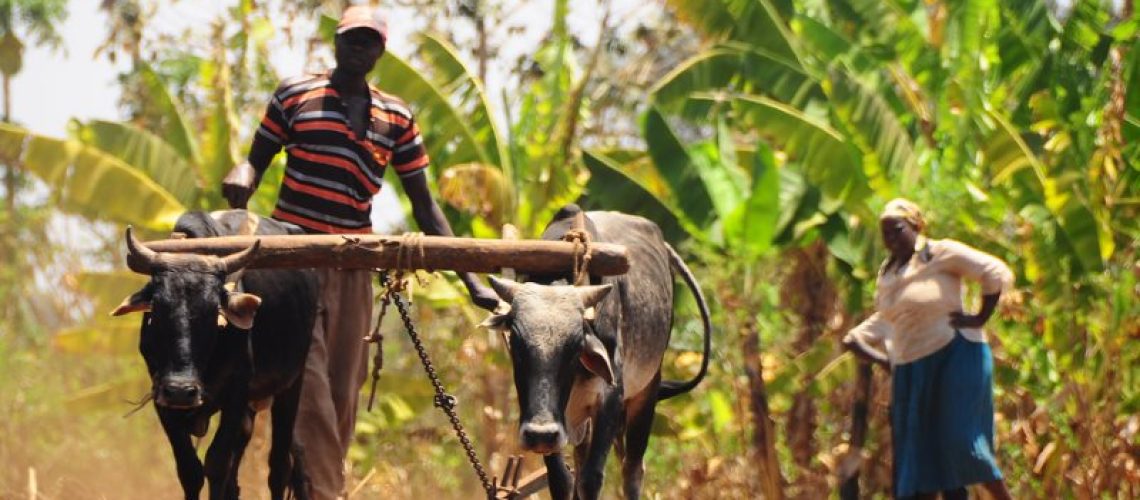
Africa has a rich agricultural heritage shaped by its diverse climates, indigenous knowledge, and cultural traditions.
For generations, farming has provided food, employment, and a strong sense of community across the continent. From terraced hillsides in East Africa to ancient irrigation systems in North Africa, traditional farming practices reveal how communities have adapted to their environments while preserving their cultural identities.
Today, travellers can explore these agricultural traditions through rural tourism, farm visits, cultural festivals, and community-led experiences. These destinations offer opportunities to understand how local farmers cultivate crops, manage livestock, conserve water, and pass agricultural knowledge from one generation to the next.
Here are several African destinations where visitors can discover the relationship between traditional farming, culture, and everyday life.
1. Konso, Ethiopia: Ancient Terraced Farming
Konso, in southern Ethiopia, is widely recognised for its traditional agricultural landscape. The area features extensive stone terraces built into steep hillsides to support cultivation and reduce soil erosion.
For centuries, Konso communities have developed farming techniques suited to their challenging terrain. Farmers use stone walls to retain soil and moisture while making productive use of limited agricultural land. They cultivate crops such as sorghum, maize, and other locally suitable varieties.
The terraces demonstrate how traditional engineering can support food production and environmental conservation. Visitors can explore the cultural landscape, observe farming practices, and learn how community cooperation helps maintain the terraces.
The Konso Cultural Landscape is also a UNESCO World Heritage Site, recognised for its distinctive agricultural and cultural traditions.
2. The Loita Hills, Kenya: Pastoralism and Indigenous Knowledge
The Loita Hills in southern Kenya offer insight into the pastoral traditions of Maasai communities. In this region, livestock keeping has historically played an important role in household livelihoods, social relationships, and cultural identity.
Cattle, goats, and sheep provide milk, meat, and other resources. Pastoralists draw on detailed knowledge of grazing conditions, seasonal rainfall, and water availability to manage their herds.
Although pastoralism differs from crop cultivation, it remains an important traditional agricultural system. Livestock movement allows communities to respond to changing environmental conditions and make use of different grazing areas.
Travellers visiting through responsible, community-led cultural tourism can learn about pastoral life, traditional livestock management, and the relationship between people, animals, and the landscape.
Visitors should seek permission before photographing residents or entering grazing areas and should follow local guidance.
3. The Fouta Djallon Highlands, Guinea: Farming in the Highlands
The Fouta Djallon Highlands in Guinea are known for their elevated landscapes, valleys, rivers, and rural settlements. Agriculture supports many communities in the region, with farming systems adapted to local rainfall, soil conditions, and differences in elevation.
Farmers cultivate crops such as fonio, rice, maize, and other staples suited to their particular locations. Fonio, an indigenous West African cereal, has a long history of cultivation and remains significant in regional food traditions.
The area’s agricultural heritage also reflects the importance of family labour, seasonal planting, and knowledge passed down through generations. Traditional farming practices help communities respond to local environmental conditions while maintaining food traditions.
Visitors interested in rural life can explore the highlands with local guides, learn about indigenous crops, and discover how agriculture connects to regional cuisine and community livelihoods.
4. The Omo Valley, Ethiopia: Farming and Livestock Traditions
The Omo Valley in southwestern Ethiopia contains diverse communities whose livelihoods have historically combined crop cultivation, livestock keeping, fishing, and other activities.
Along the Omo River, seasonal flooding has supported agricultural practices in which farmers use fertile riverside land to cultivate crops. Depending on the community and location, these crops may include sorghum, maize, and other staples.
Livestock also plays a significant role in several communities, providing food, wealth, and social value. Farming methods vary across the region because different groups respond to different landscapes and seasonal conditions.
A visit can offer valuable insight into the relationship between agriculture, food security, and local culture. However, the region’s communities are diverse and should not be treated as a single cultural group.
Travellers should choose locally guided experiences that respect community consent, privacy, and cultural practices.
5. The Dogon Country, Mali: Farming on the Bandiagara Escarpment
Dogon Country in central Mali is known for its distinctive settlements, rocky landscapes, and long-established agricultural traditions.
Farmers have historically cultivated millet, sorghum, and other crops suited to the Sahel’s challenging climate. In many areas, agriculture depends on careful management of limited rainfall, soil fertility, and available land.
The surrounding landscape has influenced where communities establish settlements and how they organise cultivation. Traditional knowledge helps farmers determine planting periods and adapt to seasonal variations.
Agriculture is also connected to local food preparation, community cooperation, and cultural identity. Exploring this heritage can help visitors understand how farming communities have responded to environmental pressures over time.
Because security conditions in Mali can change considerably, travellers should check current official travel advisories before considering a visit.
6. The Great Rift Valley, Tanzania: Traditional Crop Cultivation
Tanzania’s Great Rift Valley and its surrounding highlands contain a variety of farming systems shaped by differences in altitude, rainfall, and soil.
In rural communities, traditional cultivation may include maize, beans, millet, bananas, and other crops. Farmers often combine several crops to support household consumption and reduce dependence on a single harvest.
Intercropping, seed selection, and the use of organic materials to maintain soil fertility are among the practices found in different local farming systems. Their use varies by community, location, and household resources.
Visitors exploring rural areas can learn about seasonal planting, food preparation, and the relationship between farming and local markets. Community-based tourism can also create opportunities for farmers to share their knowledge and earn additional income.
Travellers should arrange visits with local guides or hosts rather than entering farms without permission.
Why Traditional Farming Destinations Matter
Traditional farming destinations offer more than attractive rural scenery. They help preserve agricultural knowledge, support local livelihoods, and demonstrate how communities have responded to environmental challenges.
These destinations can also contribute to sustainable tourism when visitors pay local guides, purchase local products, and respect community customs.
Traditional agriculture should not be romanticised, however. Many rural communities face challenges such as limited infrastructure, changing weather patterns, soil degradation, and restricted access to markets. Tourism can provide supplementary income, but it is not a substitute for the resources farmers need to sustain their livelihoods.
Responsible visitors should therefore prioritise locally owned experiences and recognise farmers as knowledge holders rather than simply as tourist attractions.
How to Experience Traditional Farming Responsibly
Travellers interested in agricultural heritage can make their visits more meaningful by following a few practical principles:
- Choose community-led tours: Work with local guides, cooperatives, or hosts who can explain farming practices accurately.
- Respect working farms: Ask permission before entering cultivated land, handling equipment, or photographing people.
- Learn about local crops: Ask how indigenous grains, vegetables, and other crops are planted, harvested, stored, and prepared.
- Buy directly from producers: Where possible, purchase local produce and handmade goods at fair prices.
- Travel at suitable times: Research planting and harvesting seasons, weather conditions, accessibility, and current security advice before departure.
Conclusion
Africa’s traditional farming heritage reflects centuries of innovation, adaptation, and cultural exchange. From the stone terraces of Konso and the pastoral landscapes of Kenya to the irrigation traditions of Egypt and the flood-recession agriculture of Mali, each destination tells a different story about how people produce food and sustain their communities.
Exploring these places can deepen a traveller’s understanding of African history, local cuisines, environmental conservation, and rural livelihoods. With respectful planning and meaningful engagement with local communities, agricultural tourism can help preserve traditional knowledge while creating opportunities for cultural exchange and local economic development.
