

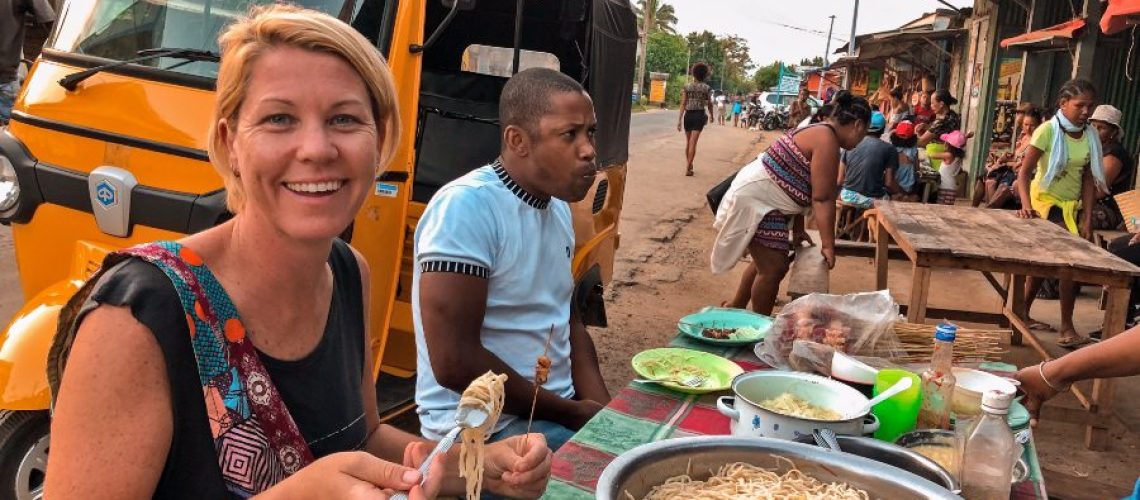
Africa is a continent of extraordinary landscapes, cultures, traditions, and flavours.
From spicy West African dishes to fragrant North African meals and fresh coastal cuisine, food is an important part of the travel experience.
For many travellers, tasting local food provides an opportunity to understand a destination beyond its famous landmarks. Markets, restaurants, street-food stalls, family kitchens, and cultural festivals all offer different ways to discover the history and identity of a place.
If food is an important part of your travel plans, these African destinations deserve a place on your list.
1. Lagos, Nigeria
Lagos is one of the best places to experience the variety of Nigerian cuisine. The city’s energetic food scene combines traditional meals with modern restaurants, street-food vendors, and international influences.
Visitors can try popular dishes such as jollof rice, suya, pepper soup, pounded yam, egusi soup, and assorted grilled foods. Local markets also provide opportunities to discover fresh ingredients and regional cooking styles.
Beyond the food itself, Lagos offers an exciting atmosphere where meals are often connected to social gatherings, celebrations, and everyday city life.
2. Marrakech, Morocco
Marrakech is a fascinating destination for travellers interested in North African cuisine. Moroccan cooking is known for its use of aromatic spices, slow-cooked dishes, fresh herbs, and combinations of sweet and savoury flavours.
Tagine is one of the country’s most recognisable dishes. Couscous, pastilla, harira, and Moroccan mint tea are also popular choices.
The city’s markets provide another dimension to the experience. Walking through food stalls and traditional markets allows visitors to see ingredients being prepared and sold in ways that reflect generations of culinary traditions.
3. Accra, Ghana
Accra offers travellers an opportunity to explore Ghanaian cuisine in both traditional and contemporary settings.
Popular dishes include waakye, banku with soup or grilled fish, fufu, kenkey, red-red, and jollof rice. Street-food vendors also serve snacks and grilled foods that are convenient for visitors exploring the city.
Food markets and local restaurants can introduce travellers to flavours that may not be available in conventional tourist establishments.
4. Cape Town, South Africa
Cape Town has a diverse culinary identity influenced by African, European, Asian, and Cape Malay traditions.
The city’s food scene includes everything from traditional South African meals to sophisticated restaurants and neighbourhood eateries.
Visitors can explore dishes such as bobotie, bredie, koeksisters, and various braai preparations. The city’s multicultural heritage makes food exploration particularly interesting.
Cape Town is also surrounded by agricultural and wine-producing regions, giving travellers access to fresh local produce and distinctive regional flavours.
5. Addis Ababa, Ethiopia
Addis Ababa is an excellent destination for travellers who want to experience Ethiopian food.
Ethiopian cuisine is particularly known for injera, a fermented flatbread commonly served with different stews and vegetables. Dishes such as doro wat, tibs, and shiro offer different combinations of spices and textures.
Meals are often highly social. Sharing food from a communal platter can make the dining experience as memorable as the dishes themselves.
Coffee is another important part of Ethiopian culture. Visitors may encounter traditional coffee ceremonies that demonstrate the cultural importance of the drink.
6. Dakar, Senegal
Dakar has a rich culinary culture shaped by Senegal’s coastal location and diverse cultural influences.
One of the country’s most famous dishes is thieboudienne, a meal made with fish, rice, vegetables, and a flavourful sauce. Yassa, often prepared with chicken or fish and onions, is another popular dish.
The city’s connection to the Atlantic Ocean also means seafood plays an important role in local cuisine.
For travellers, exploring Dakar’s restaurants and food markets can provide a deeper appreciation of Senegalese culture.
7. Zanzibar, Tanzania
Zanzibar is famous for its beaches, historic architecture, and distinctive food culture.
The island’s cuisine reflects African, Arab, Indian, and other international influences resulting from centuries of trade across the Indian Ocean.
Visitors can sample dishes such as Zanzibar pizza, pilau, biryani, grilled seafood, and various coconut-based meals.
The island’s spice heritage is another major attraction. Travellers can encounter cloves, cinnamon, cardamom, and other spices that have played an important role in Zanzibar’s history.
8. Cairo, Egypt
Cairo offers a different perspective on African cuisine through its rich Egyptian food traditions.
Visitors can enjoy koshari, a filling combination of rice, pasta, lentils, chickpeas, tomato sauce, and fried onions. Ful medames and falafel are also common choices.
Street-food establishments make it easy for travellers to experience everyday Egyptian meals without spending a fortune.
The city’s long history also adds another dimension to its food culture, connecting modern dining with traditions that have developed over centuries.
9. Abidjan, Côte d’Ivoire
Abidjan has developed into one of West Africa’s exciting food destinations.
Ivorian cuisine includes dishes such as attiéké, grilled fish, kedjenou, and aloco. Street-food vendors and local restaurants provide plenty of opportunities to experience these flavours.
The city’s modern restaurant scene also demonstrates how traditional ingredients can be incorporated into contemporary dishes.
For travellers interested in discovering less commonly explored culinary destinations, Abidjan can offer a rewarding experience.
10. Nairobi, Kenya
Nairobi provides access to a broad range of Kenyan and East African foods.
Travellers can try nyama choma, ugali, sukuma wiki, chapati, pilau, and various grilled meats. The city also has restaurants representing different communities and international cuisines.
Local markets can be particularly useful for travellers who want to experience everyday Kenyan food culture rather than only dining in tourist-oriented establishments.
Food Markets Make the Experience More Authentic
Restaurants are not the only places where travellers can discover African cuisine. Local markets often provide some of the most memorable food experiences.
Markets allow visitors to observe how ingredients are sold, prepared, and used in everyday cooking. They can also reveal regional differences that may not be obvious from restaurant menus.
However, travellers should choose food vendors carefully and pay attention to hygiene, food handling, water quality, and proper cooking practices.
Why Food Should Be Part of African Travel
Food connects travellers with communities in a way that sightseeing alone often cannot.
A traditional meal can reveal information about a country’s history, climate, agriculture, trade relationships, and cultural traditions. Ingredients that appear repeatedly in local dishes may reflect what grows naturally in the region or what has historically been traded there.
Food tourism can also support local businesses. Spending money at independent restaurants, markets, family-run food businesses, and local producers can contribute directly to the communities travellers visit.
Conclusion
Africa offers an extraordinary variety of culinary experiences. From the spicy dishes of West Africa to the aromatic meals of North Africa and the coastal flavours of East Africa, every destination has something distinctive to offer.
Lagos, Marrakech, Accra, Cape Town, Addis Ababa, Dakar, Zanzibar, Cairo, Abidjan, and Nairobi are just a starting point.
For travellers willing to explore beyond familiar tourist attractions, local cuisine can turn an ordinary trip into a much richer cultural experience. Sometimes, the best way to understand a destination is simply to sit down, share a meal, and taste what the community has been preparing for generations.
