

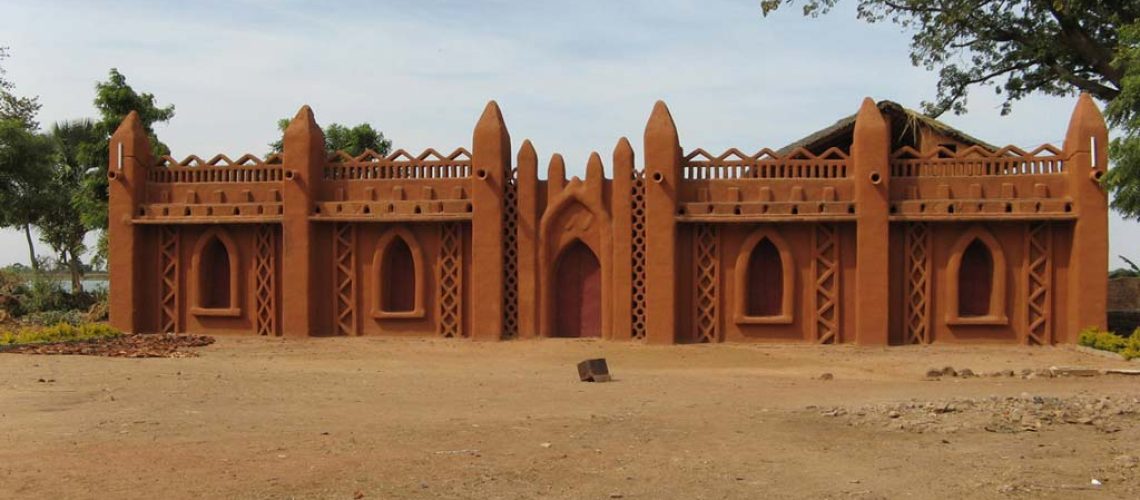
Africa is home to some of the world’s most distinctive architectural traditions.
Long before modern skyscrapers, concrete apartments, and glass towers appeared across the continent, African communities developed buildings that responded intelligently to climate, geography, culture, religion, and everyday life.
From earthen mosques and mud-brick homes to stone settlements and beautifully decorated compounds, indigenous African architecture tells stories about the people who created it. The materials may appear simple, but the techniques often demonstrate remarkable knowledge of the local environment.
For travelers interested in history, design, culture, and architecture, these destinations offer an opportunity to experience Africa through its built heritage.
1. Djenné, Mali
Djenné is one of the most famous destinations for traditional earthen architecture in West Africa. The historic city contains numerous mud-brick structures, including the spectacular Great Mosque of Djenné.
The buildings use banco, an earthen material made primarily from mud and other natural ingredients. The architecture reflects the region’s climate and long-standing construction traditions.
The Great Mosque is particularly notable for its enormous walls, wooden beams, towers, and sculptural appearance. Local communities have also maintained traditions of repairing and replastering earthen buildings.
Djenné demonstrates how locally available materials can produce architecture that is both practical and visually striking.
2. Timbuktu, Mali
Timbuktu is another important destination for visitors interested in Sahelian architecture. The historic city contains traditional earthen buildings and famous mosques associated with centuries of scholarship and trans-Saharan trade.
Structures such as the Djinguereber Mosque showcase the use of mud-based construction in an environment where temperatures can be extreme.
Timbuktu’s architecture is closely connected to the city’s history as a major intellectual and commercial center. Its buildings therefore represent more than construction techniques; they are physical reminders of West Africa’s historic urban networks.
3. Lalibela, Ethiopia
Lalibela offers one of Africa’s most extraordinary architectural experiences. Rather than being constructed upward from the ground, its famous medieval churches were carved directly into volcanic rock.
The churches form an interconnected landscape of tunnels, courtyards, trenches, and passageways. Bete Giyorgis, commonly known as the Church of Saint George, is particularly recognizable because of its cross-shaped design.
The site demonstrates how architecture can interact directly with the landscape. The rock itself becomes the building, creating a distinctive relationship between nature, engineering, and spirituality.
4. Great Zimbabwe, Zimbabwe
Great Zimbabwe provides a powerful example of indigenous stone architecture in Southern Africa. The archaeological site contains massive dry-stone walls constructed without conventional mortar. The Great Enclosure and other structures demonstrate sophisticated stonework and large-scale organization.
The settlement once formed part of a major regional center connected to trade and political power.
Today, the ruins offer visitors an opportunity to explore the architectural achievements of precolonial African societies while learning about the communities that built and used the settlement.
5. Ouidah, Benin
Ouidah provides a different architectural experience through its traditional courtyard compounds and decorated buildings.
The city’s architectural heritage reflects interactions between indigenous traditions and historical influences from across the Atlantic.
Traditional compounds often organize living spaces around courtyards, creating areas for family activities, social interaction, and domestic work.
For travelers, Ouidah demonstrates that architectural traditions can evolve while still retaining strong connections to local culture and history.
6. Kano, Nigeria
Kano is an important destination for exploring traditional Hausa architecture in Nigeria. Traditional Hausa architecture often features earthen walls, decorative patterns, courtyards, and carefully designed entrances. Historically, buildings were adapted to the hot climate, while compounds provided privacy and space for extended families.
The ancient city also developed around important commercial and cultural institutions.
Although modern development has transformed much of Kano, elements of its traditional architectural identity remain important to the city’s cultural heritage.
7. Musanze and Northern Rwanda
Northern Rwanda offers visitors a chance to explore traditional Rwandan building traditions within a landscape dominated by mountains and volcanic terrain.
Traditional Rwandan homes historically used locally available materials such as wood, grasses, reeds, and earth. Their forms reflected the country’s climate, agricultural lifestyle, and social organization.
Visitors can explore cultural experiences that demonstrate how traditional homes were constructed and how different spaces served household functions.
The architectural experience becomes even more interesting when considered alongside Rwanda’s mountainous landscape.
8. Siwa Oasis, Egypt
Far from the major cities of Egypt, Siwa Oasis contains a distinctive architectural tradition shaped by desert conditions. Traditional buildings historically used a local material called kershef, made from salt-rich earth and mud. The material helped create thick walls suited to the harsh desert environment.
The ruined Shali Fortress is one of the most recognizable examples of Siwan earthen architecture.
The buildings demonstrate how communities can use materials from their immediate environment to create structures suited to local climatic conditions.
9. Kasbahs of Morocco
Morocco’s southern regions contain remarkable examples of earthen architecture, particularly in settlements known for their kasbahs and ksour.
Aït Benhaddou is among the most recognizable examples. Its clustered earthen buildings, towers, passageways, and defensive forms create a distinctive architectural landscape.
These settlements demonstrate how architecture responded to desert and semi-arid environments while supporting community life and trade.
The region is especially attractive to travelers who want to combine architecture with dramatic natural scenery.
10. The Dogon Country, Mali
Dogon Country offers another remarkable example of architecture adapted to a distinctive landscape. Traditional Dogon settlements feature mud-built structures positioned around the cliffs and rocky terrain of the Bandiagara region.
Homes, granaries, meeting spaces, and other structures form part of a broader settlement system shaped by community traditions and the environment.
The architecture illustrates how buildings can become deeply integrated with geography rather than existing separately from it.
Why Indigenous Architecture Matters
Indigenous architecture provides more than beautiful photographs for travelers. It preserves knowledge about how communities lived, built, organized spaces, and responded to their environments.
Traditional construction methods can also demonstrate principles that remain relevant today. Thick earthen walls, shaded courtyards, natural ventilation, locally sourced materials, and compact settlement designs can offer useful lessons for sustainable architecture.
At the same time, these traditions face challenges from urbanization, changing lifestyles, environmental pressures, and the loss of traditional building knowledge.
Tourism can contribute to preservation when visitors support local communities, cultural institutions, responsible guides, and heritage initiatives.
How to Experience African Architecture Responsibly
When visiting communities with distinctive architectural traditions, travelers should remember that these places are often living environments rather than open-air museums.
A responsible visitor should:
- Respect local customs and private spaces.
- Ask before photographing people or entering homes.
- Support local guides and artisans.
- Purchase locally produced crafts when possible.
- Learn about the history behind the buildings.
- Avoid damaging historic structures.
- Follow conservation rules at heritage sites.
- Choose tourism operators that work respectfully with local communities.
These simple actions can make cultural travel more meaningful while helping preserve architectural heritage.
Final Thoughts
Africa’s indigenous architecture reveals the creativity, engineering knowledge, and cultural diversity of communities across the continent.
From the earthen mosques of Mali and the rock-hewn churches of Ethiopia to the stone walls of Great Zimbabwe and the desert settlements of Egypt and Morocco, these destinations demonstrate that architecture is closely connected to identity, environment, history, and community.
For travelers willing to look beyond conventional tourist attractions, African architecture offers another way to understand the continent. Every wall, courtyard, tower, pathway, and carved structure can tell a story about the people who created it and the world they inhabited.
