

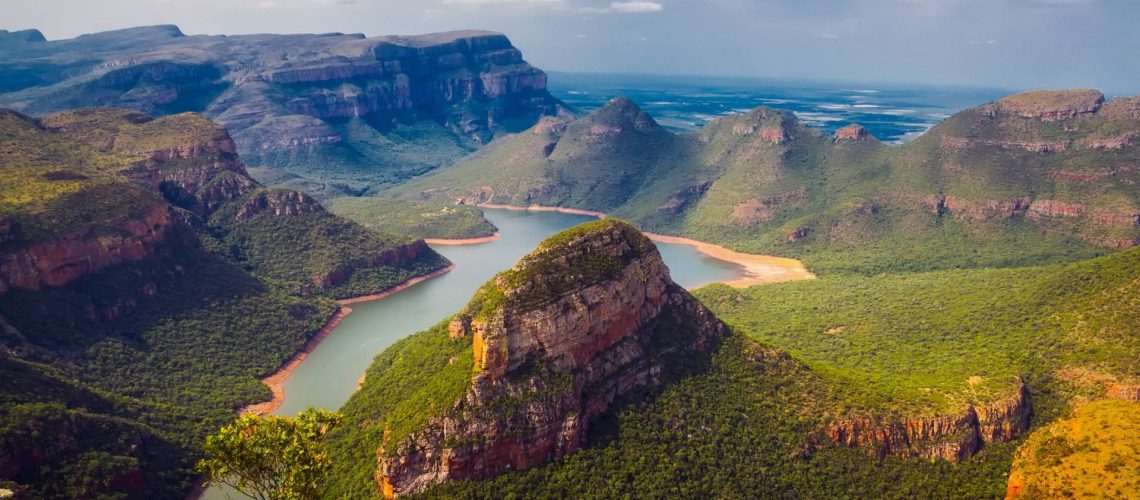
Africa is home to some of the world’s most breathtaking mountain landscapes.
While the continent is famous for its vast savannas, deserts, and tropical beaches, its mountains offer equally unforgettable experiences. Towering peaks, lush forests, volcanic landscapes, and snow-capped summits attract hikers, climbers, photographers, and nature lovers from around the globe.
Whether you are looking for a challenging expedition, a scenic hiking trail, or a peaceful retreat surrounded by nature, Africa has a mountain destination to suit every traveler. From East Africa’s volcanic giants to Southern Africa’s dramatic ranges, these mountains showcase the continent’s incredible geographical diversity.
In this guide, we explore some of Africa’s best mountain destinations and what makes each one worth visiting.
Why Visit Africa’s Mountain Destinations?
Mountain tourism offers far more than beautiful scenery. It allows travelers to experience unique ecosystems, encounter rare wildlife, interact with local communities, and challenge themselves physically.
Some of the benefits include:
- Spectacular hiking and trekking opportunities
- Cooler climates compared to nearby lowlands
- Rich biodiversity and endemic plant species
- Opportunities for wildlife viewing
- Cultural experiences with mountain communities
- Stunning photography locations
Moreover, many African mountains are protected within national parks, helping preserve their natural beauty for future generations.
1. Mount Kilimanjaro, Tanzania
Standing at 5,895 meters (19,341 feet), Mount Kilimanjaro is Africa’s tallest mountain and one of the world’s most famous trekking destinations.
Unlike many high-altitude peaks, Kilimanjaro requires no technical climbing skills. Several established routes allow hikers with good fitness levels to reach Uhuru Peak, the mountain’s highest point.
Highlights
- Snow-covered summit near the equator
- Diverse climate zones
- Rainforest wildlife
- Incredible sunrise views
- UNESCO World Heritage Site
Most climbs take between five and nine days, depending on the chosen route.
2. Table Mountain, South Africa
Rising above Cape Town, Table Mountain is one of Africa’s most recognizable landmarks. Its flat summit offers panoramic views of the city, the Atlantic Ocean, and the surrounding coastline. Visitors can either hike to the top or ride a rotating cable car.
Popular Activities
- Scenic hiking trails
- Cable car rides
- Rock climbing
- Sunset photography
- Bird watching
The mountain is home to unique fynbos vegetation found nowhere else on Earth.
3. Simien Mountains, Ethiopia
The Simien Mountains feature dramatic cliffs, deep valleys, and jagged peaks that create one of Africa’s most spectacular landscapes.
The region is also famous for its rare wildlife, including:
- Gelada baboons
- Ethiopian wolves
- Walia ibex
Trekkers often spend several days exploring the national park while camping beneath clear mountain skies.
4. Mount Kenya, Kenya
Mount Kenya is Africa’s second-highest mountain after Kilimanjaro. Unlike Kilimanjaro, its highest peaks require technical climbing. However, several trekking routes lead visitors through forests, bamboo zones, alpine meadows, and glaciers without requiring advanced climbing skills.
Why Visit?
- Beautiful alpine lakes
- Diverse ecosystems
- Unique wildlife
- Less crowded than Kilimanjaro
- Excellent hiking opportunities
The mountain also holds cultural significance for many Kenyan communities.
5. Rwenzori Mountains, Uganda
Often called the “Mountains of the Moon,” the Rwenzori Mountains sit along the Uganda–Democratic Republic of the Congo border.
These mountains offer one of Africa’s most unique trekking experiences due to their:
- Glacial peaks
- Giant lobelia plants
- Moss-covered forests
- Waterfalls
- Alpine wetlands
The scenery feels almost otherworldly, making it one of Africa’s hidden gems.
6. Drakensberg Mountains, South Africa and Lesotho
The Drakensberg range stretches for over 1,000 kilometers and contains some of Southern Africa’s most dramatic landscapes.
Visitors enjoy:
- Hiking
- Horse riding
- Rock climbing
- Mountain biking
- Bird watching
The region also contains thousands of ancient San rock art paintings, offering both natural and cultural attractions.
7. Atlas Mountains, Morocco
The Atlas Mountains separate Morocco’s Mediterranean coastline from the Sahara Desert. Traditional Berber villages, winding valleys, and snow-covered peaks make this one of North Africa’s premier adventure destinations.
Attractions
- Mount Toubkal, North Africa’s highest peak
- Scenic valleys
- Local markets
- Traditional mountain villages
- Winter snow activities
The mountains can easily be explored from Marrakech.
8. Virunga Mountains, Rwanda, Uganda, and the Democratic Republic of the Congo
The Virunga Mountains consist of several volcanic peaks spread across three countries. This mountain range is internationally known for mountain gorilla trekking, one of Africa’s most unforgettable wildlife experiences.
Besides gorillas, visitors may also enjoy:
- Volcano hikes
- Bird watching
- Forest walks
- Cultural village tours
Responsible tourism plays an important role in supporting conservation efforts across the region.
9. Mount Cameroon, Cameroon
Mount Cameroon is West and Central Africa’s highest mountain, standing at 4,095 meters.
As an active volcano, it presents a challenging but rewarding climb through:
- Tropical rainforest
- Savannah
- Volcanic rock fields
- High-altitude grasslands
Every year, athletes participate in the famous Mount Cameroon Race of Hope.
10. Mulanje Massif, Malawi
The Mulanje Massif is one of Southern Africa’s most underrated mountain destinations. Known for its granite peaks and waterfalls, the mountain offers quieter hiking experiences than many of Africa’s better-known ranges.
Visitors can enjoy:
- Mountain cabins
- Crystal-clear streams
- Scenic waterfalls
- Bird watching
- Multi-day trekking
Its peaceful atmosphere makes it ideal for travelers seeking solitude.
Best Time to Visit African Mountains
The ideal season depends on the destination.
Generally:
- East Africa is best visited during the dry seasons.
- Southern Africa offers pleasant hiking conditions during cooler months.
- North Africa is ideal during spring and autumn when temperatures are moderate.
Always check local weather forecasts before planning high-altitude hikes.
Essential Mountain Travel Tips
To enjoy a safe and memorable adventure:
- Train before attempting long hikes.
- Pack warm clothing, even in tropical regions.
- Stay hydrated throughout your trek.
- Allow time to acclimatize at higher elevations.
- Hire experienced local guides where recommended.
- Respect wildlife and protected areas.
- Carry basic first-aid supplies.
- Purchase travel insurance for major expeditions.
Proper preparation significantly improves both safety and enjoyment.
Sustainable Mountain Tourism
Africa’s mountain ecosystems are fragile. Responsible tourism helps preserve these environments while supporting local communities.
Travelers can contribute by:
- Following designated trails
- Avoiding littering
- Supporting local guides and businesses
- Choosing eco-friendly accommodations
- Respecting local customs and traditions
- Minimizing plastic waste
Sustainable travel ensures these remarkable destinations remain beautiful for generations to come.
Final Thoughts
Africa’s mountains offer adventures that rival some of the world’s most famous trekking destinations. Whether you dream of reaching the summit of Mount Kilimanjaro, exploring Ethiopia’s dramatic Simien Mountains, hiking through the lush Rwenzori range, or enjoying the iconic views from Table Mountain, each destination provides unforgettable experiences.
Beyond their natural beauty, these mountains reveal Africa’s rich biodiversity, cultural heritage, and remarkable landscapes. With careful planning, respect for nature, and a spirit of adventure, travelers can discover a side of Africa that is both inspiring and unforgettable.
