

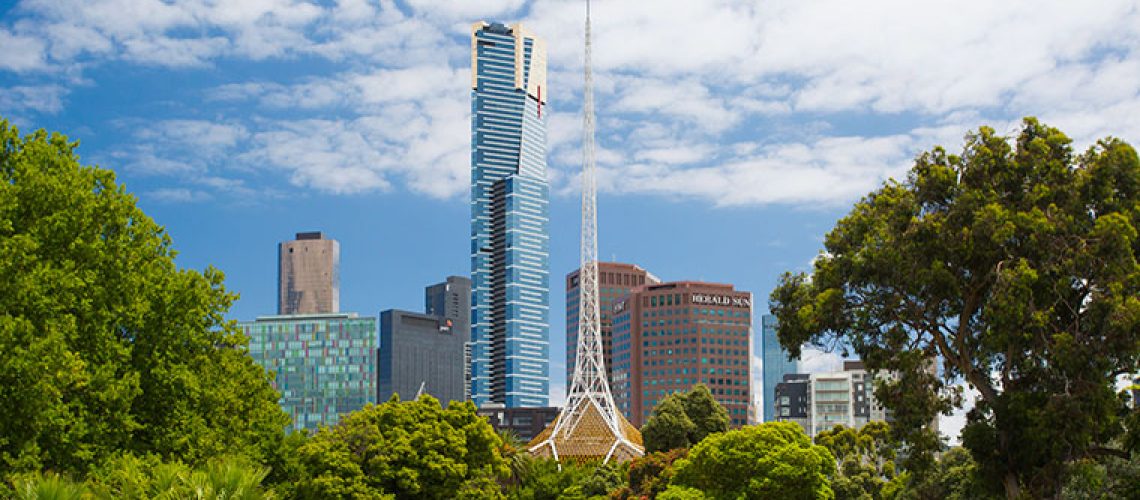
Building More Sustainable Cities: Creating Urban Spaces for a Greener Future
As cities continue to grow, they face increasing pressure to provide housing, transportation, employment, healthcare, and essential services for millions of residents. According to global urbanization trends, more people now live in cities than ever before, making urban centers the engines of economic growth and innovation. However, rapid urban expansion also brings significant challenges, including pollution, traffic congestion, waste management problems, flooding, housing shortages, and rising energy demand.
Building more sustainable cities means creating urban environments that meet today’s needs without compromising the ability of future generations to thrive. Sustainable cities prioritize environmental protection, economic resilience, and social inclusion while improving the overall quality of life for residents.
Across Africa, urban populations are expanding rapidly. Cities such as Lagos, Nairobi, Kigali, Accra, Cape Town, and Cairo are investing in smarter infrastructure, cleaner transportation, renewable energy, and better waste management systems to create healthier and more resilient communities.
What Is a Sustainable City?
A sustainable city is an urban area designed to balance economic development, environmental conservation, and social well-being. It minimizes its ecological footprint while maximizing opportunities for residents to live productive, healthy, and fulfilling lives.
Sustainable cities focus on:
- Efficient use of natural resources
- Clean energy adoption
- Green transportation
- Affordable housing
- Waste reduction
- Water conservation
- Public safety
- Inclusive economic growth
- Climate resilience
Rather than treating environmental protection as separate from development, sustainable cities integrate both goals into everyday planning.
Why Sustainable Cities Matter
Urban areas generate most of the world’s economic activity, but they also consume enormous amounts of energy and resources. Without sustainable planning, cities can become vulnerable to environmental degradation, poor public health, and economic instability.
Benefits of sustainable cities include:
Improved Public Health
Cleaner air, better sanitation, more parks, and reduced pollution contribute to healthier populations. Residents experience fewer respiratory illnesses, lower stress levels, and greater opportunities for physical activity.
Stronger Local Economies
Green industries create jobs in renewable energy, recycling, sustainable construction, environmental consulting, and clean technology.
Climate Change Adaptation
Sustainable infrastructure helps cities withstand floods, heatwaves, droughts, and other climate-related challenges.
Better Quality of Life
Efficient transportation, accessible public spaces, reliable utilities, and safer neighborhoods improve everyday living for citizens.
Smart Urban Planning
Effective city planning is the foundation of sustainability. Well-planned cities reduce unnecessary travel, preserve green spaces, and ensure residents can easily access schools, healthcare facilities, workplaces, and recreational areas.
Modern urban planning encourages:
- Mixed-use developments
- Walkable neighborhoods
- Bicycle-friendly streets
- Public transportation integration
- Green corridors
- Flood-resistant infrastructure
Compact cities often use fewer resources while delivering better public services.
Green Buildings and Sustainable Construction
Buildings consume large amounts of electricity and materials throughout their lifespan.
Green construction focuses on reducing environmental impact through:
- Energy-efficient lighting
- Natural ventilation
- Solar panels
- Rainwater harvesting
- Recycled building materials
- Proper insulation
- Smart energy management systems
Sustainable architecture not only reduces emissions but also lowers operating costs for homeowners and businesses.
Renewable Energy in Cities
Traditional fossil fuels contribute significantly to greenhouse gas emissions.
Many cities are transitioning toward renewable energy sources such as:
- Solar power
- Wind energy
- Hydroelectricity
- Biomass
- Geothermal energy where available
Africa possesses tremendous renewable energy potential due to abundant sunshine, wind resources, and growing investments in clean technologies. Solar-powered streetlights, public buildings, and residential communities are becoming increasingly common across the continent.
Sustainable Transportation
Transportation is one of the largest contributors to urban pollution.
Sustainable cities invest in cleaner mobility options, including:
Efficient Public Transit
Reliable buses, commuter rail systems, and rapid transit networks reduce dependence on private vehicles.
Cycling Infrastructure
Dedicated bicycle lanes encourage healthier, low-carbon transportation.
Walkable Communities
Safe sidewalks allow residents to complete daily activities without relying on cars.
Electric Vehicles
Charging infrastructure supports the gradual transition toward electric mobility.
Reducing traffic congestion also lowers fuel consumption and improves air quality.
Waste Management and Recycling
Rapid urbanization produces increasing amounts of solid waste.
Sustainable waste management includes:
- Waste separation
- Recycling programs
- Composting organic materials
- Proper landfill management
- Waste-to-energy initiatives
- Community awareness campaigns
Reducing waste at the source remains one of the most effective strategies for protecting urban environments.
Water Conservation
Water scarcity affects many growing cities.
Sustainable water management includes:
- Rainwater harvesting
- Leak detection systems
- Efficient irrigation
- Wastewater treatment
- Water recycling
- Public education on conservation
Protecting rivers, lakes, and wetlands also helps maintain healthy ecosystems that support urban populations.
Expanding Green Spaces
Trees and parks provide far more than aesthetic value.
Urban green spaces:
- Improve air quality
- Reduce heat
- Absorb rainfall
- Support biodiversity
- Encourage recreation
- Improve mental health
Tree-planting initiatives are becoming essential components of city planning across many African nations.
Technology and Smart Cities
Digital technology plays an increasingly important role in sustainable urban development.
Smart city technologies include:
- Intelligent traffic management
- Smart electricity grids
- Digital waste collection systems
- Air quality monitoring
- Water usage sensors
- Smart street lighting
These technologies improve efficiency while reducing resource consumption.
Affordable and Inclusive Housing
Sustainability extends beyond environmental concerns.
Cities must provide affordable housing that is:
- Safe
- Energy efficient
- Accessible
- Connected to public services
- Close to employment opportunities
Inclusive housing policies reduce informal settlements while promoting social equity.
Community Participation
Government action alone cannot create sustainable cities.
Residents contribute by:
- Recycling household waste
- Conserving electricity
- Using public transportation
- Planting trees
- Supporting local businesses
- Participating in community clean-up campaigns
- Reporting environmental hazards
Public engagement strengthens long-term sustainability efforts.
Sustainable Cities Across Africa
Many African cities are embracing innovative approaches to urban development.
Examples include:
- Expanding renewable energy projects
- Investing in bus rapid transit systems
- Introducing digital government services
- Improving waste recycling initiatives
- Developing eco-friendly housing
- Promoting green entrepreneurship
- Increasing urban tree planting
While challenges remain, these initiatives demonstrate Africa’s growing commitment to building resilient cities.
Challenges to Sustainable Urban Development
Several obstacles continue to slow progress, including:
- Limited infrastructure funding
- Rapid population growth
- Informal settlements
- Traffic congestion
- Weak urban planning enforcement
- Climate change impacts
- Inadequate waste management systems
Addressing these challenges requires collaboration among governments, businesses, development partners, and local communities.
The Future of Sustainable Cities
Future cities will rely increasingly on renewable energy, digital innovation, circular economies, and environmentally responsible planning. Artificial intelligence, smart infrastructure, autonomous public transportation, and climate-resilient architecture are expected to reshape how cities operate over the coming decades.
Cities that invest in sustainability today will be better positioned to attract investment, improve public health, create employment, and protect natural resources for future generations.
Conclusion
Building more sustainable cities is no longer an option, it is a necessity. As urban populations continue to expand across Africa and around the world, governments, businesses, and citizens must work together to create cleaner, greener, safer, and more inclusive communities.
Through thoughtful urban planning, renewable energy adoption, efficient transportation, responsible waste management, water conservation, and active community participation, cities can become places where economic growth and environmental stewardship go hand in hand.
The future of urban living depends on decisions made today. By embracing sustainable development, cities can remain vibrant, resilient, and prosperous while providing a better quality of life for generations to come.
