

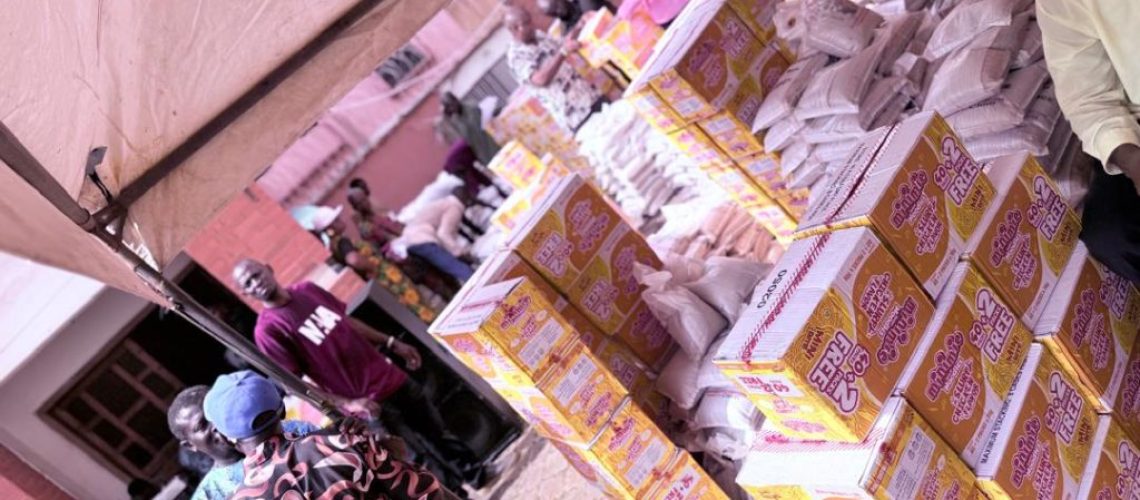
Bulk buying has become one of the most practical ways for schools, community organizations, religious institutions, and neighborhood associations to reduce costs while ensuring a steady supply of essential items.
Across Africa, where inflation, fluctuating market prices, and supply chain challenges often affect budgets, purchasing goods in large quantities can help institutions make better use of limited financial resources. Whether it is buying food for school feeding programs, educational materials for students, cleaning supplies, or equipment for community projects, bulk purchasing enables organizations to obtain quality products at lower prices while improving planning and reducing waste.
This article explores the benefits of bulk buying, how schools and community groups can organize successful purchasing programs, and the challenges they should prepare for.
What Is Bulk Buying?
Bulk buying refers to purchasing products in large quantities, usually directly from manufacturers, wholesalers, or major distributors. Because suppliers save on packaging, transportation, and administrative costs, they often offer lower prices for larger orders.
Schools and community organizations frequently buy items such as:
- Rice, beans, maize, and other staple foods
- Exercise books and textbooks
- Pens, pencils, and school supplies
- Cleaning products
- Uniform materials
- Office equipment
- Sports equipment
- Medical supplies
- Building materials for community projects
Benefits of Bulk Buying
Significant Cost Savings
One of the greatest advantages is lower unit prices. Buying 500 exercise books usually costs less per book than purchasing them individually throughout the year.
The savings can be redirected toward:
- Classroom improvements
- Scholarships
- School maintenance
- Community development initiatives
- Health and sanitation projects
Better Budget Planning
Purchasing supplies for several months or an entire academic year allows schools to predict expenses more accurately.
Instead of reacting to changing market prices every month, administrators can plan finances with greater confidence.
Protection Against Inflation
Many African countries experience rising prices due to inflation.
Buying essential items before prices increase helps organizations maintain stable operating costs throughout the year.
Reduced Transportation Costs
Frequent trips to markets or suppliers increase transportation expenses.
Bulk purchasing reduces:
- Fuel costs
- Delivery charges
- Staff travel time
- Vehicle wear and tear
Consistent Product Quality
Working with reliable suppliers helps institutions receive consistent product quality.
Students, teachers, and community members benefit from standardized materials rather than products from multiple vendors with varying quality.
Bulk Buying for School Feeding Programs
Many schools provide meals to students every day.
Buying food staples in bulk offers numerous advantages:
- Lower food costs
- Stable meal planning
- Reduced risk of shortages
- Easier inventory management
Common bulk food purchases include:
- Rice
- Beans
- Maize flour
- Vegetable oil
- Sugar
- Salt
- Cooking gas
- Dried fish
- Spices
Proper storage facilities help preserve food quality throughout the school term.
Purchasing Educational Materials
Schools require a continuous supply of learning materials.
Bulk orders often include:
- Exercise books
- Whiteboard markers
- Chalk
- Laboratory equipment
- Art supplies
- Library books
- Printing paper
- Computer accessories
Ordering before the academic session begins helps avoid shortages during the school year.
Community Groups and Cooperative Purchasing
Community associations can also benefit from collective purchasing.
Examples include:
Women’s Groups
Women’s cooperatives may buy:
- Food ingredients
- Packaging materials
- Farming inputs
- Sewing supplies
Youth Organizations
Youth groups often purchase:
- Sports equipment
- Training materials
- Event supplies
- Technology equipment
Religious Organizations
Churches and mosques regularly buy:
- Chairs
- Sound systems
- Cleaning supplies
- Food for outreach programs
- Construction materials
Pooling resources helps these organizations stretch their budgets further.
How to Organize a Successful Bulk Purchase
Identify Common Needs
Members should first determine which products everyone requires.
Creating a shared list avoids unnecessary purchases.
Estimate Quantities
Accurate forecasting prevents both shortages and excessive stock.
Consider:
- Number of students
- Number of households
- Event schedules
- Seasonal demand
Compare Multiple Suppliers
Request quotations from several wholesalers.
Compare:
- Prices
- Delivery timelines
- Product quality
- Payment terms
- Customer service
The lowest price is not always the best value if quality or reliability is compromised.
Negotiate Discounts
Large orders give buyers stronger negotiating power.
Possible negotiations include:
- Lower prices
- Free delivery
- Extended payment periods
- Bonus products
- After-sales support
Suppliers often value long-term partnerships with schools and community organizations.
Proper Storage Is Essential
Bulk purchases require safe storage.
Important considerations include:
- Dry storage rooms
- Good ventilation
- Pest control
- Shelving systems
- Secure locks
- Fire safety measures
Poor storage can eliminate the savings achieved through bulk buying if goods become damaged or spoiled.
Inventory Management
Maintaining accurate inventory records helps prevent losses.
Simple practices include:
- Recording incoming stock
- Tracking daily usage
- Monitoring expiry dates
- Conducting regular stock counts
- Rotating older stock first
Digital inventory systems can improve accuracy, but well-maintained paper records also work effectively for smaller organizations.
Financial Transparency
Community members are more likely to support collective purchasing when finances are handled openly.
Best practices include:
- Recording all payments
- Keeping receipts
- Sharing financial reports
- Appointing trusted committee members
- Conducting periodic audits
Transparency builds confidence and encourages continued participation.
Supporting Local Businesses
Whenever possible, schools and community organizations should purchase from reputable local suppliers.
Benefits include:
- Supporting local employment
- Strengthening local economies
- Faster delivery
- Easier communication
- Better after-sales service
Long-term relationships with local wholesalers often result in additional discounts over time.
Challenges of Bulk Buying
Despite its advantages, bulk purchasing also presents challenges.
High Initial Cost
Buying in large quantities requires more money upfront.
Organizations may need to save over several months before making purchases.
Storage Limitations
Insufficient storage can lead to damaged goods, pest infestations, or theft.
Changing Needs
Unexpected changes in enrollment or community activities may leave organizations with excess stock.
Careful planning helps minimize this risk.
Supplier Reliability
Not every supplier consistently delivers quality products on time.
Checking references and reviewing previous customer experiences can help avoid costly mistakes.
Tips for Successful Bulk Buying
To maximize the benefits of bulk purchasing:
- Plan purchases well in advance.
- Work with trusted suppliers.
- Compare multiple quotations.
- Buy only necessary quantities.
- Maintain proper storage facilities.
- Keep accurate inventory records.
- Ensure financial accountability.
- Review purchasing performance regularly.
- Build long-term supplier relationships.
- Encourage cooperation among members.
The Future of Bulk Buying in Africa
Technology is making bulk purchasing easier than ever. Digital marketplaces, mobile payment systems, and online wholesale platforms allow schools and community organizations to compare prices, place orders, and arrange deliveries more efficiently.
As more institutions embrace cooperative purchasing, they can reduce costs, improve resource management, and strengthen partnerships with local suppliers. Combined with sound planning and transparent financial practices, bulk buying has the potential to improve educational outcomes, support community development, and make limited budgets go further across the continent.
Conclusion
Bulk buying is a practical strategy that enables schools and community groups to save money, improve planning, and secure essential supplies at competitive prices. From food for school meals to educational materials and community project resources, purchasing in large quantities can provide significant financial and operational benefits.
Success, however, depends on careful planning, reliable suppliers, proper storage, effective inventory management, and transparent financial practices. When these elements are in place, bulk buying becomes more than just a cost-saving measure, it becomes a powerful tool for strengthening schools, supporting communities, and promoting sustainable development across Africa.
