

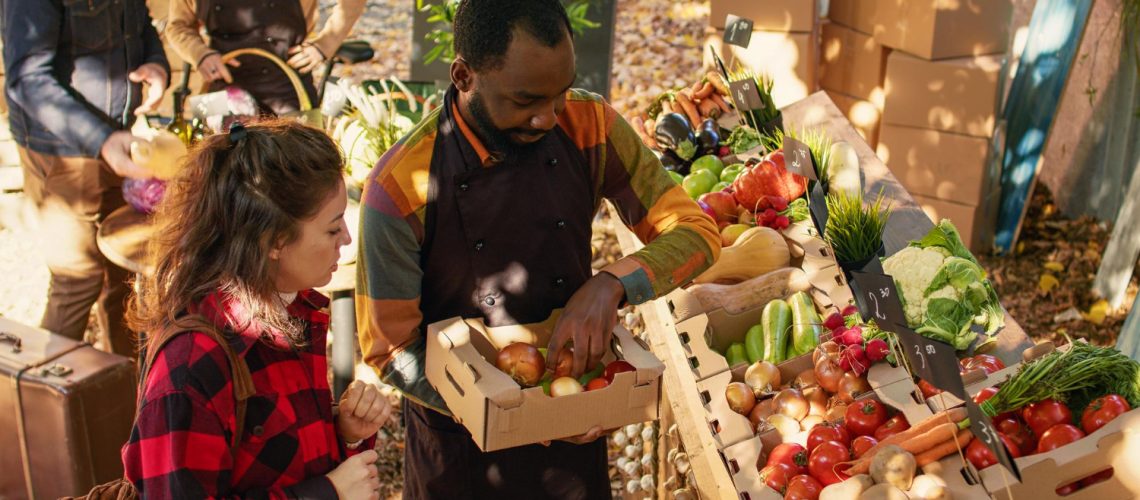
Bulk food buying is a practical strategy that helps both students and families stretch their budgets, reduce shopping frequency, and stay prepared for everyday needs.
While it may seem like a simple concept, buying larger quantities at once, it requires thoughtful planning to truly maximize its benefits. When done right, bulk buying can save money, reduce stress, and even promote healthier eating habits.
Why Bulk Buying Makes Sense
For students managing tight budgets and families juggling multiple expenses, bulk buying offers clear financial advantages. Purchasing items in larger quantities often reduces the cost per unit, meaning you pay less over time compared to buying smaller portions repeatedly.
Additionally, bulk buying reduces the number of shopping trips. This not only saves transportation costs but also limits impulse purchases, which can quickly add up. For busy households and students with packed schedules, fewer trips to the store translate into more time for important tasks.
Best Foods to Buy in Bulk
Not every item is suitable for bulk buying, so choosing wisely is essential. Focus on non-perishable and long-lasting items that you use regularly. Grains like rice, pasta, and oats are excellent choices because they store well and serve as the foundation for many meals. Beans, lentils, and other dried legumes are also affordable, nutritious, and versatile.
For families, staples like flour, sugar, and cooking oil are often used in large quantities, making them ideal for bulk purchases. Students, on the other hand, may benefit from bulk snacks, canned foods, and frozen items that are easy to prepare.
Storage: The Key to Success
Buying in bulk only works if you can store your food properly. Without proper storage, food can spoil, leading to waste instead of savings.
Use airtight containers to keep dry goods fresh and prevent pests. Label items with purchase dates so you can track freshness. For perishable items, freezing is a great option. Meat, vegetables, and even cooked meals can be stored in the freezer for extended periods.
Families may need dedicated pantry space, while students can use compact storage solutions like stackable containers to maximize limited space.
Planning Meals Around Bulk Purchases
One of the smartest ways to make bulk buying effective is to plan meals around what you already have. Instead of buying ingredients for specific recipes, build your meals from your bulk staples.
For example, rice and beans can be turned into multiple dishes with different spices and add-ons. Pasta can be paired with various sauces and vegetables to create variety without extra cost.
Meal planning reduces waste and ensures that everything you buy is used efficiently.
Avoiding Common Mistakes
Bulk buying can backfire if not done carefully. One common mistake is purchasing items simply because they are cheap, even if they are not frequently used. This often leads to wasted food and money.
Another issue is overestimating storage capacity. Buying more than you can store properly increases the risk of spoilage. It’s also important to check expiration dates and avoid buying perishable items in excessive quantities.
Finally, always compare prices. Not every bulk deal is actually cheaper, so calculate the cost per unit to ensure you’re getting real value.
Bulk Buying on a Budget
Contrary to popular belief, you don’t need a large amount of money to start bulk buying. Begin with a few essential items each time you shop. Over time, you’ll build a well-stocked pantry without straining your finances.
Students can team up with roommates or friends to split bulk purchases, making it more affordable and manageable. Families can take advantage of sales and discounts to stock up gradually.
Environmental Benefits
Bulk buying isn’t just good for your wallet, it’s also better for the environment. Purchasing larger quantities often reduces packaging waste, especially when buying from stores that offer refill options.
Fewer shopping trips also mean reduced fuel consumption, contributing to a smaller carbon footprint.
Final Thoughts
Bulk food buying is more than just a money-saving trick; it’s a lifestyle approach that encourages planning, discipline, and smart consumption. For students, it provides a way to stay fed without overspending. For families, it offers stability and convenience in managing household needs.
With the right choices, proper storage, and thoughtful planning, bulk buying can transform the way you shop and eat—making life simpler, more affordable, and more sustainable.
