

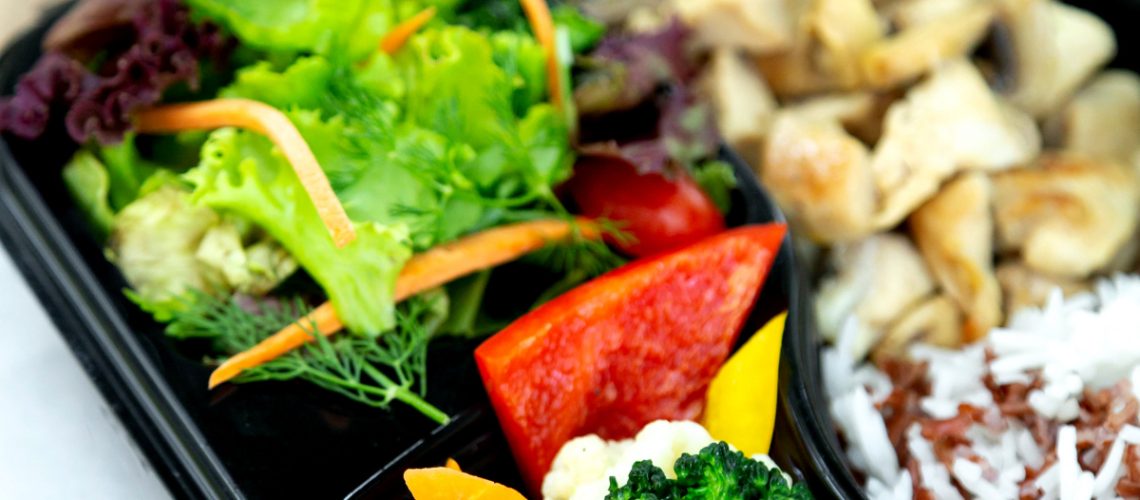
Meal prepping in bulk is one of the simplest ways to save time, reduce stress, and control your food budget.
Instead of cooking every day or relying on last-minute meals, you prepare larger portions of food in advance and store them for later use. Done right, bulk meal prep can completely transform how you eat during the week.
Here’s a simple, practical guide to making bulk food meal prep easy and sustainable.
Why Bulk Meal Prep Works
Bulk meal prep isn’t just about cooking a lot of food at once. It’s about creating a system that makes your daily life easier.
Some key benefits include:
- Saves time: Cook once, eat multiple times.
- Reduces food waste: You buy and use ingredients more efficiently.
- Helps budgeting: Fewer impulse food purchases or takeout meals.
- Supports healthier eating: You control ingredients, oil, salt, and portion sizes.
Step 1: Plan Your Meals Before Cooking
The biggest mistake people make is cooking without a plan.
Start by choosing:
- 2–3 protein sources (e.g., chicken, beans, eggs, fish)
- 2–3 carbohydrate options (e.g., rice, yam, pasta, potatoes)
- 2–3 vegetables (e.g., spinach, carrots, cabbage, mixed veggies)
Keep it simple. Repetition is not boring when your goal is convenience.
Example weekly combo:
- Jollof rice + grilled chicken + salad
- White rice + stew + fish
- Beans porridge + plantain
Step 2: Shop Smart and in Bulk
Once your meal plan is ready, create a shopping list.
Tips for smarter shopping:
- Buy in larger quantities for cheaper prices
- Choose fresh ingredients that store well
- Avoid overbuying perishables unless you plan to freeze them
In places like Lagos markets, buying in bulk from vendors often reduces cost significantly compared to daily purchases.
Step 3: Cook in Stages, Not Chaos
Instead of trying to cook everything at once, break it into steps:
- Start with proteins (grill, boil, or stew)
- Cook carbohydrates (rice, pasta, yam, etc.)
- Prepare sauces or stews
- Chop or lightly cook vegetables last
This prevents burnout and keeps your kitchen organized.
Step 4: Use Proper Storage Containers
Good storage is what makes meal prep actually work.
Use:
- Airtight containers for cooked meals
- Glass containers (best for reheating)
- Labelled plastic containers if on a budget
Always allow food to cool before sealing to avoid spoilage.
Step 5: Store Correctly for Freshness
To keep meals safe and tasty:
- Refrigerate meals you’ll eat within 3–4 days
- Freeze portions for longer storage (up to 2–4 weeks)
- Separate sauces from dry foods when possible
This helps preserve texture and flavor.
Step 6: Reheat the Right Way
Reheating matters more than people think.
- Use microwave-safe containers or stovetop reheating
- Add a small amount of water to prevent dryness
- Stir midway to heat evenly
Avoid repeated reheating of the same portion.
Easy Meal Prep Ideas
Here are simple ideas you can rotate weekly:
- Rice + stew + protein (chicken, beef, or fish)
- Pasta + vegetable sauce + minced meat
- Beans + fried plantain + salad
- Boiled yam + egg sauce + veggies
- Oatmeal packs for quick breakfasts
Common Mistakes to Avoid
- Overcomplicating recipes
- Cooking too many different meals at once
- Poor storage habits
- Not planning portion sizes
- Ignoring food safety (especially in hot climates)
Final Thoughts
Bulk food meal prep is not about perfection, it’s about making your life easier. Once you build the habit, you’ll notice less stress during the week, fewer food decisions to make, and more control over your diet and spending.
Start small. Even prepping just 2–3 days ahead can make a big difference.
