

Across Africa, communities are finding innovative ways to improve access to affordable, nutritious food while creating economic opportunities for local farmers and entrepreneurs.
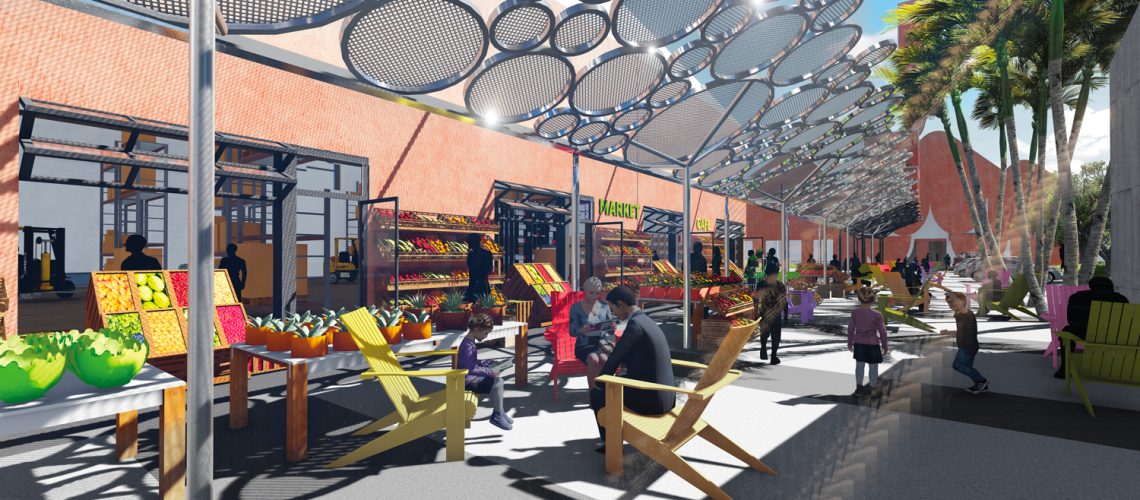
One of the most impactful solutions gaining momentum is the community food hub. A community food hub is more than just a marketplace. It serves as a central location where food is collected, stored, processed, and distributed to households, restaurants, schools, and businesses. By connecting local producers directly with consumers, food hubs reduce waste, lower costs, and build stronger local economies.
As urban populations grow and food supply chains become more complex, community food hubs are proving to be a practical and sustainable solution for neighborhoods across the continent.
What Is a Community Food Hub?
A community food hub is a locally managed center that coordinates food production, storage, transportation, and distribution. Unlike traditional markets that primarily focus on buying and selling, food hubs provide several additional services, including:
- Bulk purchasing
- Cold storage facilities
- Food packaging
- Delivery services
- Farmer training
- Nutrition education
- Community outreach programs
These services help both producers and consumers benefit from a more organized food system.
Why Community Food Hubs Matter
Many African communities face challenges such as rising food prices, post-harvest losses, poor transportation, and limited market access for small-scale farmers.
Community food hubs address these issues by bringing together everyone involved in the food chain.
Benefits include:
- Better food availability
- Lower transportation costs
- Reduced food waste
- Fairer prices for farmers
- Improved food quality
- Increased community resilience
Instead of relying on long and expensive supply chains, neighborhoods can source much of their food locally.
Supporting Local Farmers
One of the greatest advantages of food hubs is their ability to support smallholder farmers. Many farmers struggle because they produce relatively small quantities, making it difficult to negotiate with large buyers. Food hubs combine products from multiple farmers into larger volumes, allowing them to supply supermarkets, hotels, schools, and restaurants more efficiently.
This collective approach helps farmers:
- Earn more consistent income
- Reduce marketing costs
- Access better storage
- Reach new customers
- Improve production planning
The result is a stronger agricultural economy that benefits entire communities.
Reducing Food Waste
Food waste remains a significant challenge across Africa. Large quantities of fruits, vegetables, and grains spoil before reaching consumers due to poor roads, inadequate storage, and limited refrigeration.
Community food hubs help reduce these losses through:
- Cold rooms
- Warehousing
- Better inventory management
- Coordinated transportation
- Food processing facilities
Instead of allowing surplus produce to spoil, food hubs can process excess harvests into dried fruits, tomato paste, flour, juices, or packaged foods with longer shelf lives.
Making Healthy Food More Affordable
Many low-income neighborhoods have limited access to fresh fruits and vegetables. Food hubs improve affordability by shortening the journey between farms and consumers.
Since there are fewer middlemen involved, customers often enjoy:
- Lower prices
- Fresher produce
- Better quality food
- More consistent supply
Families benefit from healthier diets while spending less on groceries.
Strengthening Local Economies
Every successful food hub creates economic opportunities beyond farming.
Jobs are created in:
- Transportation
- Warehousing
- Food packaging
- Cold storage management
- Delivery services
- Retail
- Digital ordering platforms
Young entrepreneurs also find opportunities to build businesses around logistics, mobile payments, food processing, and technology.
Money spent within the community circulates locally, encouraging broader economic growth.
Encouraging Community Cooperation
Community food hubs encourage collaboration among residents. Instead of individuals working alone, farmers, transporters, retailers, volunteers, and consumers become part of a shared food system.
This cooperation leads to:
- Stronger trust
- Shared resources
- Knowledge exchange
- Collective bargaining
- Better crisis response
Communities that work together are often more resilient during food shortages or economic disruptions.
Improving Nutrition and Public Health
Many food hubs go beyond food distribution by promoting healthier lifestyles.
Some organize:
- Nutrition workshops
- Healthy cooking demonstrations
- School feeding partnerships
- Community gardens
- Health awareness campaigns
These activities encourage balanced diets and improve public understanding of nutrition, helping to reduce diet-related illnesses over time.
Leveraging Technology for Smarter Food Distribution
Technology is making community food hubs even more efficient.
Many hubs now use:
- Mobile ordering systems
- Digital payment platforms
- Inventory management software
- GPS delivery tracking
- Farmer databases
- Demand forecasting tools
These innovations reduce inefficiencies, improve transparency, and help match supply with demand more accurately.
Building Resilience During Crises
The COVID-19 pandemic highlighted the importance of reliable local food systems. Communities with organized food distribution networks were often better equipped to continue supplying households despite transportation restrictions and market disruptions.
Food hubs also play a critical role during:
- Floods
- Droughts
- Economic downturns
- Supply chain disruptions
- Natural disasters
Because they maintain local relationships with producers, they can respond more quickly than distant supply chains.
Challenges Facing Community Food Hubs
Although food hubs offer many advantages, they also face obstacles.
Common challenges include:
- Limited funding
- Poor infrastructure
- Inadequate cold storage
- High transportation costs
- Inconsistent electricity supply
- Limited access to financing
- Weak digital infrastructure in rural areas
Addressing these challenges requires collaboration between governments, private investors, development organizations, and local communities.
Success Stories Across Africa
Across the continent, community-led food initiatives are demonstrating the potential of localized food systems.
Examples include:
- Farmer cooperatives supplying urban markets in Kenya.
- Community-supported agriculture programs connecting growers with households in South Africa.
- Food aggregation centers helping smallholder farmers reach buyers in Nigeria.
- Cooperative produce markets improving incomes for farming communities in Ghana.
- Women’s agricultural cooperatives enhancing food security in Rwanda.
These initiatives show that organized local food networks can improve livelihoods while strengthening food systems.
The Future of Community Food Hubs
Africa’s rapidly growing urban population will continue to increase demand for efficient food distribution systems.
Future food hubs are expected to integrate:
- Solar-powered cold storage
- Smart logistics
- Digital marketplaces
- Online grocery delivery
- Food traceability systems
- Climate-smart agriculture
- Circular economy practices
As investment in agriculture and technology expands, food hubs are likely to become essential infrastructure for sustainable urban and rural development.
How Communities Can Start a Food Hub
Launching a successful food hub begins with understanding local needs and building strong partnerships.
Key steps include:
- Assess community food challenges and opportunities.
- Engage local farmers, traders, and residents.
- Secure a suitable location for collection and storage.
- Develop efficient transportation and distribution plans.
- Invest in storage and basic processing equipment.
- Use digital tools to manage orders and inventory.
- Promote healthy eating and community participation.
- Seek partnerships with local governments, NGOs, and private investors.
Starting small and expanding gradually allows communities to build trust, refine operations, and ensure long-term sustainability.
Conclusion
Community food hubs are transforming neighborhoods by making food systems more efficient, inclusive, and resilient. They empower farmers, reduce waste, create jobs, improve access to nutritious food, and strengthen local economies. As African communities continue to urbanize and adapt to changing economic and environmental conditions, these hubs offer a practical model for sustainable development.
By investing in community-driven food networks, neighborhoods can move closer to a future where fresh, affordable food is accessible to everyone while supporting local producers and fostering economic growth. Community food hubs are not just changing how food is distributed, they are reshaping how communities thrive together.
