

In a world where food prices continue to rise and climate change threatens agricultural production, communities are searching for practical ways to secure a healthier and more sustainable future.
One solution that has gained popularity across the globe is the community garden. More than just shared spaces for growing vegetables, community gardens have become powerful tools for improving food security, strengthening neighborhoods, and promoting environmental sustainability.
From bustling cities to rural towns, these gardens are proving that when people work together, they can produce fresh food, reduce waste, and create stronger, healthier communities. Whether it’s a vacant lot transformed into a vegetable patch or a neighborhood park with shared planting beds, community gardens demonstrate that sustainable food systems can begin right where people live.
What Is a Community Garden?
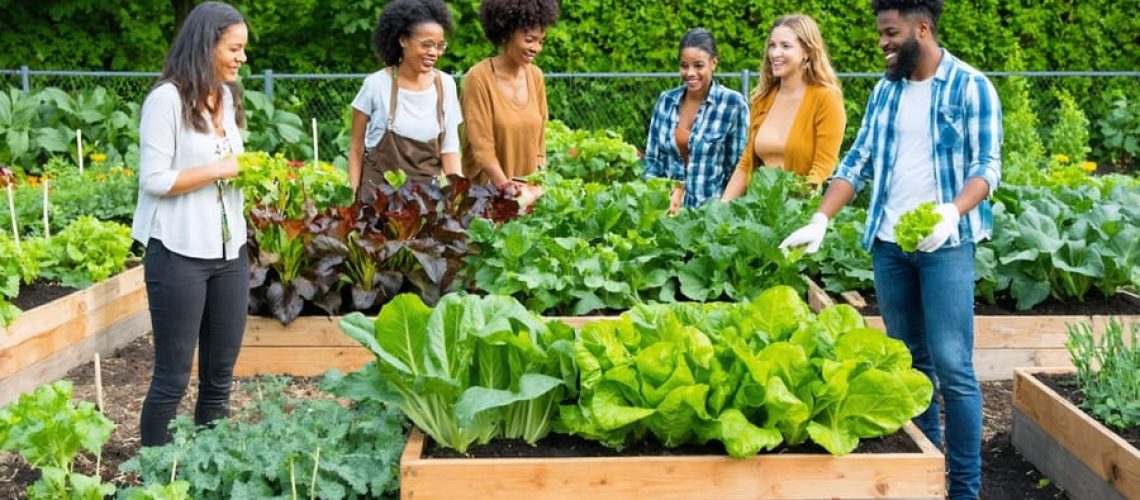
A community garden is a shared piece of land where people collectively grow fruits, vegetables, herbs, flowers, or other plants. Some gardens assign individual plots to participants, while others are managed cooperatively, with everyone contributing to planting, maintenance, and harvesting.
These gardens can be found in schools, churches, residential neighborhoods, apartment complexes, workplaces, and public parks. Their primary purpose extends beyond food production, they also encourage education, social interaction, and environmental responsibility.
Supporting Food Sustainability
Food sustainability means producing and consuming food in ways that meet today’s needs without compromising the ability of future generations to do the same. Community gardens contribute to this goal in several meaningful ways.
First, they increase access to fresh, nutritious food. Many urban neighborhoods have limited access to affordable fruits and vegetables. Community gardens help bridge this gap by providing locally grown produce that is often healthier and fresher than store-bought alternatives.
Second, they reduce transportation emissions. Most supermarket food travels hundreds or even thousands of kilometers before reaching consumers. Locally grown vegetables require minimal transportation, reducing fuel consumption and lowering carbon emissions.
Third, community gardens encourage environmentally friendly farming practices. Many participants choose organic methods, compost kitchen scraps, collect rainwater, and avoid harmful chemical pesticides. These sustainable practices help protect soil health, conserve water, and support biodiversity.
Building Stronger Communities
One of the greatest benefits of community gardens is their ability to bring people together. Gardening naturally encourages cooperation, communication, and shared responsibility. Neighbors who may never have spoken before often develop friendships while planting tomatoes or watering vegetables. Children learn valuable lessons from older gardeners, while experienced growers pass down traditional farming techniques and practical knowledge.
Community gardens also foster a sense of ownership and pride. People become more invested in improving their surroundings, resulting in cleaner neighborhoods and stronger community bonds.
In many areas, community gardens have even helped reduce vandalism and transformed neglected spaces into vibrant gathering places filled with life and purpose.
Improving Health and Well-Being
Gardening offers both physical and mental health benefits. Working in a garden involves digging, planting, watering, and harvesting, providing moderate physical exercise that supports overall fitness. Spending time outdoors also exposes people to fresh air and sunlight, contributing to better physical health.
Equally important are the mental health benefits. Gardening has been shown to reduce stress, improve mood, and provide a sense of accomplishment. Watching seeds grow into thriving plants can be incredibly rewarding and therapeutic.
Families who participate in community gardens often develop healthier eating habits because fresh vegetables become readily available. Children who help grow food are also more likely to enjoy eating fruits and vegetables they helped cultivate.
Reducing Food Waste
Community gardens play an important role in minimizing food waste. Gardeners become more aware of the effort required to grow food, making them less likely to waste it. Surplus produce can be shared with neighbors, donated to food banks, schools, or charitable organizations, ensuring that excess harvests benefit those in need instead of ending up in landfills.
Many gardens also operate composting programs that recycle fruit and vegetable scraps into nutrient-rich fertilizer. This natural recycling process reduces household waste while improving soil quality for future planting seasons.
Environmental Benefits
The environmental impact of community gardens extends beyond food production. Green spaces help improve air quality by absorbing carbon dioxide and releasing oxygen. Plants also reduce urban heat by cooling surrounding areas, making cities more comfortable during hot weather.
Gardens provide habitats for bees, butterflies, birds, and other beneficial wildlife that play essential roles in pollination and ecosystem health. Healthy pollinator populations are crucial for maintaining productive food systems.
In addition, well-maintained gardens improve soil quality, reduce erosion, and increase rainwater absorption, helping prevent flooding in some urban environments.
Educational Opportunities
Community gardens serve as outdoor classrooms where people of all ages can learn practical life skills. Schools often use gardens to teach students about biology, nutrition, environmental science, and sustainable agriculture. Adults gain valuable knowledge about planting seasons, soil management, composting, pest control, and healthy cooking.
These educational experiences encourage lifelong appreciation for nature and responsible food production.
Many gardening groups also organize workshops on seed saving, organic farming, water conservation, and climate-smart agriculture, helping communities become more resilient.
Community Gardens in Africa
Across Africa, community gardening initiatives are becoming increasingly important as populations grow and urbanization accelerates.
In cities such as Nairobi, Lagos, Accra, Kigali, and Johannesburg, urban farming projects are helping residents supplement household food supplies while generating additional income. Vacant land, rooftops, school compounds, and community centers are being transformed into productive gardens that provide vegetables and herbs throughout the year.
Community gardens also support women and youth by creating opportunities for entrepreneurship and skill development. Small-scale gardening projects can reduce household expenses, improve nutrition, and strengthen local food systems.
As climate challenges continue to affect agricultural production, community-led gardening initiatives offer practical ways to increase resilience while promoting environmental stewardship.
Challenges to Overcome
Despite their many advantages, community gardens face several obstacles. Limited access to land remains a significant challenge in densely populated urban areas. Water shortages, inadequate funding, theft, and inconsistent volunteer participation can also affect long-term success.
Fortunately, partnerships with local governments, schools, businesses, and non-profit organizations can help address these issues by providing land, training, financial support, and gardening resources.
Strong community leadership and clear management structures are equally important for maintaining successful gardens over time.
The Future of Community Gardening
As concerns about food security, environmental sustainability, and climate change continue to grow, community gardens are likely to become even more valuable. Modern technologies such as drip irrigation, rainwater harvesting, composting systems, vertical gardening, and smart gardening tools can further improve productivity while conserving resources.
Communities that embrace local food production will be better equipped to adapt to future challenges while creating healthier environments for everyone.
Conclusion
Community gardens are much more than places to grow vegetables, they are symbols of cooperation, resilience, and sustainability. They provide fresh food, strengthen neighborhoods, protect the environment, reduce food waste, and educate future generations about responsible agriculture. Whether established in a city neighborhood, a rural village, or a school campus, every community garden represents a step toward a more sustainable food system. By working together and making the most of available land, communities can improve food security while building stronger social connections and healthier environments.
The future of sustainable food production does not depend solely on large farms or advanced technologies. Sometimes, it begins with a small patch of soil, a handful of seeds, and a community willing to grow together.
