

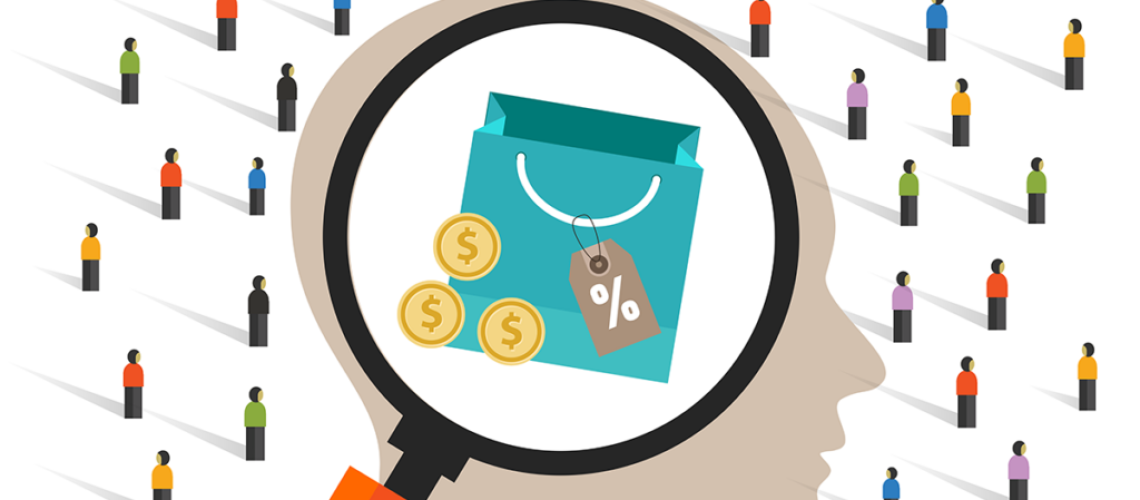
Consumer Spending Trends: Understanding How People Choose to Spend Their Money
Consumer spending is one of the strongest indicators of a country’s economic health. Every day, millions of people make decisions about what to buy, when to buy it, and how much they are willing to spend. These choices may seem personal, but together they shape industries, influence businesses, and even affect national economies. For students, understanding consumer spending trends provides valuable insight into economics, marketing, personal finance, and the rapidly changing marketplace.
Today, spending habits are evolving faster than ever. Technology, inflation, social media, environmental awareness, and changing lifestyles are all influencing how consumers make purchasing decisions. Let’s explore some of the most important consumer spending trends shaping the modern world.
What Are Consumer Spending Trends?
Consumer spending trends refer to the patterns and behaviors people display when purchasing goods and services over time. These trends reveal what consumers value, what influences their buying decisions, and how economic or social changes affect their purchasing habits.
Businesses carefully study these trends because understanding customer behavior helps them develop better products, improve marketing strategies, and meet customer expectations.
The Rise of Online Shopping
One of the biggest changes in consumer spending has been the growth of e-commerce. Instead of visiting physical stores, many consumers now prefer shopping online using smartphones, tablets, or computers.
Online shopping offers several advantages:
- Greater convenience
- More product choices
- Easy price comparisons
- Home delivery services
- Customer reviews before purchasing
In many African countries, improved internet access and mobile payment systems have encouraged more people to shop online. Local and international e-commerce platforms continue expanding as digital commerce becomes part of everyday life.
Mobile Payments Are Becoming the New Normal
Cash is no longer the only way people pay for products. Digital wallets, bank transfer apps, QR codes, and mobile money services are making transactions faster and safer. Countries across Africa have seen rapid adoption of digital payments, allowing consumers to buy products, pay bills, and transfer money directly from their mobile phones.
This shift has encouraged businesses of all sizes, from supermarkets to street vendors, to embrace cashless payment options.
Consumers Are Becoming More Price Conscious
Rising living costs have made many consumers more careful about how they spend money. Inflation affects the prices of food, transportation, fuel, education, and household goods, forcing families to adjust their budgets.
Instead of buying expensive brands automatically, many consumers now:
- Compare prices across different stores
- Wait for discounts or promotions
- Purchase store-brand alternatives
- Buy only essential items
- Search for value rather than luxury
This trend has encouraged businesses to offer competitive pricing and loyalty programs to retain customers.
Sustainability Is Influencing Purchasing Decisions
Modern consumers, especially younger generations, are paying more attention to environmental issues. Many people now consider how products are made before making purchases.
Consumers increasingly support businesses that:
- Reduce plastic packaging
- Practice ethical sourcing
- Minimize environmental pollution
- Support local communities
- Produce durable products
Although sustainable products sometimes cost more, many buyers see them as worthwhile long-term investments.
Social Media Shapes Buying Behavior
Platforms such as Instagram, TikTok, Facebook, and YouTube have transformed how consumers discover products.
Instead of relying solely on television advertisements, people now:
- Watch influencer reviews
- Follow product demonstrations
- Read online comments
- Compare recommendations
- View unboxing videos
Social media has become a powerful marketing tool because consumers often trust recommendations from creators they follow.
Health and Wellness Spending Continues to Grow
People are becoming more interested in maintaining healthier lifestyles. As a result, spending on health-related products and services continues to increase.
Popular purchases include:
- Fitness equipment
- Healthy foods
- Organic products
- Vitamins and supplements
- Mental wellness services
The COVID-19 pandemic also increased awareness of personal health, encouraging consumers to invest more in preventive healthcare and wellness products.
Experiences Matter More Than Possessions
Many young consumers now prefer spending money on memorable experiences rather than simply buying physical items.
Examples include:
- Traveling
- Attending concerts
- Learning new skills
- Dining out
- Sporting events
- Entertainment activities
This shift reflects a growing belief that experiences create lasting memories and personal growth.
Local Businesses Are Gaining More Support
Consumers are increasingly supporting local businesses and entrepreneurs. Buying locally helps strengthen communities by creating jobs and encouraging economic development.
Across Africa, many consumers deliberately purchase:
- Locally produced food
- Handmade crafts
- Fashion from local designers
- Agricultural products
- Small business services
Governments and community organizations also encourage “buy local” campaigns to boost domestic industries.
Subscription Services Are Changing Spending Habits
Instead of making one-time purchases, consumers are increasingly subscribing to products and services.
Common examples include:
- Music streaming
- Video streaming
- Cloud storage
- Online learning platforms
- Monthly product boxes
Subscriptions provide convenience while giving businesses a predictable source of recurring revenue.
Artificial Intelligence Is Personalizing Shopping
Artificial intelligence (AI) is making shopping experiences more personalized than ever. Online stores now recommend products based on browsing history, previous purchases, and customer preferences.
AI also powers:
- Virtual shopping assistants
- Personalized discounts
- Chatbots
- Product recommendations
- Smart inventory management
These technologies improve customer satisfaction while helping businesses increase sales.
What These Trends Mean for Students
Understanding consumer spending trends offers several practical benefits for students. It helps them make smarter financial decisions, recognize effective marketing strategies, and understand how economic conditions influence everyday life.
Students studying business, economics, finance, or marketing can use these trends to better understand consumer psychology and prepare for careers in industries where customer behavior drives decision-making.
Even students outside business-related fields benefit from learning how spending habits affect budgeting, saving, and responsible consumption.
Looking Ahead
Consumer spending will continue to evolve as technology advances and societies change. Artificial intelligence, digital currencies, sustainable products, and personalized shopping experiences are expected to play even greater roles in future purchasing decisions.
For businesses, staying informed about these changes is essential for remaining competitive. For consumers, understanding spending trends leads to wiser financial choices and more informed purchasing decisions.
Ultimately, consumer spending trends reflect more than just buying habits, they reveal changing lifestyles, economic conditions, technological progress, and shifting social values. By paying attention to these patterns, students gain valuable knowledge that will help them navigate both the marketplace and their future careers with greater confidence.
