

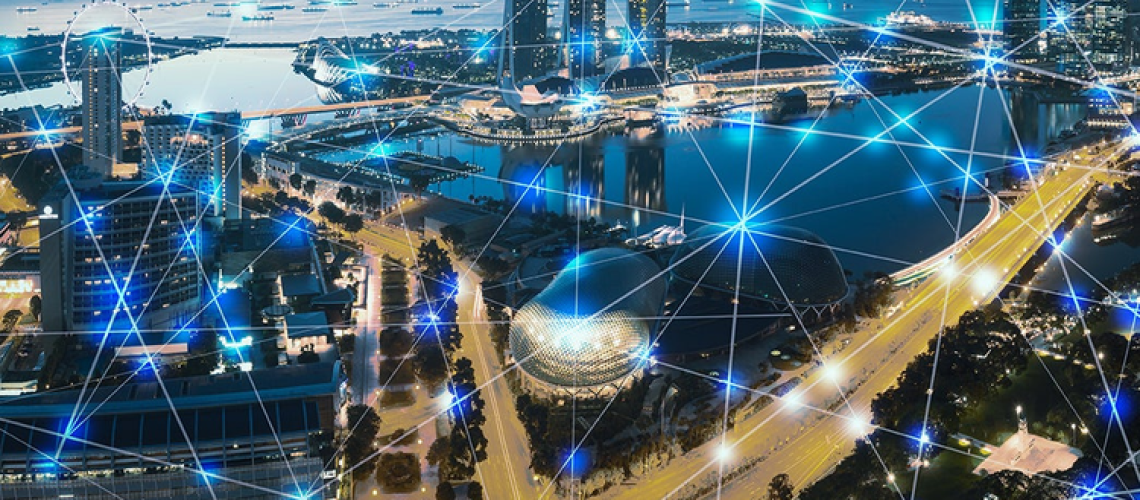
As urban populations continue to grow, cities around the world are embracing technology to improve infrastructure, sustainability, and quality of life.
These “smart cities” use digital solutions, data analytics, renewable energy, and connected systems to address challenges such as traffic congestion, waste management, public safety, and environmental sustainability.
While established smart cities like Singapore and Dubai often dominate discussions, many emerging smart cities are rapidly transforming and deserve attention. Across Africa, Asia, the Middle East, and Latin America, innovative urban developments are setting new standards for modern living.
What Makes a City Smart?
A smart city integrates technology into everyday urban operations. Key characteristics include:
- Intelligent transportation systems
- Smart energy grids
- Efficient waste management
- Digital public services
- Sustainable building practices
- High-speed internet connectivity
- Data-driven governance
- Enhanced public safety systems
The goal is to create cities that are more efficient, environmentally friendly, and responsive to residents’ needs.
Emerging Smart Cities Around the World
Kigali, Rwanda
Kigali has become one of Africa’s leading examples of smart urban development. The city has invested heavily in digital governance, smart transportation initiatives, and environmentally sustainable planning.
Government services are increasingly available online, reducing bureaucracy and improving accessibility for citizens. The city’s commitment to cleanliness, innovation, and technology-driven development has attracted investors and entrepreneurs from across the continent.
Konza Technopolis, Kenya
Often referred to as “Africa’s Silicon Savannah,” Konza Technopolis is a planned smart city designed to become a technology and innovation hub.
The city aims to host technology companies, research institutions, universities, and residential communities supported by modern infrastructure. Smart energy systems, digital connectivity, and sustainable urban planning are central to its development strategy.
Eko Atlantic City, Nigeria
Built on reclaimed land along the Atlantic coast in Lagos, Eko Atlantic represents one of Africa’s most ambitious urban projects.
The city is being designed with advanced infrastructure, reliable power systems, modern telecommunications networks, and improved flood protection measures. Its planners envision a business and residential district capable of supporting future economic growth and technological innovation.
New Administrative Capital, Egypt
Egypt’s New Administrative Capital is being developed to ease congestion in Cairo while showcasing modern urban planning.
The city incorporates smart infrastructure, intelligent transportation systems, renewable energy solutions, and advanced digital services. It is expected to become a major administrative, financial, and residential center.
Nusantara, Indonesia
Indonesia’s planned capital city, Nusantara, is being designed as a sustainable smart city from the ground up.
Developers aim to incorporate renewable energy, green transportation, smart governance systems, and extensive green spaces. The project seeks to create a model for environmentally responsible urban development.
Amaravati, India
Amaravati has been envisioned as a technologically advanced urban center featuring smart infrastructure, efficient public services, and sustainable growth strategies.
The city’s plans include integrated transportation networks, smart utilities, and digital government platforms designed to improve residents’ daily experiences.
Key Technologies Driving Smart Cities
Internet of Things (IoT)
Connected sensors collect real-time data on traffic, energy consumption, water usage, and public infrastructure. This information helps city managers make informed decisions and optimize resources.
Artificial Intelligence
AI enables predictive maintenance, traffic optimization, public safety monitoring, and improved service delivery through data analysis.
Renewable Energy
Solar, wind, and other renewable energy sources are increasingly integrated into smart city designs to reduce environmental impact and improve energy resilience.
Smart Transportation
Modern cities are deploying intelligent traffic systems, electric vehicle infrastructure, public transit monitoring, and mobility apps that improve transportation efficiency.
Digital Governance
Online government platforms simplify access to public services, licensing, payments, and citizen engagement.
Benefits of Smart Cities
Improved Quality of Life
Residents benefit from reduced traffic congestion, better public services, enhanced safety, and more efficient infrastructure.
Economic Growth
Smart cities attract investment, create jobs, and support innovation ecosystems that drive economic development.
Environmental Sustainability
Efficient energy use, smart waste management, and green infrastructure help reduce carbon emissions and environmental degradation.
Better Resource Management
Real-time monitoring enables cities to manage water, electricity, transportation, and public services more effectively.
Challenges Facing Smart City Development
Despite their promise, smart cities face several challenges:
- High infrastructure costs
- Data privacy concerns
- Cybersecurity risks
- Digital inclusion gaps
- Regulatory and governance issues
- Long-term maintenance requirements
Successful smart city projects must balance technological innovation with affordability, accessibility, and sustainability.
The Future of Smart Cities
As urbanization accelerates, smart city development will become increasingly important. Advances in artificial intelligence, renewable energy, autonomous transportation, and digital connectivity will continue to shape how cities operate.
Emerging smart cities across Africa and other developing regions demonstrate that innovation is no longer limited to wealthy nations. By embracing technology and sustainable planning, these cities are creating new models for urban growth that could influence the future of cities worldwide.
Conclusion
Emerging smart cities are redefining urban living through technology, sustainability, and innovation. From Kigali and Konza Technopolis to Eko Atlantic and Nusantara, these cities are investing in solutions that address modern urban challenges while creating opportunities for future generations.
As governments, businesses, and communities continue to embrace smart technologies, the cities leading these transformations are likely to become important economic and technological centers in the decades ahead.
