

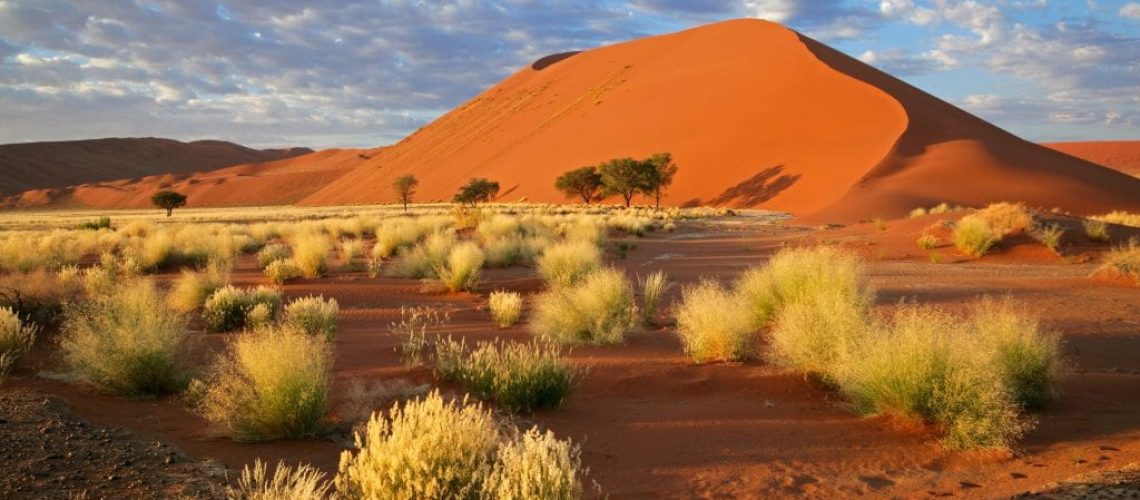
Africa is home to some of the world’s most spectacular deserts, offering breathtaking scenery, unique wildlife, rich cultural heritage, and unforgettable travel experiences.
While deserts are often imagined as endless stretches of lifeless sand, Africa’s deserts tell a different story. They are vibrant ecosystems filled with resilient plants, fascinating animals, ancient civilizations, and landscapes shaped by millions of years of natural history.
From the towering dunes of the Sahara to the mysterious coastal deserts of Namibia, Africa’s desert regions continue to attract scientists, photographers, adventurers, and tourists from around the world. These vast landscapes also play an important role in understanding climate, conservation, and human adaptation.
In this article, we explore Africa’s most remarkable desert landscapes and what makes each one unique.
The Sahara Desert: Africa’s Giant Wilderness
The Sahara Desert is the largest hot desert in the world, covering approximately 9.2 million square kilometers across North Africa. It stretches through more than ten countries, including Algeria, Egypt, Libya, Morocco, Tunisia, Chad, Mali, Niger, Mauritania, and Sudan.
Although famous for its endless golden dunes, the Sahara is incredibly diverse.
Its landscapes include:
- Massive sand dunes known as ergs
- Rocky plateaus
- Gravel plains
- Mountain ranges
- Salt flats
- Seasonal oases
Temperatures during summer can exceed 50°C (122°F), while nights may become surprisingly cold.
Despite these harsh conditions, the Sahara supports remarkable life. Date palms flourish around oases, while animals such as fennec foxes, addax antelopes, camels, and desert reptiles have evolved to survive extreme heat and limited water.
The Namib Desert: Earth’s Ancient Coastal Desert
Stretching along Namibia’s Atlantic coastline, the Namib Desert is considered one of the oldest deserts on Earth, estimated to be over 55 million years old.
The Namib is famous for:
- Giant orange-red sand dunes
- Dramatic coastal scenery
- Deadvlei’s ancient camel thorn trees
- Skeleton Coast shipwrecks
- Fog-covered mornings
Unlike many deserts, moisture from Atlantic Ocean fog provides enough water to sustain surprising biodiversity.
Unique wildlife includes:
- Desert-adapted elephants
- Oryx (gemsbok)
- Brown hyenas
- Beetles that collect moisture from fog
- Numerous reptiles
Photographers often consider the Namib among the most visually stunning places in Africa due to its striking contrasts between red sand, blue skies, and white salt pans.
The Kalahari Desert: A Living Desert
Despite being called a desert, much of the Kalahari receives more rainfall than typical deserts.
Covering parts of:
- Botswana
- Namibia
- South Africa
the Kalahari consists of grasslands, shrubs, and sandy plains rather than endless dunes.
The region supports abundant wildlife, including:
- Lions
- Cheetahs
- Meerkats
- Giraffes
- Springboks
- Wildebeests
The Kalahari is also home to the San people (Bushmen), whose traditional survival skills have been passed down for thousands of years. Their knowledge of edible plants, animal tracking, and water conservation remains one of humanity’s greatest examples of adapting to harsh environments.
The Danakil Depression: One of Earth’s Harshest Places
Located in northeastern Ethiopia, the Danakil Depression is one of the hottest inhabited places on Earth.
Its landscape resembles another planet, featuring:
- Colorful mineral deposits
- Active volcanoes
- Sulfur springs
- Salt lakes
- Lava fields
The region’s extreme temperatures often exceed 45°C (113°F) throughout the year. Despite these conditions, local Afar communities have harvested salt here for centuries using traditional camel caravans that continue to operate today.
The White Desert of Egypt
Egypt’s White Desert is unlike any other African landscape. Instead of sand dunes alone, visitors encounter extraordinary white chalk rock formations sculpted by wind over millions of years.
These natural sculptures resemble:
- Giant mushrooms
- Icebergs
- Animals
- Towers
- Abstract works of art
Camping beneath the stars in the White Desert has become one of Egypt’s most popular adventure tourism experiences.
Wildlife That Thrives in African Deserts
Many people assume deserts contain very little wildlife. In reality, African deserts support highly specialized species.
Some remarkable desert animals include:
- Fennec foxes
- Dromedary camels
- Oryx antelopes
- Desert elephants
- Meerkats
- Brown hyenas
- Addax antelopes
- Ostriches
- Sand vipers
- Desert lizards
These animals survive by:
- Conserving water efficiently
- Being active during cooler hours
- Burrowing underground
- Storing fat reserves
- Feeding on drought-resistant vegetation
Their adaptations demonstrate nature’s incredible resilience.
Desert Plants: Masters of Survival
African deserts also contain plants specially adapted to survive prolonged drought.
Examples include:
- Acacia trees
- Date palms
- Succulents
- Euphorbia species
- Welwitschia mirabilis
- Aloe plants
Some plants develop deep root systems reaching underground water, while others store moisture inside thick stems or leaves. The ancient Welwitschia plant of Namibia is especially remarkable, with some individuals estimated to be over 1,000 years old.
Cultural Heritage in the Desert
Africa’s deserts have long been crossroads of trade, migration, and cultural exchange.
Historic caravan routes once connected North Africa with sub-Saharan Africa, transporting:
- Gold
- Salt
- Ivory
- Textiles
- Spices
Communities such as the Tuareg, Berber, and Afar peoples developed rich traditions centered on desert life, including distinctive clothing, music, architecture, and hospitality.
Many ancient rock art sites found across the Sahara reveal that parts of today’s desert were once much greener and supported thriving human settlements.
Tourism Opportunities
Desert tourism continues to grow across Africa, attracting travelers seeking adventure and unique natural beauty.
Popular activities include:
- Camel trekking
- Sandboarding
- Wildlife safaris
- Camping under star-filled skies
- 4×4 desert expeditions
- Photography tours
- Cultural village visits
- Stargazing
Countries such as Namibia, Morocco, Egypt, Botswana, and Algeria have invested in sustainable tourism that showcases their desert landscapes while supporting local communities.
Environmental Challenges
African deserts face increasing environmental pressures.
Key challenges include:
- Climate change
- Desertification
- Water scarcity
- Unsustainable grazing
- Habitat degradation
- Population pressure in vulnerable regions
Governments and conservation organizations are working together to protect fragile ecosystems while promoting sustainable land management.
One major initiative is the Great Green Wall, which aims to restore degraded land across the Sahel by planting trees, improving soil health, and supporting local livelihoods.
Why Africa’s Deserts Matter
Africa’s deserts are far more than empty expanses of sand. They preserve ancient history, sustain remarkable wildlife, support resilient communities, and offer some of the continent’s most breathtaking scenery.
These extraordinary landscapes also help scientists study climate change, geology, biodiversity, and human resilience. As tourism continues to grow, responsible travel and conservation efforts will play a crucial role in protecting these fragile environments for future generations.
Whether watching the sunrise over the towering dunes of the Sahara, exploring Namibia’s surreal salt pans, or learning from indigenous desert communities, Africa’s deserts reveal a side of the continent that is both timeless and awe-inspiring.
Conclusion
Exploring Africa’s desert landscapes is a journey into some of the planet’s most extraordinary natural environments. From the vast Sahara and the ancient Namib to the wildlife-rich Kalahari and the colorful Danakil Depression, each desert tells a unique story of survival, beauty, and cultural heritage.
As interest in eco-tourism and adventure travel continues to rise, Africa’s deserts remain destinations that inspire wonder while reminding us of the importance of protecting these remarkable ecosystems. For travelers, researchers, and nature lovers alike, Africa’s deserts offer experiences that are both unforgettable and deeply enriching.
