

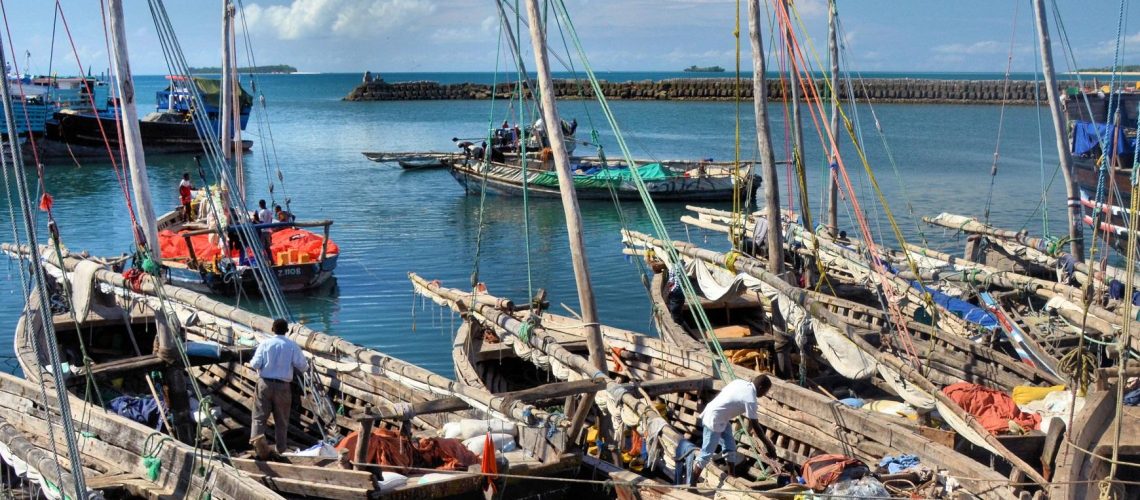
Africa’s relationship with the sea stretches back thousands of years.
From the Swahili coast of East Africa to the Atlantic shores of West Africa and the Mediterranean north, these cities preserve stories of African kingdoms, merchants, explorers, colonial encounters, and generations of cultural exchange.
Why Africa’s Port Cities Matter
Port cities often developed where geography offered access to valuable trade routes. Their natural harbors allowed ships to transport goods between inland communities and international markets.
These locations gradually became diverse urban centers. Merchants from different regions settled there, while languages, religions, architectural styles, foods, and traditions crossed cultural boundaries.
Today, many historic port cities remain economically important. Their historical significance also makes them attractive destinations for travelers interested in architecture and heritage.
Zanzibar: A Center of Indian Ocean Exchange

The city became an important point in Indian Ocean trade. Spices, textiles, food products, and other commodities passed through the wider Zanzibar region.
Walking through Stone Town today offers visitors an opportunity to experience this layered history through architecture, markets, museums, and the old waterfront.
Mombasa: Kenya’s Historic Coastal Gateway

One of its best-known landmarks is Fort Jesus, which reflects the intense competition surrounding control of the region’s maritime trade routes.
Mombasa’s Old Town also provides a glimpse into the city’s multicultural history through its buildings, streets, markets, and religious sites.
Lamu: A Living Swahili Heritage City

The city’s traditional dhow culture remains an important part of its identity. Visitors can explore the old town, observe traditional architecture, and learn about the maritime traditions that helped shape coastal East Africa.
Alexandria: Egypt’s Mediterranean Gateway

Founded in antiquity, the city became an important intellectual and commercial center. Its location connected Egypt with Mediterranean territories and broader trade networks.
Although much of ancient Alexandria has disappeared beneath modern development or the sea, the city’s historic importance remains visible through archaeological sites, museums, and its enduring relationship with the Mediterranean.
Essaouira: Morocco’s Atlantic Heritage

The city’s historic character makes it particularly interesting for travelers who enjoy combining coastal scenery with cultural exploration.
Its harbor also remains connected to everyday economic activity, demonstrating how historical port infrastructure can continue serving local communities.
Accra and the Wider Ghanaian Coast
Ghana’s coastline contains numerous locations connected to the history of Atlantic trade. Coastal settlements grew in importance as European trading networks expanded, leaving behind forts, castles, and historic communities.
Places such as Jamestown in Accra provide an example of how coastal heritage remains embedded within a modern African city.
These locations also encourage important conversations about trade, colonialism, migration, resistance, and the human consequences of the Atlantic slave trade.
Lagos: From Coastal Settlement to Global City
Lagos illustrates the transformation of an African port city into a major modern metropolis.
Its waterways and coastal position contributed to its development as a center of commerce. Over time, Lagos grew from a coastal settlement into one of Africa’s most influential economic and cultural cities.
Areas such as Lagos Island preserve aspects of the city’s older history, while its modern ports and commercial districts demonstrate the continuing importance of maritime connectivity.
Port Cities as Cultural Meeting Points
The importance of historic African ports extends beyond trade.
These cities became places where cultures met. Foods changed as new ingredients and cooking techniques arrived. Languages borrowed words from one another. Clothing, architecture, music, and religious practices also evolved through cultural interaction.
This is why exploring an old port city can reveal much more than its buildings. Its culture often represents centuries of movement and exchange.
Preserving Africa’s Maritime Heritage
Rapid urbanization presents challenges for historic coastal areas. Older buildings can deteriorate, while modern construction may threaten traditional neighborhoods.
Heritage preservation therefore requires cooperation between governments, communities, historians, tourism organizations, and local businesses.
Tourism can contribute to preservation when it is managed responsibly. Visitors who support local guides, artisans, restaurants, museums, and heritage organizations can help ensure that historic districts remain economically valuable to their communities.
A Journey Through Africa’s Coastal History
Africa’s historic port cities tell a story of movement. Ships carried goods, but people carried languages, beliefs, ideas, traditions, and memories.
Exploring places such as Zanzibar, Mombasa, Lamu, Alexandria, Essaouira, Accra, and Lagos reveals the depth of Africa’s connections with the wider world. These cities demonstrate that Africa has never been isolated from global history.
For travelers, they offer more than beautiful coastlines. They provide an opportunity to walk through living history and understand how maritime trade helped shape the African cities we know today.
