

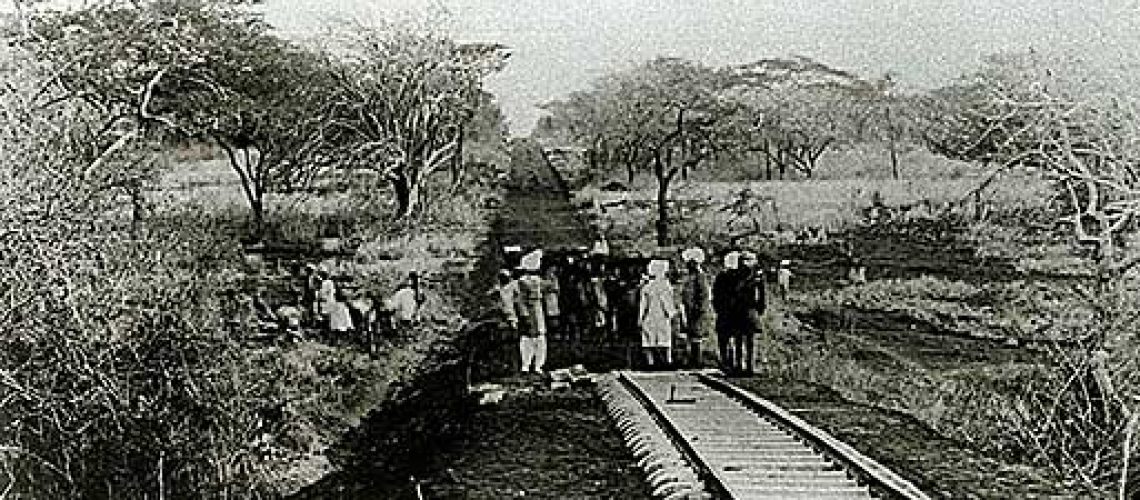
Africa’s railway history is closely connected to the growth of many towns and cities across the continent.
Long before modern highways and airports became major transport networks, railways connected inland communities with ports, commercial centers, mines, farms, and industrial areas.
As railway lines expanded during the late nineteenth and twentieth centuries, settlements developed around stations, depots, workshops, and junctions. Some of these communities later became important commercial centers, while others retained fascinating railway landmarks that tell stories about Africa’s economic and social transformation.
Today, Africa’s historic railway towns offer more than abandoned tracks and old stations. They provide opportunities to explore architecture, transportation history, local culture, and the changing relationship between communities and trade.
Why Railway Towns Matter to African History
Railways played an important role in connecting different parts of Africa. They moved agricultural products, minerals, manufactured goods, passengers, and other resources between regions.
Railway stations also became meeting points. Traders, workers, travelers, and local residents interacted around them. Businesses such as hotels, restaurants, markets, workshops, and stores often developed nearby.
Over time, these activities transformed small settlements into recognizable towns.
Although many railway networks were initially developed during the colonial period to support particular economic and administrative interests, their infrastructure later became part of the transportation systems of independent African countries.
Swakopmund, Namibia
Swakopmund is one of Namibia’s best-known historic towns, and its history is closely associated with the development of rail transportation.
The town developed as an important coastal settlement and transportation point during the German colonial period. Railway connections helped link Swakopmund with inland areas, strengthening its role in trade and administration.
Visitors can still find historic buildings that reflect the town’s German colonial architectural influence. The railway heritage adds another layer to Swakopmund’s identity as a place where African, European, commercial, and transportation histories intersect.
Bulawayo, Zimbabwe
Bulawayo became an important railway center during the expansion of southern Africa’s railway network.
Its location made it a significant transportation and commercial hub. Railway infrastructure supported the movement of goods and passengers across the region and contributed to the city’s industrial development.
The National Railways of Zimbabwe has historically maintained major railway facilities in Bulawayo, including workshops and railway-related infrastructure.
For visitors interested in transportation history, Bulawayo provides an opportunity to understand how railway networks influenced the development of major southern African cities.
Livingstone, Zambia
Livingstone is another important railway town in southern Africa.
The town developed near Victoria Falls and became an important transportation center after railway connections reached the area. Rail travel helped connect Livingstone with other parts of the region while supporting tourism and commercial activity around the famous waterfall.
Its railway heritage can be explored alongside other historical attractions connected to the development of Livingstone as an early tourism and administrative center.
The town therefore demonstrates how railways could influence not only trade but also tourism.
Nairobi, Kenya
Nairobi’s history is strongly connected to the railway. The settlement grew rapidly after the Uganda Railway reached the area in the late nineteenth century. What began as a railway depot eventually developed into one of East Africa’s largest cities.
The railway influenced Nairobi’s early economic growth by attracting workers, traders, administrators, and businesses. The city’s development illustrates how transportation infrastructure can influence urbanization.
Today, Nairobi’s railway history remains an important part of its heritage. Visitors can explore railway-related collections and landmarks while learning about the city’s transformation from a railway settlement into a major African metropolis.
Kisumu, Kenya
Kisumu, located on the shores of Lake Victoria, also benefited significantly from railway development.
The railway connected the town with Nairobi and other parts of Kenya, strengthening its position as a commercial and transportation center.
Its connection to Lake Victoria made Kisumu particularly important because goods could move between railway and lake transportation networks.
This combination of rail and water transport helped establish the town as an important regional trading point.
Antananarivo and Madagascar’s Railway Heritage
Madagascar has a distinctive railway history shaped by its geography and colonial-era infrastructure. The country’s railway lines connected important inland communities with coastal areas and helped transport agricultural products and other goods across challenging terrain.
Some historic railway settlements developed around stations and junctions. These communities demonstrate how railway construction could create connections across mountainous landscapes while influencing local economies.
Madagascar’s railway heritage is especially interesting because of the engineering challenges involved in building and operating railways across the island’s varied terrain.
Railway Towns in South Africa
South Africa contains numerous communities whose development was influenced by railway expansion.
Towns such as Kimberley, Ladysmith, and Graaff-Reinet have connections to the country’s broader railway and industrial history.
Kimberley, in particular, became an important transportation center during the growth of the diamond-mining industry. Railways helped connect mining areas with ports and other commercial centers.
These towns demonstrate the close relationship between rail transportation, mining, agriculture, and urban development in southern Africa.
Railway Towns and Local Markets
One interesting feature of historic railway towns is their relationship with markets.
Railway stations created opportunities for traders to move products over longer distances. Farmers could transport agricultural goods, while merchants could access products from other regions.
In many communities, station areas became commercial gathering points.
This history can still be observed today in towns where markets, shops, transport terminals, and informal businesses operate near old railway corridors.
The Architecture of Railway Heritage
Historic railway towns are also valuable because of their architecture. Old stations, railway houses, warehouses, bridges, signal buildings, workshops, and hotels can reveal how transportation shaped urban design.
Some structures have been renovated and given new uses. Others remain as historical landmarks.
Preserving these buildings can help communities maintain a physical connection to their past while creating opportunities for cultural tourism.
Challenges Facing Africa’s Railway Heritage
Despite their historical importance, many railway landmarks face preservation challenges. Some old stations and railway buildings have deteriorated because of limited maintenance. Others have been replaced by newer infrastructure or abandoned as railway operations changed.
Urban expansion can also put pressure on historic railway sites.
Preservation requires more than maintaining old buildings. Communities need historical documentation, conservation programs, public awareness, and sustainable funding.
Local residents should also have a meaningful role in deciding how railway heritage is preserved and presented.
Turning Railway History Into Tourism Opportunities
Historic railway towns have significant potential for cultural tourism.
Visitors could explore old railway stations, museums, bridges, workshops, markets, and nearby historical attractions. Guided walking tours could explain how railway infrastructure influenced local communities.
Railway-themed festivals and exhibitions could also attract visitors while supporting local businesses.
Restaurants, craft sellers, hotels, tour guides, transport operators, and other small businesses could benefit from increased heritage tourism.
Why Railway Towns Still Matter Today
Africa’s historic railway towns remind us that transportation infrastructure can shape communities for generations. A railway line may begin as a route for moving goods and passengers, but its effects can extend into urban planning, employment, commerce, tourism, and culture.
As African countries continue investing in modern railway networks, understanding this history can provide valuable lessons. New transportation projects are not simply about tracks and trains. They can influence where businesses develop, how communities grow, and how people connect with one another.
Conclusion
Exploring Africa’s historic railway towns offers a fascinating way to understand the continent’s transportation, economic, architectural, and social history.
From Nairobi and Kisumu in East Africa to Bulawayo and Livingstone in the south, railway development helped shape communities whose importance continues today.
Preserving these places can keep important stories alive while creating new opportunities for tourism, education, and local economic development. Africa’s railway heritage is therefore not simply a reminder of the past. It can also become part of how communities tell their stories and build their futures.
