

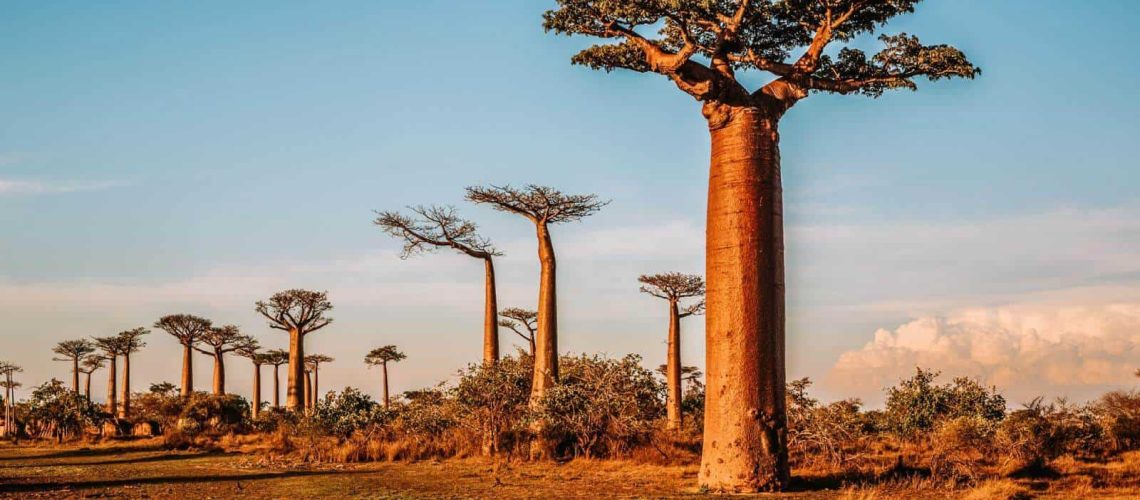
Africa has long captivated travelers with its breathtaking wildlife, ancient civilizations, diverse cultures, and stunning natural landscapes.
For decades, tourism on the continent has been associated primarily with safaris in East Africa, the pyramids of Egypt, and the beaches of destinations like Zanzibar, Mauritius, and the Seychelles. While these iconic attractions continue to draw millions of visitors each year, a new chapter in African tourism is unfolding.
Today, Africa’s tourism industry is expanding beyond traditional hotspots into exciting new frontiers. Governments are investing in infrastructure, entrepreneurs are creating innovative travel experiences, local communities are embracing sustainable tourism, and technology is making previously overlooked destinations accessible to global travelers. From remote mountain villages and volcanic landscapes to emerging cultural festivals and eco-friendly lodges, Africa is redefining what it means to explore the continent.
These new tourism frontiers offer more than beautiful destinations, they create economic opportunities, preserve cultural heritage, encourage environmental conservation, and promote inclusive development across communities.
The Evolution of African Tourism
Tourism in Africa has undergone remarkable transformation over the past two decades. Instead of relying solely on internationally recognized attractions, many countries are now developing diverse tourism products that appeal to different types of travelers.
Modern visitors increasingly seek:
- Authentic cultural experiences
- Adventure tourism
- Eco-tourism
- Wellness retreats
- Historical exploration
- Community-based tourism
- Culinary tourism
- Digital nomad destinations
As traveler preferences evolve, African nations are responding with innovative offerings that showcase the continent’s incredible diversity.
Emerging Tourism Destinations Across Africa
Rwanda: Beyond Mountain Gorillas
Rwanda has successfully transformed itself into one of Africa’s fastest-growing tourism destinations. While gorilla trekking remains its flagship attraction, visitors now explore vibrant cities, luxury eco-lodges, coffee plantations, birdwatching reserves, cycling trails, and cultural villages.
The country’s emphasis on cleanliness, safety, and environmental protection has strengthened its global reputation.
Namibia’s Desert Adventures
Namibia offers some of the world’s most spectacular desert scenery. Travelers increasingly visit for:
- Sand dune adventures
- Desert wildlife
- Stargazing
- Adventure sports
- Indigenous cultural experiences
Its vast open spaces attract photographers, nature lovers, and outdoor enthusiasts from around the world.
São Tomé and Príncipe: Africa’s Hidden Island Paradise
Often overlooked, this island nation is becoming a favorite among travelers seeking unspoiled beaches, volcanic forests, sustainable resorts, and unique biodiversity.
Limited mass tourism has helped preserve its natural beauty while creating opportunities for responsible tourism development.
Ethiopia’s Cultural Heritage
Ethiopia continues expanding tourism around its ancient churches, historical kingdoms, dramatic highlands, coffee heritage, and archaeological sites.
Adventure trekking, cultural festivals, and historical tourism are attracting increasing international attention.
Mozambique’s Coastal Revival
Mozambique’s extensive coastline offers diving, marine conservation, island tourism, fishing expeditions, and luxury beach resorts.
Improved infrastructure is helping unlock tourism potential along previously inaccessible coastal regions.
Ghana’s Heritage Tourism
Ghana has become a major destination for heritage tourism, attracting members of the African diaspora interested in reconnecting with ancestral history.
Festivals, castles, museums, art markets, and cultural celebrations create immersive visitor experiences throughout the year.
Adventure Tourism on the Rise
Adventure travel is among the fastest-growing tourism segments worldwide, and Africa provides extraordinary opportunities.
Popular activities include:
- Mountain climbing
- Volcano hiking
- Desert trekking
- White-water rafting
- Scuba diving
- Sandboarding
- Cave exploration
- Wildlife photography
- Mountain biking
- Zip-lining
Countries are investing in adventure infrastructure while maintaining strict environmental standards.
Community-Based Tourism
One of Africa’s most promising tourism frontiers is community-based tourism.
Instead of profits flowing mainly to large corporations, community tourism allows local residents to benefit directly through:
- Homestays
- Cultural performances
- Guided village tours
- Traditional cooking classes
- Local craft markets
- Agricultural tourism
- Indigenous storytelling
This model strengthens local economies while preserving traditions that might otherwise disappear.
Eco-Tourism and Conservation
Environmental conservation has become central to Africa’s tourism future.
Eco-tourism initiatives support:
- Wildlife protection
- Forest conservation
- Marine preservation
- Renewable energy
- Sustainable accommodations
- Responsible wildlife viewing
- Plastic reduction
- Community conservation programs
Many lodges now operate using solar energy, rainwater harvesting systems, and environmentally friendly building materials.
Cultural Tourism Expands Beyond Museums
Travelers increasingly seek immersive cultural experiences rather than simply observing historical artifacts.
Across Africa, visitors participate in:
- Traditional festivals
- Dance workshops
- Local cuisine experiences
- Music performances
- Craft-making sessions
- Language exchanges
- Fashion exhibitions
- Heritage walks
These interactions create meaningful cultural exchange while generating income for local artists and communities.
Culinary Tourism Gains Momentum
Food has become one of tourism’s most exciting growth areas.
African culinary tourism showcases:
- Regional street food
- Traditional cooking techniques
- Indigenous ingredients
- Farm-to-table experiences
- Coffee tours
- Cocoa plantations
- Tea estates
- Seafood traditions
- Spice markets
Travelers increasingly plan trips around authentic dining experiences that reflect local history and culture.
Technology Is Transforming African Tourism
Digital innovation is making African destinations more accessible than ever.
Technology now supports:
- Online hotel bookings
- Mobile travel payments
- Virtual destination tours
- Digital travel guides
- AI-powered travel recommendations
- Translation applications
- Digital visas
- GPS-based adventure routes
Social media has also introduced millions of travelers to lesser-known destinations through authentic storytelling and user-generated content.
Infrastructure Opens New Frontiers
Investment in transportation infrastructure is expanding tourism opportunities.
Key developments include:
- New airports
- Modern highways
- Rail connections
- Improved ferry services
- Better telecommunications
- Expanded internet access
- Upgraded accommodation
- Improved public transport
These improvements make remote attractions more accessible while encouraging domestic and regional tourism.
Wellness Tourism Emerges
Wellness tourism is becoming increasingly important across Africa.
Travelers seek:
- Nature retreats
- Yoga escapes
- Mountain meditation
- Spa experiences
- Healing traditions
- Eco-lodges
- Digital detox vacations
Africa’s diverse natural environments provide ideal settings for health and wellness experiences.
Film and Creative Tourism
African films, music, literature, and fashion are attracting global attention.
Visitors now travel to experience:
- Film locations
- Music festivals
- Fashion weeks
- Art galleries
- Cultural exhibitions
- Creative workshops
The continent’s growing creative economy adds another dimension to tourism development.
Investment Opportunities
Africa’s expanding tourism sector presents significant opportunities for investors.
Promising areas include:
- Boutique hotels
- Eco-lodges
- Adventure tourism companies
- Tour operations
- Digital travel platforms
- Sustainable transport
- Hospitality training
- Travel technology
- Cultural attractions
- Wellness resorts
Public-private partnerships continue driving tourism infrastructure across many countries.
The Role of Domestic Tourism
Domestic tourism is becoming increasingly important for long-term resilience.
Local travelers support businesses throughout the year by visiting national parks, beaches, historical landmarks, festivals, and cultural sites. This helps reduce dependence on international visitor arrivals while strengthening national pride.
Challenges Facing Emerging Tourism Frontiers
Despite remarkable progress, several challenges remain.
These include:
- Infrastructure gaps
- Climate change
- Conservation funding
- Skills shortages
- Limited international awareness
- Seasonal demand
- Visa barriers
- Safety perceptions
- Environmental pressures
Addressing these issues requires collaboration among governments, businesses, communities, and development partners.
Sustainable Tourism as the Future
Sustainability is no longer optional, it is essential.
Successful tourism destinations balance:
- Economic growth
- Environmental protection
- Cultural preservation
- Community participation
- Responsible investment
- Visitor education
By adopting sustainable practices, Africa can protect its unique heritage while ensuring tourism benefits future generations.
Future Trends
Several trends are expected to shape Africa’s tourism future:
- AI-powered travel planning
- Smart tourism destinations
- Carbon-conscious travel
- Regenerative tourism
- Digital nomad communities
- Personalized travel experiences
- Increased regional tourism
- Expanded eco-certification
- Greater investment in conservation
- Stronger integration of technology into visitor experiences
These developments position Africa as one of the world’s most dynamic tourism markets.
Conclusion
Africa’s new tourism frontiers represent far more than emerging travel destinations. They symbolize innovation, resilience, cultural pride, and sustainable development. From hidden islands and mountain communities to thriving cultural festivals and eco-friendly resorts, the continent is broadening its appeal to travelers seeking meaningful, authentic experiences.
As infrastructure improves, technology advances, and local communities play a larger role in tourism, Africa is creating a model that balances economic opportunity with environmental stewardship and cultural preservation. Investors, governments, entrepreneurs, and travelers all have a role in shaping this exciting future.
For visitors, these new frontiers promise unforgettable adventures beyond the familiar. For African communities, they offer new livelihoods, stronger local economies, and renewed appreciation for the continent’s extraordinary heritage. The future of African tourism is no longer defined solely by its iconic landmarks, it is being written in every emerging destination, every preserved tradition, and every innovative experience waiting to be discovered.
