

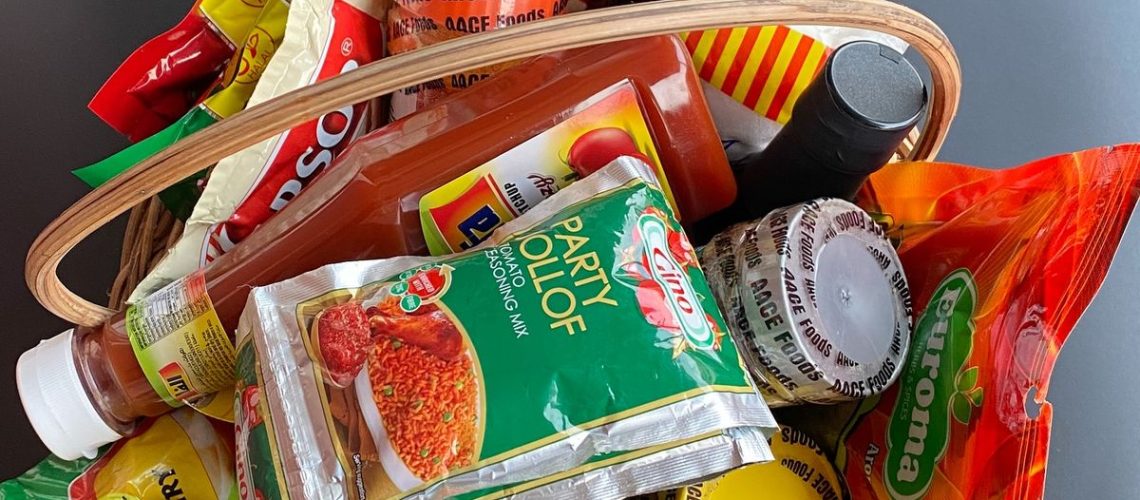
Stocking essential food items in bulk can help Nigerian households reduce repeated market trips, plan meals and manage food expenses.
However, buying large quantities only makes sense when the household uses those items regularly and has suitable storage.
Food prices can change, and a bulk purchase does not always guarantee savings. You should compare unit prices, consider how quickly your family consumes each item and protect food from moisture, pests and spoilage.
Here are ten foodstuff items worth considering for a well-planned Nigerian kitchen.
1. Rice
Rice is a staple in many Nigerian homes. Families use it for jollof rice, fried rice, coconut rice, rice and stew, and several other meals.
Buying rice in a larger bag may reduce the cost per kilogram compared with repeated small purchases. Nevertheless, check the quality, grain type and price per kilogram before buying.
Store rice in a clean, dry, airtight container. Keep it away from damp floors and walls, and inspect it regularly for insects.
2. Beans
Beans provide plant protein and feature in meals such as beans porridge, moi moi and akara. They can also serve as a useful alternative when households want to vary their meals.
Before buying in bulk, inspect the beans for stones, insects and unusual odours. Dry beans should remain in airtight containers in a cool, dry location.
If you buy several varieties, label each container to make meal planning easier.
3. Garri
Garri is a familiar household staple that can be prepared as eba or soaked and served with groundnuts, milk or other accompaniments.
Its relatively long shelf life makes it suitable for bulk storage when properly dried and protected. However, moisture can encourage mould, so keep garri in sealed containers and use a clean, dry scoop.
4. Yam
Yam supports several meals, including boiled yam, yam porridge, pounded yam and fried yam. Households that cook it frequently may benefit from buying several tubers at once.
However, yam requires more careful storage than dry grains. Choose firm tubers without obvious soft spots, cuts or rot. Store them in a cool, dry, well-ventilated place and inspect them regularly.
Avoid buying more than your household can use before the tubers deteriorate.
5. Palm oil
Palm oil is important in many Nigerian soups and stews, including egusi, ogbono, vegetable soup and native dishes.
Compare colour, aroma, source and packaging before purchasing. Buy from a supplier you trust and check that the container is clean and properly sealed.
Store palm oil away from direct sunlight and excessive heat. Do not mix fresh oil with old or contaminated oil.
6. Vegetable oil
Vegetable oil is used for frying, cooking and preparing several everyday meals. Households that cook regularly may find it convenient to purchase larger bottles or containers.
Compare the price per litre rather than judging value by the size of the container. Check the seal, expiry date and product label.
Keep oil tightly closed and away from heat. Repeatedly heating and reusing frying oil can reduce its quality, so avoid keeping used oil indefinitely.
7. Onions
Onions add flavour to rice, soups, stews and sauces. They are used so frequently in many homes that buying them in a larger quantity can reduce repeated market visits.
Select firm onions with dry outer skins. Avoid bulbs with soft areas, mould or strong signs of sprouting.
Store them in a dry, ventilated basket rather than a damp plastic bag. Keep them away from potatoes where practical, as the storage conditions that suit one may not suit the other.
8. Dried crayfish
Dried crayfish adds flavour to soups, sauces and vegetable dishes. Since a little can go a long way, households may find bulk purchasing convenient.
Buy from a supplier who handles and stores the product hygienically. Check for excessive moisture, foreign materials and unusual smells.
Store dried crayfish in an airtight container. Depending on its condition and how quickly you use it, refrigeration or freezing can help preserve quality.
9. Seasoning and dried spices
Seasoning cubes, dried pepper, curry powder, thyme and other spices are common kitchen essentials. Buying frequently used products in larger packs can reduce the number of shopping trips.
However, spices lose aroma and quality when exposed to heat, light and moisture. Keep them in their original sealed packaging or clean airtight containers.
Check expiry dates and avoid purchasing more than you can use within a reasonable period.
10. Flour
Flour is useful for snacks, pancakes, pastries, thickening and other household recipes. Families that bake or prepare snacks regularly may benefit from buying larger packs.
Inspect the packaging for damage and check the expiry date. Once opened, transfer flour to a clean, dry, airtight container and keep it away from pests.
If you use different types of flour, label them clearly to avoid mixing them up.
How to buy foodstuff in bulk without wasting money
Buying in bulk should begin with a household consumption plan. Look at the meals your family prepares most often and identify the ingredients you use every week.
Then compare the cost of smaller packs with the cost of larger quantities. Calculate the price per kilogram or litre so you can see whether the larger purchase actually offers better value.
Before shopping, consider these practical steps:
- Prepare a list of the items your household uses regularly.
- Check existing pantry stock before purchasing more.
- Compare prices from at least two reliable sellers.
- Inspect grains, oils and other products before payment.
- Buy quantities that match your storage capacity.
- Separate food into suitable containers after purchase.
- Label containers with purchase dates where useful.
- Use older stock before opening newer supplies.
- Check stored food regularly for moisture, pests and spoilage.
When does group food buying make sense?
Some households may not have enough storage space or cash to purchase every item in large quantities. In that situation, group buying can offer another option.
Friends, neighbours, families and associations can combine their purchasing power to buy selected food items in bulk. They then divide the goods into agreed portions.
However, participants should confirm the price, quantity, quality, payment arrangements and distribution method before contributing money.
Easer Lifestyle’s Bulk Food Sharing service offers a starting point for households and groups interested in organised food purchasing.
Plan your kitchen stock around what you actually eat
A well-stocked kitchen is not necessarily one filled with the largest possible bags of food. It is a kitchen where essential ingredients are available, properly stored and used before they spoil.
Start with rice, beans, garri, cooking oils and other items your household consumes regularly. Then adjust your quantities according to your budget, family size and storage space.
If you want to explore organised bulk food purchases, visit Easer Lifestyle’s Bulk Food Sharing service.
Frequently Asked Questions
1. Which foodstuff items are best to buy in bulk in Nigeria?
Rice, beans, garri, palm oil, vegetable oil, onions, dried crayfish, flour and regularly used spices are common options. The best choices depend on your household’s eating habits and storage capacity.
2. Does buying foodstuff in bulk always save money?
No. Compare the price per kilogram or litre and include transport, storage and possible spoilage costs. A large pack is not automatically cheaper.
3. How should I store rice and beans?
Keep them in clean, dry, airtight containers in a cool location. Inspect them regularly for insects and moisture.
4. Can I buy perishable food items in bulk?
Yes, if you have suitable storage and can use the items before they spoil. Fresh vegetables, meat and other perishables need more careful temperature control.
5. What is bulk food sharing?
Bulk food sharing is a group-buying arrangement in which several people contribute towards purchasing food items in larger quantities and divide the goods into agreed portions.
