

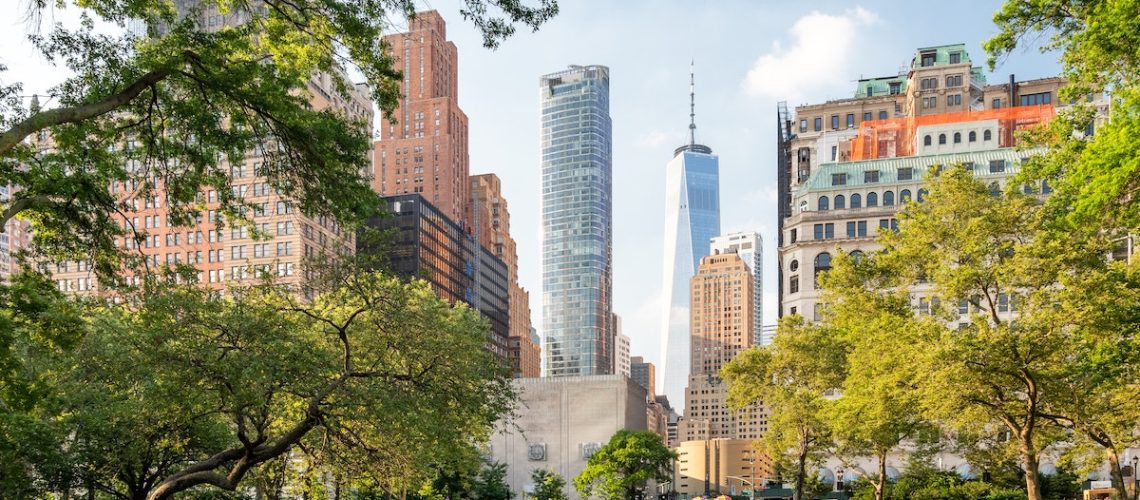
As African cities continue to expand, they face increasing challenges such as air pollution, traffic congestion, rising temperatures, limited recreational areas, and declining biodiversity.
While modern infrastructure remains essential for economic growth, urban planners are recognizing that development should not come at the expense of nature. Green spaces are proving to be one of the most effective ways to create healthier, more resilient, and more enjoyable cities.
From public parks and botanical gardens to tree-lined streets and rooftop gardens, green spaces contribute significantly to the quality of urban living. They provide environmental, social, economic, and health benefits that improve everyday life for millions of people.
This article explores why green spaces matter, how they improve city life, and what African cities can do to preserve and expand them.
What Are Green Spaces?
Green spaces are areas within cities that are covered by vegetation and accessible for recreation, conservation, or environmental protection. They include:
- Public parks
- Community gardens
- Urban forests
- Nature reserves
- Green belts
- Playgrounds
- Tree-lined streets
- Riverfront parks
- Botanical gardens
- Rooftop and vertical gardens
Some are large public attractions, while others are small neighborhood spaces that provide daily access to nature.
Why Green Spaces Matter
Cities often replace natural landscapes with roads, buildings, parking lots, and concrete surfaces. As a result, urban areas become hotter, noisier, and less healthy. Green spaces help restore balance by bringing nature back into urban environments. They offer residents opportunities to relax, exercise, connect with others, and enjoy cleaner surroundings.
Moreover, cities with abundant green spaces often attract more visitors, businesses, and investments because they provide a higher quality of life.
Improving Physical Health
One of the greatest benefits of green spaces is their positive impact on physical health.
Parks encourage people to:
- Walk regularly
- Jog and cycle
- Play sports
- Exercise outdoors
- Spend less time indoors
Regular physical activity reduces the risk of obesity, diabetes, heart disease, and high blood pressure. Children also benefit by having safe places to play, develop motor skills, and stay active.
Supporting Better Mental Health
Busy city life can be stressful. Long working hours, traffic, noise, and crowded neighborhoods often contribute to anxiety and fatigue.
Green spaces offer a peaceful environment where people can relax and recharge.
Research consistently shows that spending time in nature can:
- Reduce stress
- Lower anxiety
- Improve mood
- Increase concentration
- Support emotional well-being
- Reduce symptoms of depression
Even short visits to parks can improve mental health and boost productivity.
Reducing Urban Heat
Concrete roads and buildings absorb large amounts of heat during the day, creating what experts call the urban heat island effect.
Trees and vegetation naturally cool the environment by providing shade and releasing moisture into the air.
Benefits include:
- Lower daytime temperatures
- Reduced need for air conditioning
- Improved outdoor comfort
- Lower energy consumption
This cooling effect becomes increasingly important as climate change contributes to more frequent heat waves.
Improving Air Quality
Air pollution remains a major challenge in many growing African cities.
Trees and plants help improve air quality by:
- Absorbing carbon dioxide
- Filtering dust particles
- Trapping pollutants
- Producing oxygen
Although green spaces cannot eliminate pollution entirely, they significantly contribute to cleaner urban air.
Managing Flooding
Many cities experience flooding during heavy rainfall because paved surfaces prevent water from soaking into the ground.
Green spaces help by:
- Absorbing rainwater
- Reducing surface runoff
- Recharging groundwater
- Protecting rivers from pollution
Urban wetlands and green corridors also reduce the severity of floods.
Encouraging Community Interaction
Parks serve as gathering places where people from different backgrounds can meet and interact.
They host:
- Family picnics
- Cultural festivals
- Outdoor concerts
- Community meetings
- Exercise groups
- Children’s activities
These shared spaces strengthen neighborhoods and encourage social inclusion.
Supporting Wildlife
Urban development often destroys natural habitats for birds, insects, and other wildlife.
Green spaces create safe habitats that support:
- Birds
- Butterflies
- Bees
- Small mammals
- Native plants
Healthy biodiversity contributes to stronger ecosystems and supports pollination, which benefits urban agriculture and gardens.
Boosting Local Economies
Well-maintained green spaces also provide economic benefits.
They can:
- Increase nearby property values
- Attract tourists
- Create jobs in landscaping and maintenance
- Encourage outdoor businesses
- Improve neighborhood attractiveness
Businesses located near parks often experience increased customer traffic because people spend more time in pleasant outdoor environments.
Improving Children’s Development
Children need opportunities to explore nature.
Green spaces help children:
- Build creativity
- Improve social skills
- Stay physically active
- Learn about the environment
- Reduce screen time
Natural play environments also improve problem-solving and curiosity.
Promoting Urban Agriculture
Many African cities are embracing community gardens and urban farming.
These green spaces help residents:
- Grow vegetables
- Produce fruits
- Improve household nutrition
- Earn additional income
- Strengthen food security
Urban agriculture also reduces transportation costs for fresh produce.
Green Spaces in African Cities
Several African cities have invested in expanding and protecting green areas.
Kigali, Rwanda
Kigali has gained recognition for its clean environment, tree-planting initiatives, and careful urban planning. Public green areas contribute to the city’s reputation as one of Africa’s cleanest capitals.
Nairobi, Kenya
Home to the famous Uhuru Park and the Karura Forest, Nairobi demonstrates how protected green areas can coexist with a busy metropolitan environment.
Cape Town, South Africa
The city features numerous public parks and nature reserves, while the iconic Table Mountain National Park provides residents and visitors with easy access to natural landscapes.
Lagos, Nigeria
As one of Africa’s largest cities, Lagos continues to develop recreational parks and waterfront projects. Spaces such as Johnson Jakande Tinubu Park and Freedom Park offer residents places to relax amid a densely populated urban environment.
Challenges Facing Urban Green Spaces
Despite their benefits, many cities struggle to protect green areas.
Common challenges include:
- Rapid urbanization
- Illegal land development
- Poor maintenance
- Limited funding
- Population growth
- Waste dumping
- Deforestation
Without proper planning, cities risk losing valuable natural spaces.
How Cities Can Expand Green Spaces
Urban governments and communities can work together by:
- Planting more trees along roads
- Creating neighborhood parks
- Protecting wetlands
- Preserving forests
- Encouraging rooftop gardens
- Supporting community gardening projects
- Including green infrastructure in city planning
- Maintaining existing parks regularly
- Promoting environmental education
Even small green spaces can make a significant difference when distributed throughout a city.
The Future of Green Cities in Africa
Africa is experiencing one of the fastest rates of urbanization in the world. As cities continue to grow, integrating nature into urban development will become increasingly important.
Green infrastructure is no longer viewed as a luxury. It is an essential investment that improves public health, strengthens climate resilience, supports local economies, and enhances overall quality of life.
Cities that prioritize parks, trees, and natural landscapes today will be better prepared to meet the environmental and social challenges of tomorrow.
Conclusion
Green spaces are far more than attractive additions to a city’s landscape. They provide cleaner air, cooler temperatures, healthier communities, stronger local economies, and better protection against climate-related risks. They also create places where people can exercise, socialize, and reconnect with nature.
As African cities continue to expand, preserving existing green areas and creating new ones should remain a key part of sustainable urban planning. By investing in parks, urban forests, community gardens, and tree-lined streets, cities can become healthier, more resilient, and more enjoyable places to live for generations to come.
