

Hidden Islands Around Africa: Discovering the Continent’s Best-Kept Secrets
When people think about African travel, iconic destinations like the Sahara Desert, Mount Kilimanjaro, the Serengeti, or Cape Town often come to mind. However, beyond the mainland lies another world waiting to be explored. Scattered across the Atlantic Ocean, Indian Ocean, Mediterranean Sea, and Red Sea are dozens of breathtaking islands that remain relatively unknown to international travelers.
These hidden islands offer pristine beaches, untouched forests, unique wildlife, rich cultural traditions, and peaceful environments far from crowded tourist hotspots. Whether you’re looking for adventure, relaxation, marine life, or authentic local experiences, Africa’s lesser-known islands provide unforgettable journeys.
In this article, we’ll explore some of Africa’s hidden island gems and discover why they deserve more attention.
Why Africa’s Hidden Islands Are Worth Visiting
Unlike many famous island destinations that attract millions of visitors every year, many African islands remain beautifully preserved. As a result, travelers can enjoy:
- Quiet beaches with fewer crowds
- Authentic local cultures
- Rich biodiversity
- Exceptional snorkeling and diving
- Affordable travel experiences
- Sustainable eco-tourism opportunities
Furthermore, these islands often combine spectacular scenery with fascinating histories shaped by African, Arab, European, and Asian influences.
1. Ibo Island, Mozambique
Historic Portuguese buildings, ancient forts, and narrow stone streets tell stories dating back centuries. Once an important trading center, the island now offers visitors peaceful beaches, crystal-clear waters, and friendly communities.
Popular activities include:
- Traditional dhow sailing
- Snorkeling among coral reefs
- Exploring colonial architecture
- Visiting local craft markets
- Birdwatching
Moreover, Ibo Island provides an authentic glimpse into coastal East African culture.
2. Île de Gorée, Senegal
In addition, the island’s peaceful atmosphere contrasts sharply with its difficult history, creating a meaningful travel experience.
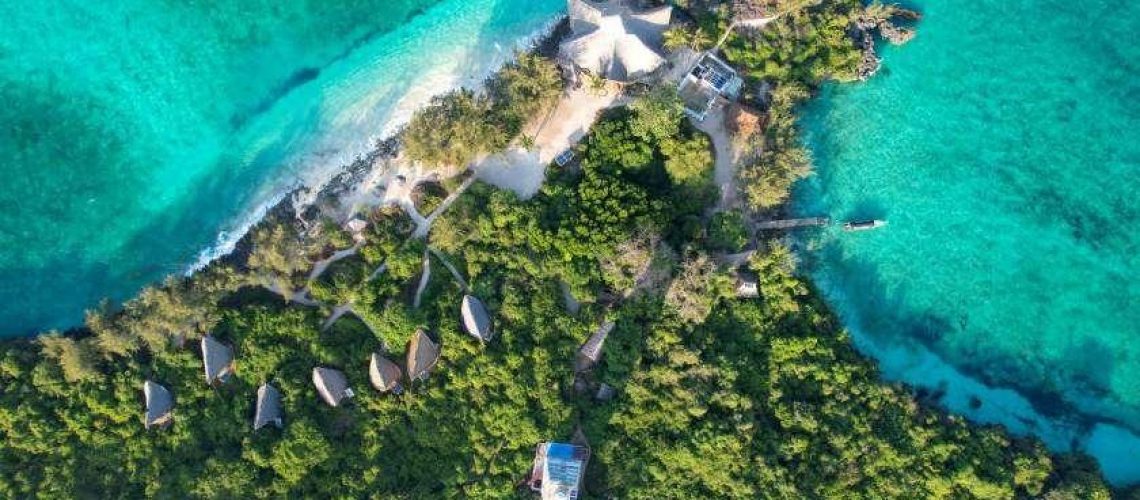
3. Chumbe Island, Tanzania
Highlights include:
- Guided reef walks
- Coral reef snorkeling
- Eco-lodges powered by renewable energy
- Forest trails
- Rare coconut crabs
Consequently, Chumbe Island has become a model for sustainable tourism across Africa.
4. Nosy Komba, Madagascar
Visitors can:
- Meet free-roaming lemurs
- Hike through tropical forests
- Visit local artisan workshops
- Snorkel around coral reefs
- Experience traditional Malagasy culture
Additionally, the island’s relaxed pace makes it ideal for travelers seeking tranquility.
5. Bijagós Archipelago, Guinea-Bissau
Visitors often enjoy:
- Wildlife safaris
- Turtle nesting observations
- Traditional island ceremonies
- Fishing excursions
- Mangrove exploration
Furthermore, local communities continue to preserve centuries-old customs that remain central to island life.
6. São Tomé Island
The island features:
- Volcanic peaks
- Dense rainforests
- Waterfalls
- Cocoa plantations
- Black-sand beaches
Its biodiversity rivals many larger tropical destinations while offering a peaceful atmosphere rarely found elsewhere.
Moreover, chocolate lovers can visit historic cocoa estates that continue producing world-class cocoa.
7. Mafia Island, Tanzania
The island is famous for:
- Whale shark encounters
- Coral gardens
- Diving adventures
- Traditional Swahili villages
- Marine conservation
Because tourism remains relatively small-scale, visitors often enjoy a more personal and authentic experience.
Wildlife You Can Encounter
Africa’s hidden islands are biodiversity hotspots.
Depending on your destination, you may encounter:
- Sea turtles
- Whale sharks
- Dolphins
- Dugongs
- Coral reef fish
- Lemurs
- Rare birds
- Flying foxes
- Giant coconut crabs
Many islands also serve as breeding grounds for endangered marine species, making conservation efforts especially important.
Rich Cultural Heritage
Beyond natural beauty, these islands showcase fascinating cultural diversity. Over centuries, African, Arab, Portuguese, French, British, Indian, and Asian influences blended with indigenous traditions to create unique languages, cuisines, architecture, music, and festivals.
Visitors often enjoy fresh seafood, coconut-based dishes, tropical fruits, handcrafted souvenirs, and vibrant local markets.
Moreover, many island communities continue practicing traditional fishing techniques that have been passed down through generations.
Best Time to Visit
The ideal travel season depends on the region.
Generally:
- East African islands: June to October offers cooler, drier weather.
- Indian Ocean islands: April to November is often ideal.
- West African islands: November to April tends to bring less rainfall.
However, travelers should always check local weather conditions before planning their trip.
Responsible Island Tourism
Many of Africa’s hidden islands have fragile ecosystems. Therefore, responsible travel helps preserve their beauty for future generations.
Consider these simple practices:
- Avoid leaving plastic waste.
- Respect marine life and coral reefs.
- Support locally owned businesses.
- Purchase authentic handmade crafts.
- Follow conservation guidelines.
- Choose eco-friendly accommodations whenever possible.
Small actions can make a significant difference in protecting these remarkable destinations.
The Future of Island Tourism in Africa
Interest in sustainable and experience-based travel continues to grow worldwide. Consequently, Africa’s hidden islands are gradually gaining recognition among travelers seeking unique destinations.
Governments, conservation organizations, and local communities are increasingly investing in eco-tourism, marine protection, and cultural preservation. If managed responsibly, these efforts can create jobs while safeguarding the islands’ natural and cultural heritage.
Final Thoughts
Africa’s hidden islands remind us that some of the world’s greatest travel experiences remain off the beaten path. From the historic streets of Ibo Island and Gorée to the coral reefs of Chumbe and the rainforests of São Tomé, each destination offers a unique blend of beauty, history, and culture.
Whether you’re an adventurer, nature enthusiast, history lover, or simply searching for a peaceful escape, these remarkable islands reveal another side of Africa, one defined by untouched landscapes, warm hospitality, and unforgettable discoveries.
As more travelers seek authentic experiences, Africa’s hidden islands stand ready to welcome those willing to venture beyond the familiar.
